
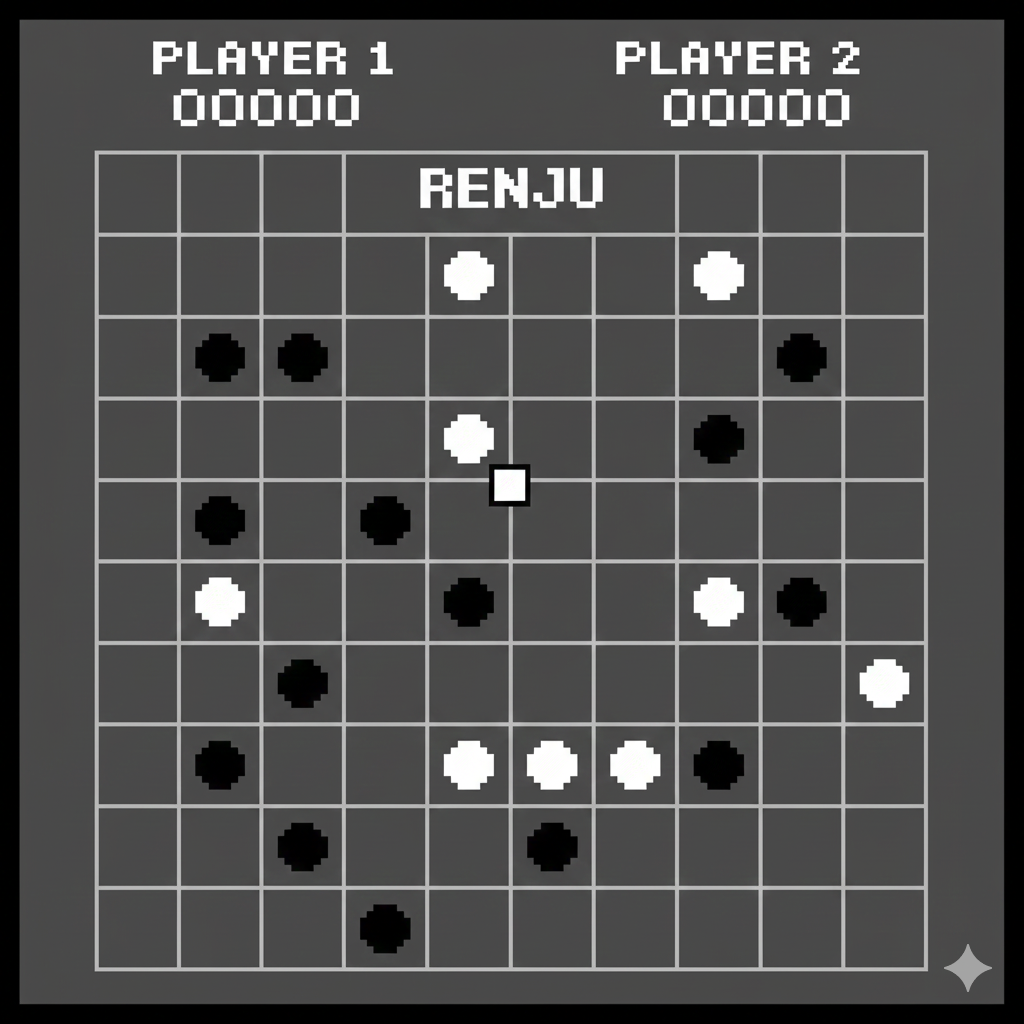
Introduction to Gomoku Narabe Renju
Gomoku Narabe Renju, often simply referred to as Renju, is a traditional board game that originated in Japan, with roots tracing back to the ancient Chinese games of Go and Weiqi. Renju is characterized by its simple rules yet offers rich strategic depth, making it a beloved pastime for both casual and competitive players. The game typically takes place on a 15×15 grid where two players alternate placing their pieces, either black or white, in an effort to create an unbroken line of five in a row. This singular objective belies the complexity involved in achieving it, as players must simultaneously defend against their opponent’s maneuvers.
The variations of Gomoku Narabe Renju can significantly impact gameplay and can include different rule sets and tournament formats. One of the most common alterations is the introduction of the “renju rules”, which include restrictions on the first player’s moves designed to balance the game. Such variations have contributed to the game’s standing in competitive circles, leading to the formation of international tournaments where players can showcase their tactical prowess.
In addition to its competitive aspects, Gomoku Narabe Renju has left an imprint on gaming culture as a precursor to modern strategy games. Its influence can be seen in various digital adaptations, where the blend of strategy and simplicity continues to captivate both novice players and seasoned strategists alike. The ease of accessibility, combined with profound strategic layers, renders Renju a timeless classic in the landscape of board games.
Historical Context: The Emergence of Nintendo Games in the 1980s
The 1980s marked a pivotal era in the gaming industry, characterized by significant technological advancements and the rise of home gaming consoles. During this decade, Nintendo emerged as a dominant force, revolutionizing how video games were developed, marketed, and played. Following the video game crash of 1983, which devastated many game developers and manufacturers, Nintendo offered a fresh approach to the gaming landscape by introducing high-quality games and innovative hardware.
The launch of the Nintendo Entertainment System (NES) in North America in 1985 was a game-changer. The NES not only revitalized the gaming market but also set a new standard for gameplay experience. It emphasized not just graphics and sound, but also engaging gameplay mechanics that appealed to a broader audience. This new focus created an environment conducive to the development of diverse genres, including strategy games like Gomoku Narabe Renju.
Gomoku Narabe Renju, a strategic board game that can be traced back to ancient origins, found its way onto the NES during this flourishing period. The combination of accessible hardware and Nintendo’s commitment to quality allowed for games that required both critical thinking and user engagement. In addition to engaging gameplay, advancements in chip technology permitted more intricate and responsive game designs. This fostered an atmosphere of creativity among developers, enabling them to push the boundaries of what video games could achieve.
The broader market landscape in the 1980s also saw an increasing number of players recognizing video games as a valid form of entertainment. As gaming moved from arcades into homes, family-friendly titles began to dominate the market. Gomoku Narabe Renju found itself positioned uniquely within this context, as it offered an appealing mix of classic gameplay and modern convenience, catering to both seasoned players and newcomers alike.
Gameplay Mechanics of Gomoku Narabe Renju
Gomoku Narabe Renju, a strategic board game, is played on a 15×15 grid, where players take turns placing their pieces—typically represented by black and white stones. The objective of the game is to line up five consecutive stones horizontally, vertically, or diagonally. This simple, yet compelling premise is what captivates players, making the gameplay both easy to grasp and challenging to master.
The game begins with an empty board, and players alternate their turns, with one player going first. The placement of the first stone is crucial, as it sets the tone for the rest of the match. Ensuring a robust strategy early on can create advantageous positions, forcing the opponent to react defensively. Players must adeptly utilize both offensive strategies, aimed at creating a line of five stones, and defensive tactics, which involve blocking their opponent’s attempts to do the same.
In terms of rules, Gomoku Narabe Renju has several key considerations. While the basic rules allow for an unrestricted placement of stones, competitive play introduces restrictions, such as the “renju rules.” These rules prevent the first player from winning easily by limiting certain wins and encouraging a balanced game. Players must think several moves ahead, predicting their opponent’s strategies while advancing their own aims. This adds a layer of complexity and strategy, elevating the game from mere placement to a tactical duel.
The engagement in Gomoku Narabe Renju arises from this strategic depth. Each match can present entirely different scenarios and requires players to adapt their strategies based on their opponent’s moves. The balance between offense and defense, along with the tactical planning involved, makes Gomoku Narabe Renju not just a test of wits, but also an enjoyable experience full of suspense and excitement.
The Cultural Impact of Gomoku Narabe Renju
Gomoku Narabe Renju, initially released in 1983 by Nintendo, has made significant strides in the realm of board games and cultural gaming practices worldwide. This two-player strategy game has not only captured the hearts of enthusiasts but has also played a critical role in shaping the landscape of social gaming and competitive events. Its simplicity and depth of strategy have contributed to its lasting appeal, making it a staple in households, gaming clubs, and competitive venues across various nations.
In Japan, Gomoku Narabe Renju is more than just a game; it is intertwined with the nation’s culture, often seen in social interactions and gatherings. The game encapsulates elements of traditional strategic thought, much like Go or Shogi, enhancing its status among intellectual games. Its influence extends beyond mere entertainment, fostering community bonds and engagement through tournaments and casual play. Renju competitions in Japan attract skilled players, resulting in a dedicated following that appreciates the nuances of game strategy.
Internationally, the reception of Gomoku Narabe Renju varies by region, yet the foundational elements of the game resonate universally. In countries such as South Korea and various parts of Europe, the game has been successfully integrated into the gaming culture, promoting strategic thinking and concentration among younger generations. Online platforms have further amplified its reach, allowing specialists and amateurs alike to participate in global tournaments. Furthermore, the game has contributed to the popularization of strategic board games, encouraging the emergence of various adaptations that maintain the core gameplay mechanics while introducing unique twists.
Ultimately, Gomoku Narabe Renju serves not only as a source of entertainment but also as a cultural artifact, representing a blend of intellectual rigor and community engagement that transcends borders and generations. Its capacity to unify people through strategic play remains a testament to its enduring legacy in the gaming world.
Comparative Analysis: Gomoku Narabe Renju vs. Other Strategy Games
Gomoku Narabe Renju, often simply referred to as Gomoku, has carved a niche for itself in the pantheon of strategy games, fostering a gameplay experience that contrasts sharply with both modern and classic titles. At its core, Gomoku is a straightforward, two-player game where the objective is to align five pieces in a row on a 15×15 board. This simplicity belies a depth of strategy that can be seen in comparison to games like Chess, Checkers, and even modern digital offerings such as StarCraft and Civilization.
In terms of gameplay mechanics, Gomoku stands alone with its direct focus on alignment victory conditions. Unlike Chess, where multiple pieces with varying movements introduce layers of complexity, Gomoku’s rules are easily graspable, making it accessible to a broader audience. However, as players become proficient, the strategic nuances become evident, creating an engaging environment that can rival the intellectual challenges posed by Chess. Similarly, while Checkers offers an uncomplicated setup, it lacks the infinite possibilities and depth found within the simple lines of Gomoku gameplay.
Modern strategy games introduce a myriad of mechanics, resources, and strategic depth alongside complex narratives, which—while enriching—can overwhelm new players. Titles like Civilization emphasize broader strategic planning over individual tactical decisions typical in Gomoku. The tension and immediacy of Gomoku, where each move can turn the tide of play, provides a unique thrill that some find lacking in extended gameplay sessions of modern strategy games.
Ultimately, Gomoku Narabe Renju remains relevant as it embodies both simplicity and strategic depth, creating an engaging experience that resonates with players across generations. Its ability to foster critical thinking and foresight in a concise game structure allows it to maintain a prominent position in the realm of strategy games, even amidst evolving gaming landscapes.
Modern Developments: The Digital Adaptation of Gomoku Narabe Renju
The game of Gomoku Narabe Renju, a classic board game with a rich history, has undergone significant transformation in the digital age. Today, players can enjoy various adaptations across numerous platforms, reflecting advances in technology and game design. The digital era has introduced gaming enthusiasts to mobile applications, online platforms, and enhanced user interfaces that facilitate gameplay and foster community engagement.
Mobile adaptations have become particularly popular, allowing players to engage with Gomoku Narabe Renju anytime and anywhere. Numerous apps are now available on both iOS and Android devices, offering intuitive touch controls that make it easy for users to place their pieces on the board. These mobile versions often integrate features like player matchmaking, which allows individuals to compete against others online. Additionally, many apps include tutorials and practice modes, making them accessible to newcomers while also challenging experienced players.
Online platforms have also embraced Gomoku Narabe Renju, creating vibrant communities of players who seek competition and social interaction. Websites dedicated to board games often host digital versions of Gomoku, allowing players to join matches or tournaments. These platforms typically feature chat functionalities, providing players the opportunity to communicate and strategize while playing, thus enhancing the communal experience of the game. Furthermore, these websites often offer rankings and leaderboards, adding a layer of competitiveness that appeals to many players.
Improvements in game design have further contributed to the digital success of Gomoku Narabe Renju. Modern interfaces are often sleek and user-friendly, which not only enhances the aesthetic appeal of the game but also simplifies navigation. This evolution in design helps maintain the game’s strategic depth while making it more inviting for new players.
As Gomoku Narabe Renju continues to adapt to the demands of modern gaming, its digital evolution has opened new avenues for enjoyment, ensuring that this classic game remains relevant in contemporary culture.
Tips and Strategies for Winning at Gomoku Narabe Renju
Winning at Gomoku Narabe Renju requires a combination of strategic thinking, foresight, and adaptability. One of the most effective strategies is to focus on creating multiple threats simultaneously. This can overwhelm your opponent and make it challenging for them to counter every potential win condition. For beginners, starting with the center of the board is advisable, as controlling this area often provides more opportunities for advancing towards a victory.
Another essential technique is the use of forks—situations where you create two or more winning opportunities at the same time. This can place significant pressure on your opponent, forcing them to defend against multiple threats. Additionally, understanding the formations that lead to five in a row is critical; practicing these formations can improve your ability to recognize winning patterns quickly during gameplay.
It is also imperative to analyze and learn from common mistakes. Many players, especially novices, tend to focus solely on their winning path rather than blocking their opponent’s potential winning moves. This oversight can lead to quick defeats. Make it a habit to always check for your opponent’s opportunities to win before confirming your own moves.
Advanced players should explore incorporating defensive strategies into their gameplay. This means thinking several moves ahead—considering not only your next move, but also the potential outcomes of your opponent’s subsequent moves. Cultivating this kind of foresight allows you to navigate complex board states more effectively.
In summary, mastering Gomoku Narabe Renju is not just about finding the next move to win; it involves evolving your game through practice, strategic thinking, and learning from both wins and losses. By employing these tips and strategies, any player can significantly enhance their gameplay and increase their chances of success.
Community and Tournaments: Engaging with Other Players
The enduring appeal of Gomoku Narabe Renju, a classic title from 1983, extends beyond its engaging gameplay to its vibrant community. Players around the world have come together in various forums and online platforms to share strategies, discuss game mechanics, and seek advice. This camaraderie not only enriches the player experience but also fosters a sense of belonging among enthusiasts of the game.
Online forums, such as Reddit and dedicated gaming websites, provide spaces for players to engage in discussions related to Gomoku Narabe Renju. These platforms allow individuals to connect over a shared love for the game while exchanging tips and strategies that can enhance their playing experience. Additionally, social media groups on platforms like Facebook offer another avenue for players to share their gameplay experiences, organize meet-ups, and even host tournaments.
Competitive play is an integral part of the Gomoku Narabe Renju community, with numerous tournaments being organized at local and international levels. These events not only provide an opportunity for players to showcase their skills but also to meet fellow enthusiasts. Interested players can find information about upcoming tournaments through online communities, official gaming websites, and social media. Most tournaments welcome players of all skill levels, ensuring that everyone has the opportunity to participate and learn from the experience.
For those wanting to dive deeper into the competitive side of Gomoku Narabe Renju, joining clubs or local gaming groups can be highly beneficial. These communities often hold regular meet-ups, friendly matches, and training sessions aimed at improving player skills. Being part of such a network enhances one’s understanding of the game, while also benefiting from the collective knowledge of experienced players.
The Enduring Legacy of Gomoku Narabe Renju
The 1983 release of Gomoku Narabe Renju by Nintendo holds a significant place in the annals of gaming history. This strategic board game, often regarded as a precursor to various digital adaptations, introduced players to the intricate balance between offense and defense. It provided a platform for social interaction and critical thinking, elements that resonate in gaming today.
Over the years, Gomoku Narabe Renju has maintained its relevance by adapting to new formats while preserving its core mechanics. Players are drawn to the game for its simplicity yet profound depth, making it suitable for both casual gamers and serious strategists alike. The core objective of connecting five pieces in a row may seem straightforward, but the complexity that unfolds in each match is what captivates players around the world.
As digital gaming evolved, numerous online platforms now host adaptations of Gomoku Narabe Renju, making the game accessible to a global audience. The game facilitates essential cognitive skills such as problem-solving and foresight, appealing to educators who seek engagement tools that are both fun and educational. Furthermore, the game’s ability to foster community and competition continues to resonate, drawing in new generations of players who enjoy challenges against friends and players worldwide.
In a contemporary context, Gomoku Narabe Renju stands as a testament to the timeless nature of classic games. Despite the rapid advancement of technology in the gaming sector, the fundamental principles of strategy and player interaction that Gomoku Narabe Renju embodies remain enduringly relevant. As a result, it not only reflects the past but also shapes the future of competitive gaming, ensuring its legacy endures for years to come.