
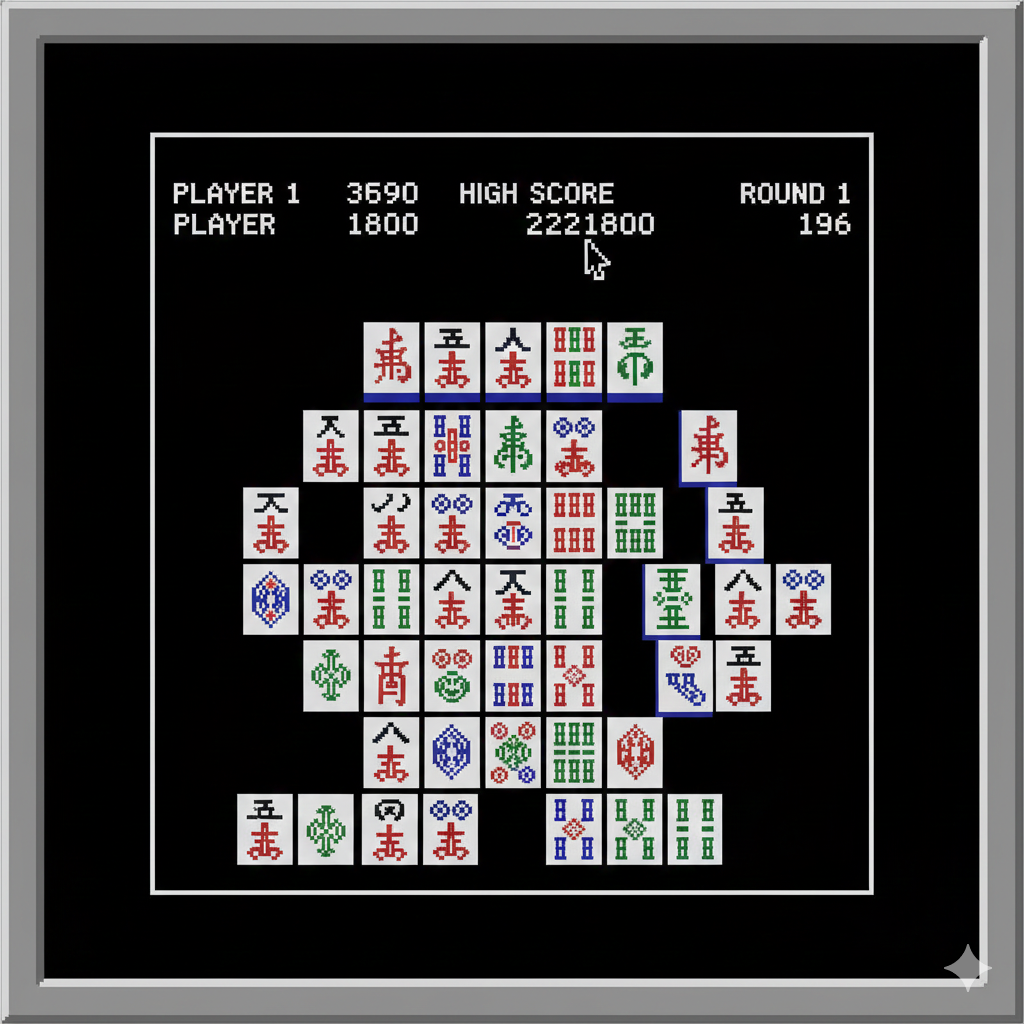
Introduction to Mahjong and its Cultural Significance
Mahjong is a traditional tile-based game that has captivated players for centuries, with roots tracing back to 19th century China. Over the years, this game has not only gained popularity but has also become a significant part of East Asian culture, symbolizing community, strategy, and intellect. Mahjong is typically played by four players, using a set of 144 tiles, which are marked with different characters and symbols, representing various elements of Chinese culture.
The historical context of Mahjong is rich, incorporating elements of chance and skill. Originally believed to have been invented by Confucius, the game underwent various transformations, evolving from a simple pastime to a complex social activity. It has eventually accepted into various forms including modern board games and, notably, video games. This transition highlights Mahjong’s adaptability and its capacity to thrive across generations.
In East Asia, particularly in countries like China, Japan, Korea, and Vietnam, Mahjong is more than just a game; it holds cultural significance that often spans family gatherings and festivals. It serves as a social glue, bringing individuals together to share not only gameplay but also camaraderie and conversation. Special tournaments are organized, and the game remains a point of pride within communities, often accompanied by traditional meals and celebrations.
As technology advanced, Mahjong embraced digital formats, which allowed the game to cross borders and reach a global audience. This adaptation includes various online platforms and mobile applications, making the game accessible to everyone, regardless of geographical boundaries. The 1983 Nintendo version is a pertinent example, introducing Mahjong to console gaming and solidifying its place in contemporary popular culture.
Overview of the 1983 Nintendo Mahjong Game
Released in 1983, the Nintendo Mahjong game marked a significant entry into the gaming world for the Nintendo Entertainment System (NES). This title was one of the earlier attempts by Nintendo to adapt traditional games into a digital format, showcasing the company’s innovative approach during the nascent stages of the home video game market. Developed in-house by Nintendo, the game was tailored to cater to Mahjong enthusiasts while also trying to appeal to the broader audience of video game players who were increasingly seeking new forms of entertainment.
The gameplay mechanics were designed to reflect the traditional rules of Mahjong, a game deeply rooted in Chinese culture, which involves strategy, skill, and a bit of luck. Players engage in matches where they must improve their hand by drawing and discarding tiles in an effort to create specific combinations. The NES version managed to translate these tactile, physical aspects of Mahjong into a digital interface, enabling players to enjoy the game in a new and exciting way. The use of simple graphics and straightforward controls made it accessible to newcomers while still challenging for seasoned players.
This title contributed to the expansion of the NES library, demonstrating Nintendo’s commitment to offering a diverse selection of gaming experiences. As the first Mahjong game on the NES, it quickly became popular, garnering attention from both fans of the classic board game and the growing community of home console gamers. The 1983 Nintendo Mahjong game not only laid the groundwork for future adaptations but also highlighted the potential for video games to transform traditional pastimes into engaging digital experiences, establishing its relevance within the broader context of the gaming industry.
Game Mechanics and Features
The 1983 Nintendo Mahjong game encapsulates the traditional game of Mahjong while introducing unique mechanics that align with its digital format. At its core, Mahjong consists of a set of 144 tiles, categorized into three distinct suits: characters, bamboos, and dots, along with honor tiles, which include winds and dragons. In this version, players are encouraged to familiarize themselves with the various tile types to optimize gameplay strategies.
The primary objective is to form complete sets, whether that be through ‘Pongs’ (three of a kind) or ‘Chows’ (a straight sequence of three tiles). The game can accommodate up to four players, promoting social interaction and competitive spirit. Each game begins with a building phase where players draw tiles to build their hand. The game adopts a turn-based structure, allowing for strategic tile discarding and picking, reflecting elements of anticipation and planning.
Scoring is a vital component of the game mechanics. Players score points based on the rarity and composition of their hand, along with any special recognitions such as ‘Mahjong’ when a player forms a complete hand. Additionally, scoring can be influenced by the number of winning tiles, bonuses from discarding opponents’ tiles, and achieving specific hands as predetermined by the rules of play.
What sets the 1983 Nintendo Mahjong apart from traditional iterations is its user-friendly interface, featuring animated graphics and clear visual indicators. The digital format also streamlined gameplay, allowing for faster-paced rounds. Special sound effects and background music further enhance the immersive experience, captivating players beyond the table. These features make Nintendo’s rendition an accessible and engaging introduction to a venerable classic, ensuring its appeal spans generations.
Impact on the Video Game Industry
The release of the 1983 Mahjong game by Nintendo marked a significant turning point in the video game industry, especially in how Asian games were perceived and integrated into Western markets. At a time when the gaming landscape was predominantly characterized by simplistic platformers and arcade-style games, Nintendo’s Mahjong provided players with a sophisticated and culturally rich gaming experience. This unique offering brought attention not only to Mahjong itself but also to the potential of expanding gaming genres.
The influence of the 1983 Mahjong game extended beyond its immediate player base. It enriched the diversity of game offerings during an era when the industry was on the cusp of massive growth. The introduction of Mahjong inspired a wave of similar games, demonstrating the viability of complex strategic games in digital formats. Following Nintendo’s pioneering effort, other developers began creating Mahjong-based titles, often incorporating various elements aimed at enhancing player engagement through intricate mechanics and captivating storylines.
Furthermore, the success of Nintendo’s Mahjong played a pivotal role in popularizing Asian-inspired games among Western audiences. It established a template for how these culturally rich games could be adapted and presented in a format familiar to Western players. As a result, developers began exploring other traditional Asian games such as Go and Shogi, enriching the gaming experience with diverse cultural narratives. The 1983 Mahjong game, therefore, not only broadened the scope of gaming genres but also inaugurated a new appreciation for games derived from Asian traditions, ultimately leading to increased globalization in the video game industry.
Reception and Critique of the Game
Upon its release in 1983, Nintendo’s Mahjong game garnered a mixed yet intriguing response from both critics and players. As one of the earliest digital adaptations of the classic tile-based game, it was praised for its adherence to the traditional rules and aesthetics of Mahjong. The game was recognized for bringing the cultural essence of this popular pastime into the living rooms of gamers, especially in Japan, where Mahjong has a long-standing history.
Critics noted the game’s simplicity and accessibility as major strengths. The ability to play against computer opponents made it accessible to players unacquainted with the intricate dynamics of Mahjong. Early reviews highlighted its clear graphics and straightforward controls, allowing novices to quickly grasp the gameplay mechanics. Enthusiasts appreciated the strategic depth it offered, remarking that it captured the essence of traditional gameplay, albeit in a digital format.
Player testimonials from the time reveal a generally favorable view, particularly among those looking for a solo experience. Many players celebrated the option to partake in Mahjong without needing to find a group, a significant convenience that appealed to both casual and dedicated fans. However, some critiques emerged regarding the limited replayability of the game. Because the game relied on fixed logic algorithms for its AI opponents, seasoned players found less challenge as they mastered the strategies.
In later years, the legacy of Nintendo’s Mahjong game has shown resilience in the gaming community. It laid the groundwork for future adaptations and influenced how digital Mahjong is perceived today. Its role in shaping early digital gaming experiences cannot be overlooked, and its recognition in gaming history remains relevant. Overall, while initially met with mixed critiques, the game has achieved a respectable place in the canon of Nintendo titles.
Comparison with Other Mahjong Games
The 1983 Nintendo Mahjong game, known for its blend of traditional gameplay mechanics and user-friendly interface, presents a fascinating juxtaposition when compared to other Mahjong versions released around the same era. One notable title is the 1986 “Mahjong Club” on the Famicom Disk System, which also aimed to deliver an engaging Mahjong experience but with advancements in graphics and sound capabilities. This game enhanced player experience by introducing various game modes and multiplayer options, which the Nintendo Mahjong struggled to offer.
In terms of gameplay, while the Nintendo version maintained the essence of the classic tile-matching game, others like “Majhongg” on the Sega Master System took a more relaxed and casual approach, prioritizing accessibility for newcomers to the genre. The streamlined mechanics allowed for a different type of player engagement, contrasting with the slightly more rigid structure found in the Nintendo title. Furthermore, the competitive scene surrounding these games was also influenced by their gameplay design; the simpler mechanics of some alternatives created a more approachable platform for mass appeal.
Graphically, the Nintendo Mahjong game utilized simple, pixelated art typical of early 8-bit games, focusing on clarity and legibility over elaborate visuals. This approach set it apart from games like “Shanghai” that boasted more intricate graphics, aiming to immerse players in an aesthetic experience. The overall player experience in the Nintendo Mahjong game was largely defined by its straightforward interface, whereas competitors slowly began to embrace complexity in design and gameplay innovation. Thus, examining these differences reveals how the 1983 Nintendo Mahjong game carved its niche, balancing traditional gameplay elements with the technological limitations of its time.
Legacy and Influence on Pop Culture
The 1983 Nintendo Mahjong game holds a significant place in both gaming history and pop culture. As one of the early titles developed for the Nintendo Entertainment System (NES), it played a pivotal role in introducing the game of Mahjong to a broader audience. Mahjong, a tile-based game that originates from China, often faced challenges in gaining recognition outside of its traditional circles. However, through this Nintendo adaptation, the game was propelled into popular culture, opening doors for greater exploration and appreciation.
Various media have since referenced the Nintendo Mahjong game, underscoring its lasting impact. For instance, appearances in television shows and films demonstrate how the game has become emblematic of a nostalgic gaming era. Popular animated series often showcase characters engaging in Mahjong, allowing viewers to connect with the gameplay without needing substantial prior knowledge. This casual depiction has contributed to a general curiosity about Mahjong, further integrating the game into the cultural fabric.
Furthermore, the enduring fan communities surrounding the original Nintendo Mahjong game serve as a testament to its legacy. Online forums, social media groups, and dedicated websites foster conversations among enthusiasts, allowing for the exchange of strategies, gameplay experiences, and nostalgic memories. These communities not only celebrate the game but also advocate for the preservation of its history in both the realms of gaming and cultural significance.
Through its innovative representation in the 1983 Nintendo iteration, Mahjong experienced a transformation in the perception within the gaming world. This influence can be observed in subsequent video game adaptations that incorporate Mahjong elements, sometimes blending them with modern gameplay mechanics. As a result, the 1983 Nintendo Mahjong game remains a landmark title in demonstrating how video games can transcend cultural boundaries, paving the way for future generations to engage with classic games in diverse formats.
Modern Adaptations and Reinventions
Since its original release in 1983, Mahjong has undergone significant transformations, evolving to align with contemporary gaming preferences and technological advancements. The resurgence of interest in this classic game has led to its adaptation across various platforms, including video games and mobile applications. These modern iterations aim not only to retain the core mechanics of Mahjong but also to enhance the user experience through innovative features and graphical enhancements.
Current video games inspired by the 1983 version have incorporated advanced graphics and interactive elements that engage the player in new ways. Titles such as “Mahjong Solitaire” offer both single-player experiences and competitive modes, allowing players to enjoy the game with friends or against AI opponents. Furthermore, developers are increasingly integrating online multiplayer options, enabling players from around the world to connect and compete in real-time, which adds a layer of excitement and community to the classic game.
Mobile apps have also played a pivotal role in the modern adaptation of Mahjong, capitalizing on the widespread use of smartphones and tablets. Many of these applications feature intuitive touch controls and customizable settings, allowing players to tailor their game experience. Variants such as “Mahjong Journey” and “Mahjong Titans” provide engaging storylines and challenges to captivate both new players and seasoned veterans. This accessibility has broadened the audience for Mahjong, reaching individuals who might not have been exposed to it through traditional means.
Technological advancements have fundamentally altered the way Mahjong is played, integrating features such as augmented reality (AR) and virtual reality (VR) to deliver immersive experiences. These technologies can create a realistic environment where players feel as though they are physically present in the game, thus reviving the social aspects of Mahjong that may have diminished during the digital transition. As technology continues to evolve, it is likely that Mahjong will see even more creative adaptations that honor its rich heritage while appealing to modern gaming sensibilities.
The Enduring Appeal of Mahjong
Mahjong, with its rich history and multifaceted gameplay, has stood the test of time, captivating players around the world. Originating in China in the late 19th century, this tile-based game has transformed into an intricate blend of strategy, skill, and social interaction. Its journey from traditional roots to a popular digital format is a testament to its adaptability and enduring charm.
The physical game of Mahjong invites players to engage in face-to-face interactions, fostering camaraderie and competition. This communal aspect of the game is integral, often bringing families and friends together for engaging sessions that can last for hours. The tactile experience of handling the tiles, along with the traditional rituals surrounding the game, reinforces its status as a cultural artifact, connecting players to a shared heritage.
Conversely, the advent of video game adaptations has broadened the audience for Mahjong, making it accessible to millions who may not have had the opportunity to engage with the physical version. These digital adaptations have introduced new elements, enhancing the strategic complexity and allowing players to compete with others globally. As developers continue to innovate, offering various formats and styles, Mahjong retains its core principles while evolving with technological advancements.
In conclusion, the enduring appeal of Mahjong lies in its unique ability to bridge generations and cultures, remaining relevant in both traditional and modern contexts. Whether one prefers the classic wooden tiles or the convenience of a digital platform, Mahjong provides a delightful experience that can enrich one’s social life and strategic thinking skills. For those interested, exploring Mahjong further through local game shops or mobile apps could open new avenues for enjoyment and connection.