
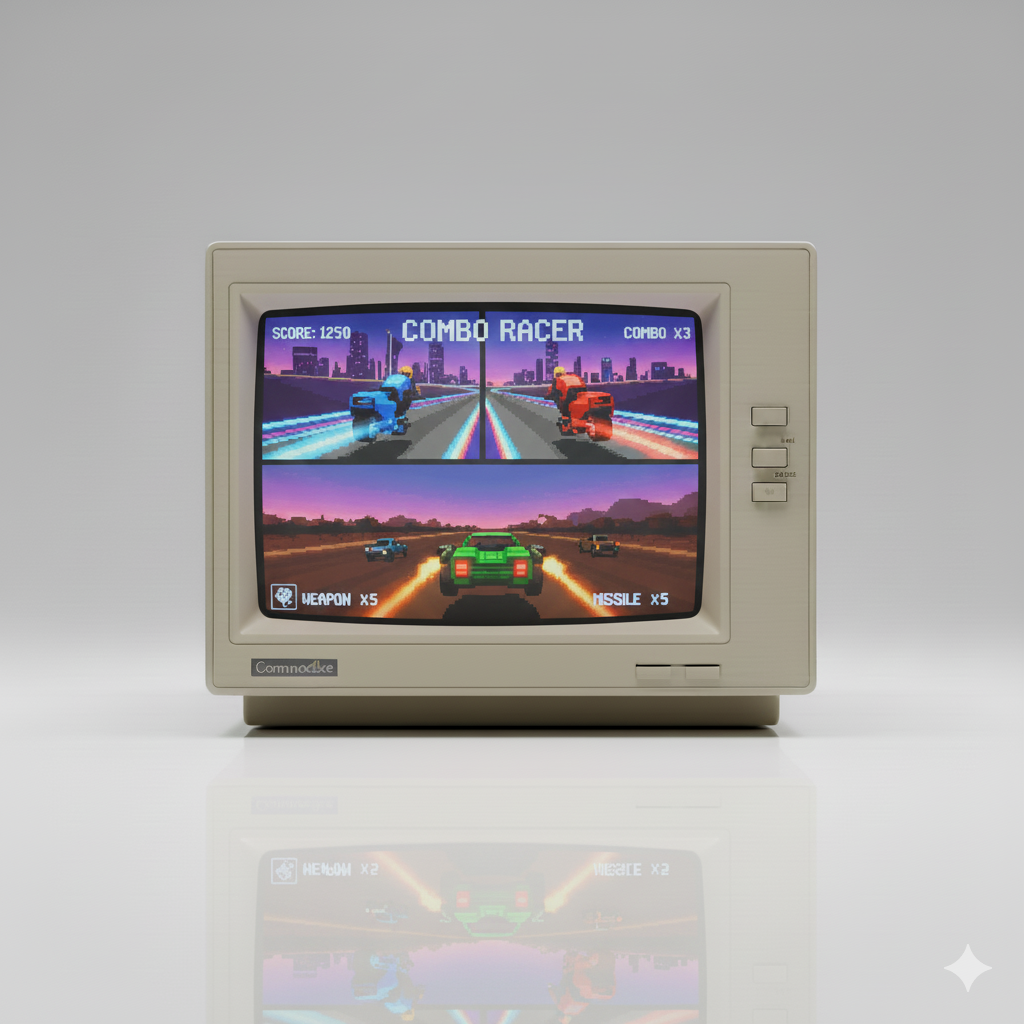
Introduction to the Amiga Era
The Amiga computer system, launched by Commodore in the mid-1980s, epitomized a revolutionary stride in home computing and gaming. During the late 1980s and early 1990s, the Amiga gained substantial recognition due to its advanced multimedia capabilities, which significantly outperformed its contemporaries. With its innovative architecture, the Amiga integrated a 32-bit processor with a unique chipset that enabled exceptional graphics and sound, marking it as a pioneer in the gaming industry.
One of the standout features of the Amiga was its ability to display a staggering array of colors, thanks to its custom graphics hardware. This capability allowed developers to create visually stunning games, setting new standards in art and design. Furthermore, the Amiga’s sound hardware delivered digital audio that was markedly superior to that of other systems, contributing to an immersive gaming experience. Titles released during this period showcased not only intricate gameplay but also captivating soundtracks, making the Amiga a preferred platform for both players and developers.
Additionally, the vibrant homebrew community played a crucial role in shaping the Amiga’s rich library of games. Enthusiastic developers and hobbyists created countless titles and modifications, fostering a culture of innovation and creativity. This grassroots support allowed the Amiga to host an unprecedented variety of gaming experiences, from platformers to racing games, cementing its place in the hearts of gamers.
The allure of the Amiga extended beyond its technical specifications; it represented a cultural phenomenon in gaming. As we delve deeper into specific titles such as Combo Racer, it becomes essential to understand the context of the Amiga era and its lasting impact on the video game landscape.
Overview of Combo Racer
Combo Racer is a quintessential racing game that emerged during the golden era of video gaming on the Amiga platform. This game captivates players with its blend of fast-paced action and strategic planning. Unlike many traditional racing games, Combo Racer emphasizes not only speed but also the tactical use of power-ups scattered throughout its vibrantly designed tracks. These power-ups play a crucial role in elevating the competitive nature of the game, allowing players to enhance their vehicles’ performance or impede their opponents, adding a layer of strategy to the gameplay.
The primary objective of Combo Racer is to cross the finish line before competitors while effectively utilizing available power-ups. Each race is designed to challenge players with unique environments, including twists, turns, and obstacles that require precise control and reflexes. The game captures the player’s attention with its intricate track designs, which blend futuristic landscapes with varied layouts that ensure no two races feel the same. The aesthetic appeal of the tracks, combined with engaging gameplay, sets Combo Racer apart from its contemporaries.
Moreover, players have a diverse selection of vehicles to choose from, each with distinct characteristics that influence racing dynamics. This variety allows players to select their preferred driving style, whether they favor speed, handling, or acceleration. The unique amalgamation of these gameplay elements forms an enriching racing experience that resonates with both casual gamers and ardent racing enthusiasts. The ability to customize vehicles further enhances the player’s connection to the game, making Combo Racer a memorable title in the racing genre, especially within the Amiga lineup.
Gameplay Mechanics of Combo Racer
Combo Racer, a classic of its time, offers an engaging and immersive gaming experience through its well-crafted gameplay mechanics. The controls are intuitive and fluid, allowing players to easily navigate their vehicles around various tracks. Utilizing a standard joystick layout, players can accelerate, brake, and steer with precision, promoting a seamless flow of gameplay. Mastery of these controls is essential, as the game requires quick reflexes and sharp decision-making to succeed.
Racing strategies play a critical role in achieving victory. Players must constantly assess their positions on the track, evaluating when to utilize speed boosts or when to adopt a more defensive approach. The pacing of the game is finely tuned, balancing moments of intense action with opportunities for careful maneuvering. Races are designed to be dynamic, presenting players with challenges such as sharp turns and obstacles that require adept handling and strategic foresight.
A key feature of Combo Racer is its engaging mechanics surrounding power-ups. Scattered across the course, these power-ups can provide significant advantages, such as speed boosts or temporary shields. Understanding when to collect and utilize these items can drastically shift the tide of a race. Drifting is another pivotal mechanic, allowing players to navigate corners more effectively while maintaining speed. Executing a perfect drift not only enhances performance but also adds a layer of style to the gameplay.
The collision physics in Combo Racer further enhance its realism and gameplay depth. Collisions with other racers or track obstacles can result in various outcomes, including spins or loss of speed. Players must be vigilant in avoiding crashes while also considering opportunities to tactically bump opponents off course. These mechanics collectively contribute to the overall gaming experience, ensuring that each race is thrilling, competitive, and rewarding for players.
Visual and Audio Experience
Combo Racer, developed for the Amiga, stands out in the realm of nostalgic gaming not only for its engaging gameplay but also for its visually captivating and aurally enthralling attributes. The graphics leverage the Amiga’s remarkable capabilities, allowing for vibrant colors and fluid animations that contribute to an immersive gaming experience. The art style employs a cartoonish aesthetic that appeals to a broad audience. Character designs are distinctive and imaginative, with each racer boasting unique appearances and animations that add depth to the gameplay. This diversity in character design enhances the overall enjoyment and engagement, as players can feel a connection to their chosen racer.
Track environments in Combo Racer are equally impressive, showcasing a variety of settings that challenge the player’s skills. Each track is intricately designed, with a mix of vibrant landscapes and engaging obstacles, reflecting the Amiga’s ability to produce detailed backgrounds. These environments not only serve as a backdrop but also play an essential role in the overall gameplay, as the layout of each track varies, adding layers of complexity and excitement. The use of parallax scrolling enhances the depth perception, creating an illusion of three-dimensional space that draws players deeper into the racing experience.
Accompanying the visual elements, the audio experience in Combo Racer is noteworthy. The soundtrack is composed with catchy, upbeat tunes that not only enhance the racing atmosphere but also evoke a sense of nostalgia for players familiar with the Amiga era. Each track in the game features a score that matches its specific environment, blending seamlessly with the action. Additionally, the sound effects, from engine roars to the satisfying sounds of power-ups, contribute to an immersive soundscape that significantly enhances player engagement. The combination of visuals and audio in Combo Racer effectively transports players back to a cherished era of gaming, making the experience both memorable and enjoyable.
The Development Story Behind Combo Racer
Combo Racer emerged from the creative minds at a small development team in the late 1990s, a time when the gaming landscape was rapidly evolving. The team was comprised of talented designers who aimed to revolutionize racing games for the Amiga platform, integrating innovative gameplay mechanics with engaging graphics and sound.
The lead designer, who previously worked on various successful Amiga titles, had a clear vision: to create a game that would not only appeal to racing enthusiasts but also attract a wider audience. This vision led to the integration of arcade-style gameplay, allowing players to experience exhilarating races while utilizing combos to enhance their performance. Each race would provide a unique experience, melding speed with skill in a visually stunning environment.
As development progressed, the team faced multiple challenges, particularly regarding the technological limitations of the Amiga system. These constraints necessitated thoughtful optimization of graphics and gameplay elements, leading to numerous revisions and refinements. The success of Combo Racer depended significantly on balancing visual fidelity with the fluidity of gameplay. Despite these hurdles, the commitment to delivering a high-quality experience remained unwavering.
Upon its release, Combo Racer received a diverse array of reactions within the gaming community. Players praised its innovative features and engaging gameplay, while some critiques were directed at the steep learning curve. Nevertheless, the game cultivated a dedicated fan base that appreciated the depth and replayability it offered. This combination of factors contributed to Combo Racer’s enduring legacy, cementing its place within the nostalgic pantheon of Amiga games.

Legacy and Influence on Racing Games
Combo Racer, released in the early 1990s for the Amiga, holds a significant place in the history of racing games. It’s not merely an entry in the genre, but rather a pioneer that introduced several elements which have since become standard in contemporary racing titles. Its vibrant graphics and engaging gameplay mechanics laid the groundwork for the evolution of racing games, influencing how developers design and implement game mechanics.
One of the most noteworthy contributions of Combo Racer is its emphasis on speed and precision. The game featured intricate track designs that challenged players to hone their skills, a concept that resonates in modern racing games such as *Forza Horizon* and *Gran Turismo*. Both of these titles borrow the idea of track complexity, where players must navigate through a variety of environments, experiencing both exhilarating speed and intricate controls that demand precision. The sense of reward for mastering difficult tracks originated from the gameplay philosophy evident in Combo Racer.
Moreover, Combo Racer’s multiplayer functionalities sparked interest in social gaming experiences within the racing genre. Players could compete against each other, fostering a community around the game. This multiplayer element is prevalent in today’s racing games, where online modes have become an essential feature, allowing for global competitions. Titles like *Need for Speed* and *Crew* have expanded on this foundation by incorporating online leaderboards and tailored gameplay experiences that directly echo the engaging camaraderie that Combo Racer inspired.
Ultimately, the legacy of Combo Racer is visible not just in gameplay mechanics, but also in the way racing games are structured today. Its influence can be seen throughout the racing genre, as developers continuously draw inspiration from its innovative approaches. While the technology and graphics have evolved dramatically, the core principles introduced by Combo Racer continue to shape racing games in profound ways.
Community and Fan Base
The enduring legacy of Combo Racer is largely attributed to its vibrant community and dedicated fan base. Since its release, players worldwide have come together to celebrate their shared passion for this classic Amiga game. Numerous fan clubs and online forums dedicated to Combo Racer have emerged, providing a space for enthusiasts to discuss strategies, share high scores, and reminisce about their experiences with the game. This close-knit community continually fosters a sense of belonging among users, reinforcing the nostalgic connections many have with the title.
In addition to discussions and casual interactions, fans have significantly contributed to the game’s longevity through various creative endeavors. One of the most notable forms of engagement is the production of fan art, which has proliferated across social media platforms and community websites. These artworks serve as a testament to the creativity and passion of the players, showcasing their appreciation for the iconic characters and exhilarating gameplay that Combo Racer offers.
Moreover, the modding community surrounding Combo Racer plays a significant role in revitalizing the game for both new and veteran players. By creating mods that enhance gameplay, introduce new levels, or even update graphics, these talented modders ensure that the game remains fresh and enjoyable well into the modern gaming era. Their efforts allow for customization and variety, which increases replayability and continues to engage players who may have initially completed the game years ago.
Organized events, such as online tournaments and themed gatherings, also contribute to the communal experience of Combo Racer. These events often attract players from various regions, uniting them in their collective nostalgia. Such interactions strengthen the community, fostering friendships based on a shared love of the game. Overall, the passionate fan base and supportive community have played a pivotal role in maintaining the relevance and charm of Combo Racer, ensuring it endures in the hearts of many gamers.
Playing Combo Racer Today
For those looking to dive into the world of Combo Racer today, multiple options exist to experience this nostalgic gem. The original Amiga title can be played on various emulators that replicate the classic gaming experience. Notable emulators such as WinUAE, FS-UAE, and Amiga Forever allow users to easily configure and run Combo Racer on modern computers. Moreover, these emulators often come bundled with the required disk images, simplifying the installation process for beginners.
In addition to emulators, aficionados may find official ports or adaptations of Combo Racer on contemporary platforms. It is advisable to check platforms like Steam or GOG, where classic titles are frequently re-released for modern systems. This not only ensures compatibility but also typically includes enhancements like improved graphics and additional features.
For new players stepping into the vibrant tracks of Combo Racer, it is beneficial to familiarize oneself with the gameplay mechanics. Engaging with various gameplay videos and walkthroughs available on sites like YouTube can offer valuable insights. These resources often illustrate advanced techniques and strategies, allowing players to master the intricacies of the game quickly.
Furthermore, joining online forums and communities dedicated to retro gaming can enhance your experience. Engaging in discussions, sharing tips, and even challenging fellow enthusiasts can enrich your time spent with Combo Racer. Websites such as Reddit or specialized gaming forums often feature segments for retro games, where players can exchange advice and reminiscence about their favorite moments in the game.
The Enduring Appeal of Combo Racer
Combo Racer remains a significant title in the pantheon of Amiga games, captivating players long after its original release. This game encapsulates the essence of arcade racing, blending fast-paced action with a vibrant, pixelated aesthetic characteristic of the Amiga era. Its mechanics encouraged competition and skill, combining nostalgia with engaging gameplay elements that fostered camaraderie among players.
The charm of Combo Racer can be attributed to several key factors, including its innovative design and lively graphics that transport players back to the golden age of video games. The sense of nostalgia rooted in the experience often elicits fond memories for those who initially played it during their youth. These elements combined to create a lasting impression that continues to resonate with both veterans and newcomers to the genre.
Moreover, Combo Racer’s accessibility is noteworthy; it welcomes both seasoned gamers and new entrants, offering an experience that balances challenge and enjoyment. This inclusiveness helps maintain its relevance in a gaming landscape that constantly evolves. Players often reminisce about their competitive races and the shared laughter among friends, solidifying Combo Racer’s place as more than just a game—it’s a shared memory.
As we reflect on the enduring appeal of Combo Racer, it serves as a reminder of simpler times in gaming while paving the way for future generations to discover its charm. Readers are encouraged to share their experiences, anecdotes, or cherished memories associated with Combo Racer. Such reflections enrich the community of nostalgia and keep the spirit of this beloved game alive for years to come.