
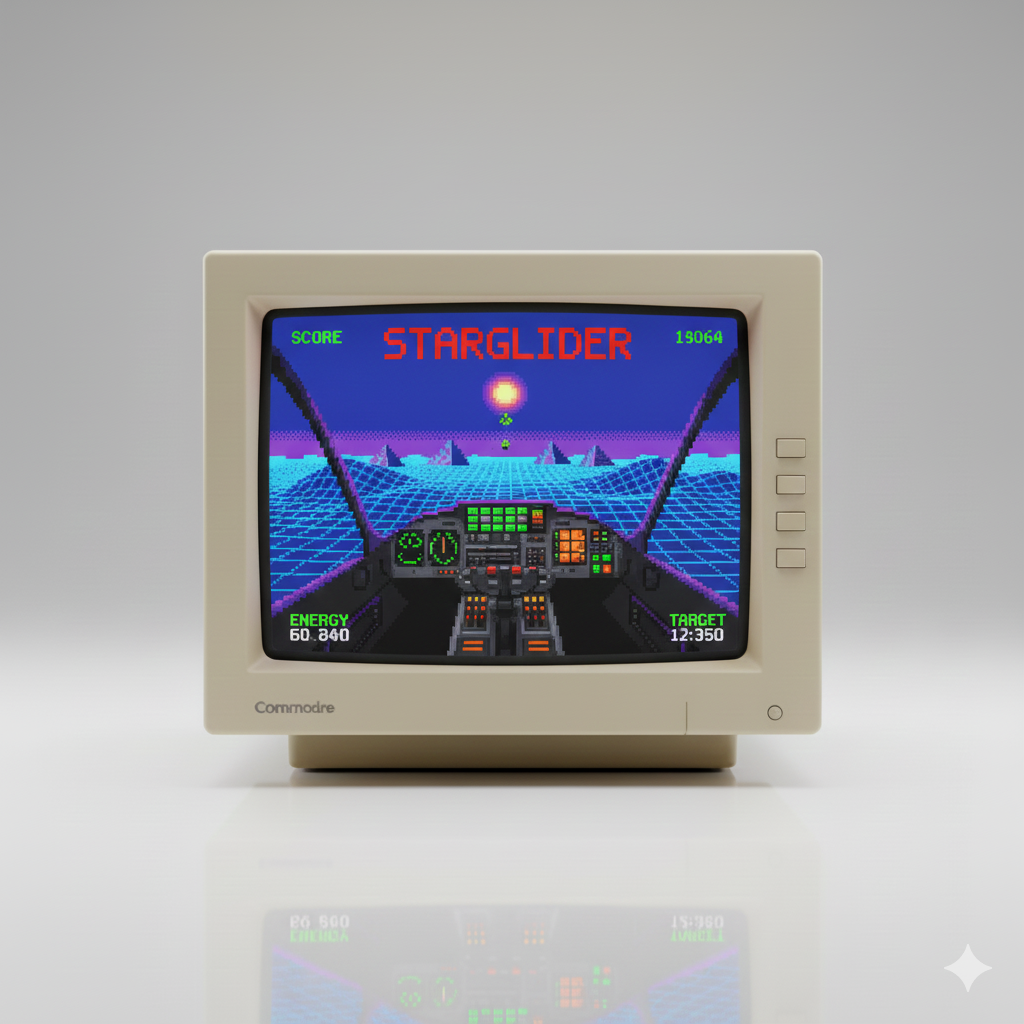
Introduction to Starglider
Released in 1986, Starglider stands as a significant landmark in the Amiga gaming landscape, predominantly credited to its innovative developer, Argonaut Software. This groundbreaking title emerged during a time when the gaming industry was undergoing a seismic shift, primarily due to advancements in technology. It was one of the first games to fully utilize the capabilities of the Amiga, setting new standards in both graphics and gameplay.
Notably, Starglider was substantial in showcasing the technical prowess of the Amiga platform. The game introduced sophisticated 3D graphics that created a visually immersive experience, demonstrating an impressive use of polygon-based rendering. Players navigated expansive environments, which not only displayed the potential of 16-bit graphics but also highlighted the Amiga’s powerful sound capabilities. The game’s rich audio complemented its visuals, contributing to a paradigm shift in how sound design was integrated within games.
Moreover, Starglider is often praised for its gameplay mechanics, blending elements of exploration and combat seamlessly. This integration was relatively novel at the time, influencing future titles and establishing a benchmark for both genre and playability. Players took on the role of an interstellar pilot, engaging in missions that required both strategic prowess and reflexive skills. The game’s attention to detail and user interface elevated its gameplay experience, ensuring it appealed to a broad audience.
While many games during its release focused on linear storytelling, Starglider offered an open-world environment where exploration was key. This aspect would later serve as an inspiration for countless games in subsequent generations, solidifying Starglider‘s significance not only in the Amiga catalog but also within the broader context of gaming history.
Gameplay Mechanics
The gameplay mechanics of Starglider offer players a unique blend of exploration and combat set within a three-dimensional space environment. One of the main objectives of the game is to successfully navigate through various cosmic zones while defeating enemy forces and completing missions. Players assume the role of a pilot controlling a spacecraft, which possesses distinct capabilities that are essential for advancing in the game.
Control schemes are intuitive, allowing players to maneuver their spacecraft with ease. Using a combination of joystick input and keyboard commands, players can navigate their ship through space while executing complex maneuvers. This control system enhances the immersive experience, enabling one to perform rolls, flips, and precise turns that are crucial during dogfights or when dodging obstacles. Moreover, players can manage their ship’s speed and altitude, which are important in achieving mission objectives and engaging in combat effectively.
Interaction with the spacecraft extends beyond simple navigation. Starglider introduces an innovative targeting system that allows players to lock onto enemies and installations. This adds an extra layer of strategy, as players must decide when to engage or retreat based on their current status and the enemies’ positions. Additionally, power-ups can be collected throughout the gameplay, granting temporary upgrades or modifications that can significantly alter the dynamics of both exploration and combat.
What sets Starglider apart from competitors in the genre is its emphasis on open-ended exploration combined with mission-based gameplay. This creates a diverse set of challenges as players must adapt their strategies and utilize the ship’s capabilities to overcome obstacles and enemies they encounter along their journey through the cosmos.
Visual and Audio Experience
The visual and audio experience of Starglider on the Amiga is a significant highlight that contributes to its lasting appeal in the gaming community. The graphics of Starglider utilize the Amiga’s capabilities to their fullest, presenting players with expansive three-dimensional environments that invite exploration. The use of vibrant colors and distinct designs for spaceship models and planetary surfaces effectively captures the essence of interstellar travel, setting a high standard for graphical fidelity at the time of its release.
The level design of Starglider is intricate and thoughtfully crafted, allowing players to navigate through multiple terrains, such as asteroid fields and alien landscapes. These environments are not only visually engaging but also integrate vibrant animation, enhancing the overall immersive experience. Each level is unique, with challenging obstacles and strategically placed enemies that encourage skilled maneuvering and quick reflexes. This attention to detail stands out when compared with other contemporary Amiga titles, which often focused on 2D graphics.
Furthermore, the sound design in Starglider enhances the thrilling adventure through its immersive audio effects and music. The game features a dynamic musical score that adapts as players progress, effectively augmenting the emotional impact of gameplay. The sound effects, ranging from engine noises to collision impacts, complement the visual experience, creating a cohesive atmosphere that draws players deeper into the cosmos. By balancing visual and audio elements, Starglider not only provides entertainment but enriches the player’s connection to the game’s universe, showcasing the capabilities of the Amiga platform at the time.
Storyline and Setting
Starglider presents an engaging narrative set in a sprawling science-fiction universe, where players take on the role of a skilled pilot navigating through treacherous terrains and encountering various enemy entities. The premise revolves around the protagonist’s mission to save the galaxy from impending doom at the hands of a malevolent force known as the A.I. It sets the stage for a thrilling adventure characterized by exploration and combat, allowing players to immerse themselves in a richly crafted world.
The game’s world-building is particularly noteworthy, with an intricately designed environment that consists of multiple planets, each teeming with unique landscapes and challenges. From urban futuristic cities to desolate landscapes littered with remnants of past civilizations, the setting is diverse and invites exploration. This immersive backdrop not only enhances the gameplay experience but also serves to deepen the overarching narrative. As players progress, they encounter a variety of alien species and uncover mysteries imbued within the cosmos, heightening the sense of adventure.
As the story unfolds, players engage in various missions that contribute to the progression of the central narrative. The interplay between the player and the A.I. antagonist adds a layer of tension, as the protagonist must outsmart and outmaneuver these formidable foes. The unfolding events are not merely linear; players are often presented with choices that impact their journey, making the storyline dynamic and player-centric. This level of interactivity ensures that players remain invested in their character’s quest, enhancing the overall depth of the game.
Impact on Gaming Culture
The release of Starglider in the late 1980s marked a pivotal moment in gaming culture, particularly within the realm of 3D graphics and immersive gameplay. As one of the early titles to effectively utilize 3D polygonal graphics, Starglider not only set a benchmark for visual fidelity but also introduced complex flight mechanics that would influence the development of a variety of future games. The atmospheric environments and interactive gameplay captured the imagination of players and developers alike, showcasing the possibilities of 3D worlds in ways that had previously not been fully realized.
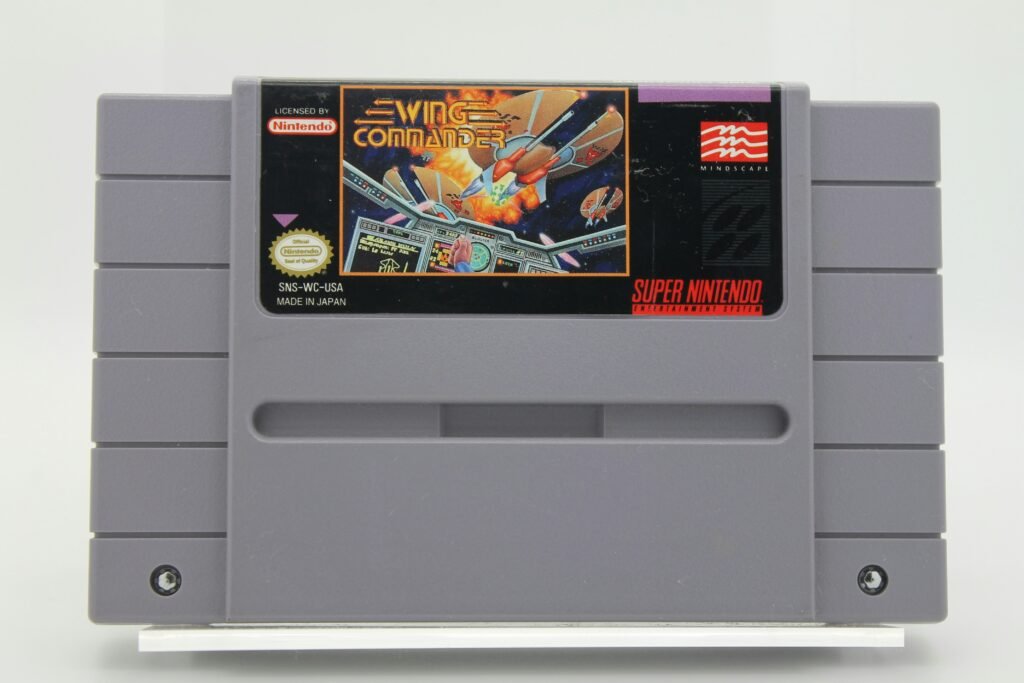
Starglider’s influence extended beyond its graphics and gameplay; it played a significant role in shaping the trajectory of the gaming industry. Its innovative controls and open-world design inspired a wave of games that sought to replicate its in-depth exploration and engaging mechanics. Titles such as Descent and Wing Commander can trace their roots back to the pioneering design principles introduced in Starglider, which advocated for player agency and immersive storytelling. This game also provided a platform for discussing technology advancements within the gaming community, as the hardware capabilities of the time directly impacted game development and design choices.
Moreover, Starglider fostered a sense of community among gamers, as players shared tips and tricks, and developers engaged with their audience to enhance their creations. The game’s popularity contributed to the burgeoning online forums and subscription services that eventually shaped how players interact with games and fellow enthusiasts. As a result, Starglider’s impact resonates through various facets of gaming history, serving as a foundational title that contributed to the evolution of 3D gaming and its integration into the wider culture of interactive entertainment.
Community and Legacy
The Amiga game Starglider has established a dedicated fan base that remains impactful even decades after its initial release. This vibrant community is a cornerstone of the game’s legacy, ensuring that Starglider is not just a relic of gaming history but a living phenomenon among retro gaming enthusiasts. Forums and social media platforms serve as bustling hubs for conversation, where fans exchange tips, share nostalgic memories, and explore strategies for mastering the game’s unique mechanics.
The longevity of Starglider can be attributed to its innovative gameplay and captivating visuals, which have left a lasting impression on players since the late 1980s. As technology evolved, so did the community’s creative expression. Fans of Starglider engaged in various projects, from developing remakes to creating fan art, showcasing their passion and appreciation for the game. This ongoing engagement has played a crucial role in keeping the game alive, bridging generational gaps in gaming culture and ensuring that new players discover this seminal title.
Moreover, the legacy of Starglider within the Amiga community is significant. It not only paved the way for future titles by demonstrating the potential of 3D graphics on home computers but also influenced the genre of space simulation games as a whole. Scholars and gaming historians often refer to Starglider as a pioneering work, highlighting its critical acclaim and its foundational role in the history of video games. Events such as retro gaming conventions often feature discussions and exhibitions centered around the game’s impact, fostering an environment of appreciation and remembrance.
Ultimately, the Starglider community and its legacy serve as a testament to the power of gaming to unite individuals across different backgrounds and eras. As enthusiasts continue to advocate for the preservation of this classic title, Starglider remains a shining example of how a game can resonate through time, fostering connections and inspiring future generations of gamers.
Technical Innovations
The Amiga game Starglider, released in 1986, is lauded not only for its engaging gameplay but also for the significant technical innovations it introduced. One of the most notable advancements was its sophisticated use of 3D rendering techniques. Starglider implemented a form of shaded polygon rendering that was revolutionary at the time. Unlike earlier games that relied on simple sprites and 2D backgrounds, Starglider utilized a technique called Gouraud shading to create the illusion of depth and curvature, making the environments feel more dynamic and lifelike.
Furthermore, the game was among the first to effectively employ vector graphics in a way that provided an immersive experience. This use of vectors allowed for smoother animations and movements through vast space environments. The spacecraft’s motion, combined with the game’s ability to render high-speed graphics without significant lag, set a standard for future games on the Amiga platform and beyond.
Another significant innovation was the use of an intricate scrolling technique that allowed players to navigate through the game’s expansive terrains seamlessly. This transformed the perception of movement in games, transitioning from segmented levels to a more open and exploratory format. The technical prowess displayed in Starglider was not just a landmark achievement for the game but also pushed the boundaries of what was possible in video games during that era.
The combination of these advanced rendering techniques, sophisticated graphics, and superior gameplay mechanics made Starglider a pivotal point in gaming history. It inspired subsequent titles and contributed to the establishment of the Amiga as a leading platform for innovative game design. Many developers looked to Starglider as a benchmark for blending technical innovation with creative gameplay, ensuring its legacy would influence generations of games that followed.
Starglider in Retro Gaming
Starglider, originally released in 1985 for the Atari ST and later for the Amiga, remains an iconic title within the realm of retro gaming. As a pioneer of 3D graphics on home computers, its influence is still acknowledged by gaming enthusiasts today. The game’s innovative use of vector graphics and immersive space exploration gameplay established it as a notable moment in the development of the genre. Its unique combination of arcade-style action and simulation elements has secured Starglider a cherished place in retro gaming history.
In recent years, there has been a resurgence of interest in Starglider, evidenced by re-releases and remakes that celebrate its rich legacy. For instance, digital re-releases on platforms such as GOG and Steam have introduced the title to a new generation of gamers, allowing them to experience its groundbreaking mechanics and captivating gameplay. Furthermore, dedicated enthusiasts and developers continue to create fan remakes that aim to modernize the experience while retaining the essence that made Starglider an integral part of retro gaming.
Moreover, Starglider has been highlighted during various retro gaming events and celebrations, including conventions focused on classic gaming. These gatherings often feature panels discussing the game’s design and its impact on subsequent space and flight simulation titles. The presence of Starglider in such contexts reinforces its significance within the retro gaming community, demonstrating how it continues to inspire and influence both players and developers. As the retro gaming scene expands, Starglider remains a shining example of innovation and creativity, ensuring that its legacy will endure for years to come.
Conclusion and Final Thoughts
As we conclude our exploration of the Amiga game Starglider, it is important to reflect on its significant impact on the video game landscape. Developed by the renowned company Argonaut Software, Starglider not only pushed the boundaries of technology at the time but also set a precedent for the evolution of the simulation genre. Its pioneering use of 3D graphics and expansive environments captivated players, offering a gaming experience that was both immersive and groundbreaking.
Throughout this discussion, we have highlighted the various aspects that contributed to Starglider’s lasting appeal. From its innovative gameplay mechanics to its immersive sound design, every element worked in concert to create a memorable experience. The game not only distinguished itself in the competitive gaming arena of the late 1980s but also established a dedicated fanbase that continues to celebrate its legacy today. The blend of exploration and combat in a vast cosmos allowed players to forge their own unique adventures, making each playthrough distinctly rewarding.
Moreover, Starglider’s ability to inspire future generations of game developers cannot be overstated. Its influence is evident in many contemporary titles that strive to replicate its captivating open-world design and complex dynamics. As we reflect on the significance of this classic title, we encourage current players and nostalgia-driven fans alike to share their personal experiences with Starglider. Whether through memories of epic space battles or the thrill of exploring uncharted territories, such stories contribute to the rich tapestry of its history and underscore its importance in the realm of video games.