
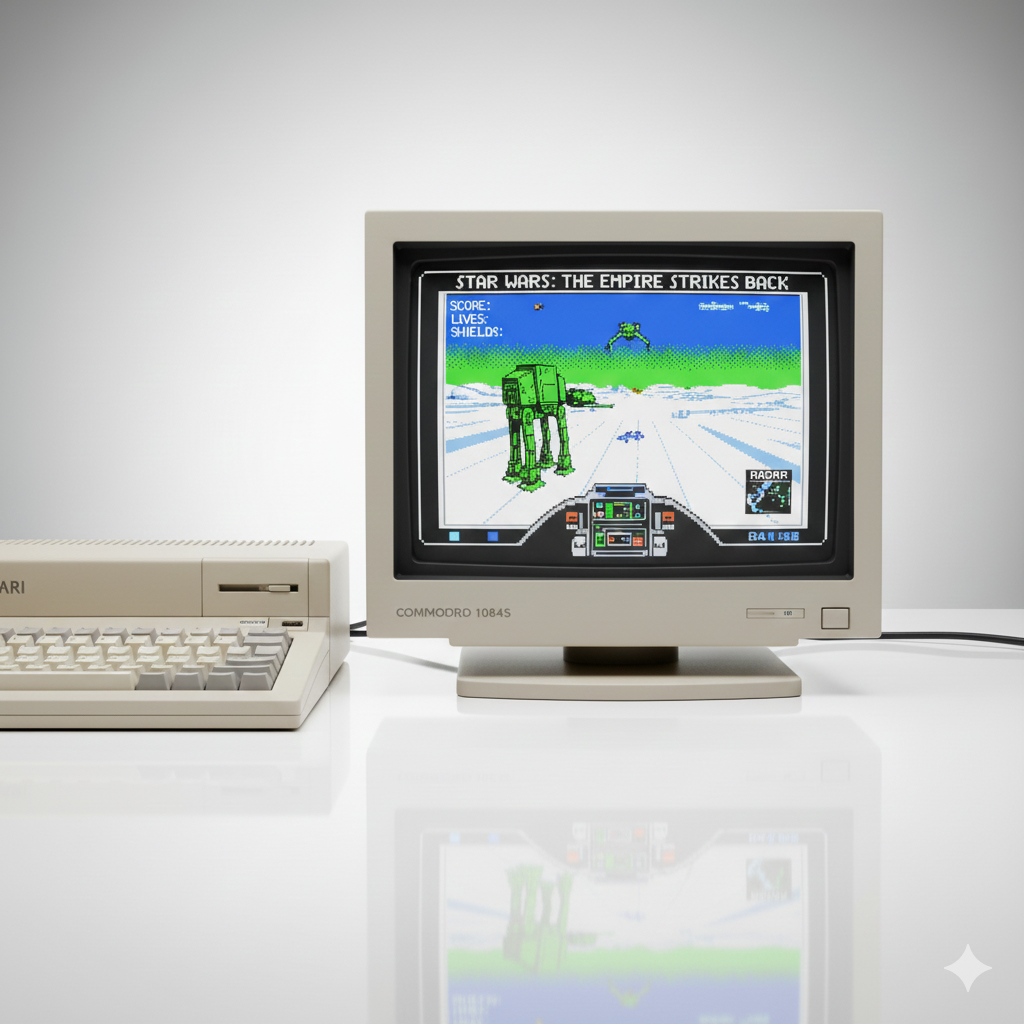
Introduction to Atari and Retro Gaming
Atari, a name that resonates with both nostalgic gamers and modern players, stands as one of the pioneering forces in the video game industry. Established in 1972 by Nolan Bushnell and Ted Dabney, Atari was one of the first companies to develop arcade games and home consoles that shaped the very foundation of gaming. The release of Pong in 1972 marked a significant milestone, demonstrating the commercial potential of video games and establishing Atari as a key player in the burgeoning gaming landscape.
Atari’s impact during the early years of the video game boom was remarkable. The company’s innovative approach to game development led to the creation of groundbreaking titles, which not only offered entertainment but also introduced unique gameplay mechanics that would influence countless future games. The Atari 2600, launched in 1977, became a revolutionary home console that allowed players to enjoy a variety of games from the comfort of their living rooms, making video gaming accessible to the masses.
As the industry grew, Atari faced both challenges and triumphs, including a notable crash in the early 1980s that reshaped the gaming market. Despite this setback, the company’s legacy endures, remembered fondly by those who grew up during the retro gaming era. This period is characterized by pixelated graphics, simple yet addictive gameplay, and a sense of community among gamers. The revival of interest in retro gaming, highlighting the charm of 8-bit and arcade-style experiences, showcases the lasting influence of Atari’s early contributions.
Within this nostalgic framework, Atari’s role as an innovator and cultivator of gaming culture is undeniable. As we delve deeper into classic titles like Star Wars: The Empire Strikes Back, we can appreciate how Atari’s foundational work has paved the way for modern gaming experiences, ensuring that the thrill of retro gaming continues to resonate with new generations.
A Brief Overview of Star Wars: The Empire Strikes Back
Released in 1980, Star Wars: The Empire Strikes Back stands as a critical entry in the Star Wars franchise, expanding on the galactic saga introduced in the original film. Directed by Irvin Kershner, this sequel explores the ongoing conflict between the Rebel Alliance and the Galactic Empire, introducing darker themes and character complexities that resonate throughout the narrative. The film follows the journey of key characters such as Luke Skywalker, Princess Leia, and Han Solo as they navigate the treacherous political landscape of a galaxy besieged by tyranny.
The significance of The Empire Strikes Back is underscored by its masterful storytelling, which delves deeper into the backgrounds of its characters and their struggles. Luke trains under the tutelage of Yoda, who reveals the importance of self-discovery in the fight against the dark side. Meanwhile, the film introduces the intricate dynamics of familial ties when it is revealed that Darth Vader is, in fact, Luke’s father, a plot twist that would become iconic in cinematic history. This revelation not only emphasizes the personal stakes involved in the broader conflict but also solidifies the character development for both Luke and Vader.
Culturally, The Empire Strikes Back has left a lasting legacy, influencing countless movies, television shows, and media since its release. It has been celebrated for its groundbreaking special effects and complex characters, setting a high standard for sequels in the film industry. The film has retained its status as a beloved classic, often deemed one of the best sequels ever made, and it continues to captivate audiences new and old with its timeless message of hope, resilience, and the enduring fight against darkness.
The Development of the Game for Atari
The development of ‘Star Wars: The Empire Strikes Back’ for Atari was a notable event in the gaming industry during the early 1980s. Atari, recognized for its pioneering role in arcade game design, embarked on creating a game that would capture the essence of the iconic Star Wars saga. The team primarily responsible for the game’s development included notable programmers and designers who were passionate about both video games and the Star Wars franchise.
Utilizing technology that was cutting-edge at the time, the Atari team faced numerous challenges in adapting the cinematic universe of Star Wars into an engaging gaming experience. The game was designed using vector graphics, which allowed for smooth movement and dynamic visuals that were impressive for the era. This technology facilitated the creation of thrilling space battles, giving players the sensation of flying in an X-wing fighter while engaging with enemy ships and navigating through challenging environments.
The mechanics developed for the game were intricately tied to the film’s narrative. Game designers focused on replicating key elements from the movie, such as the iconic battle on the snowy planet of Hoth. Players would control their spacecraft in a bid to fend off waves of Imperial forces, thus aligning closely with the storyline. To enhance the player’s experience, the game included features such as power-ups and variable difficulty levels, ensuring a continuous and engaging challenge.
Overall, the development of ‘Star Wars: The Empire Strikes Back’ for Atari marked a significant collaboration of technology and creativity, successfully merging a beloved film’s narrative with an innovative gaming format that would influence future titles in the franchise and beyond.
Gameplay Mechanics and Features
Atari’s Star Wars: The Empire Strikes Back, released in 1985, offers a blend of immersive gameplay mechanics and distinctive features that contribute significantly to the overall gaming experience. Players assume the role of a Rebel pilot tasked with defending Echo Base on the icy planet of Hoth. This premise sets the stage for a series of engaging missions that capture the essence of the original film.
The controls of the game are straightforward, providing an intuitive layout that allows players to maneuver their snowspeeder with relative ease. The joystick is used for movement, while buttons control speed and weaponry, facilitating actions such as shooting at AT-ATs and dodging enemy fire. This simple yet effective control scheme makes the game accessible to a wide audience, including both seasoned gamers and newcomers. The sensation of flying through the thick snow while targeting imposing adversaries adds an adrenaline-filled dimension to gameplay.
In terms of graphics, the game features a unique art style that was quite advanced for its time. The use of pixel art to depict detailed landscapes and character sprites lends a nostalgic charm, while the scrolling backgrounds enhance the feeling of depth and speed. Compared to other games released during the same era, such as Defender or Centipede, the visual representation and thematic coherence of The Empire Strikes Back stand out, effectively immersing players in the Star Wars universe.
The missions within the game are engaging and varied, requiring players to adopt different strategies to overcome challenges. Each level introduces new enemy types and obstacles, ensuring that players remain engaged throughout their gaming sessions. Additionally, the ability to compete for high scores adds a level of replayability that encourages players to refine their skills and improve their performance.
The Iconic Hoth Battle Scene
The Hoth battle scene in Atari’s Star Wars: The Empire Strikes Back stands as a memorable representation of the iconic clash between the Rebel Alliance and the Galactic Empire, encapsulating the essence of the original film. As players engage with this segment of the game, they are immediately thrust into the heart of an epic struggle, which serves both as a nostalgic nod to Star Wars fandom and a testament to the capabilities of retro gaming.
At the outset, players are greeted with the harsh icy landscape of Hoth, setting the stage for the fierce ground battle. The primary objective involves defeating the Imperial AT-AT walkers advancing towards the Rebel base. The game mechanics require players to utilize their speed and dexterity effectively, as they navigate through a barrage of snow and debris, forcing them to adopt quick reflexes and strategic thinking. Mastering the controls to maneuver a snowspeeder and employ tow cables against the towering AT-ATs becomes central to overcoming this daunting challenge.
Strategies employed by players during the Hoth battle typically revolve around maintaining a distance from the AT-ATs to avoid massive firepower while simultaneously exploiting the environment for cover. Timing is crucial; players must execute their attacks precisely without overcommitting, as it can lead to fatal consequences. Additionally, cooperation among players can enhance their chances of victory, as they can coordinate attacks and divert attention away from each other as they tackle the walkers. This approach is reminiscent of the collaborative spirit witnessed in the film itself, where unity was vital for the Rebels’ resistance against oppression.
By translating the cinematic excitement of the Hoth battle into interactive gameplay, Atari’s adaptation provides a platform for both triumph and frustration, effectively immersing players in one of the most significant moments from the Star Wars saga. The combination of graphic design and challenge reflects the era’s gaming standards while offering an engaging experience that resonates with both new players and retro enthusiasts alike.
Reception and Impact on Gamers
Upon its release in 1985, ‘Star Wars: The Empire Strikes Back’ for the Atari platform quickly garnered significant attention from both fans of the franchise and the gaming community at large. The game was praised for its innovative gameplay mechanics, which allowed players to experience iconic moments from the movie while engaging in thrilling space battles. Reviews highlighted the engaging graphics for its time, capturing the essence of the Star Wars universe. Players were particularly drawn to the immersive nature of piloting the Rebel Snowspeeder in the battle against AT-AT walkers on the icy planet of Hoth.
The game achieved respectable sales figures, contributing to its status as one of the best-selling titles on the Atari platform. The blend of familiar characters and high-stakes action resonated with a diverse audience, from die-hard fans of the original trilogy to casual gamers seeking an exciting experience. Player reviews frequently lauded the title for its replayability and challenge, as mastering the levels and overcoming obstacles required skill and strategy. This positive reception paved the way for wider acceptance of franchise-related video games, showcasing the synergy between film and interactive entertainment.
Furthermore, the lasting impact of ‘The Empire Strikes Back’ can be seen in its influence on future Star Wars games and the overall evolution of licensed video games. The title helped to establish a benchmark for quality and engagement that subsequent adaptations would strive to meet. Its success signified a shift in how movie franchises utilized video games as a marketing tool, paving the way for future titles to capitalize on the rich storytelling and beloved characters of the Star Wars saga. Overall, the game is remembered not only for its entertainment value but also for its role in promoting the integration of cinematic narratives within the gaming industry.

Legacy of Star Wars: The Empire Strikes Back in Gaming
The influence of Atari’s Star Wars: The Empire Strikes Back on the gaming industry extends far beyond its initial release in 1982. As part of a groundbreaking shift, this game signaled a new era where movie franchises could be effectively translated into immersive interactive experiences. By integrating memorable characters and iconic scenes from the film, it paved the way for future adaptations of blockbuster movies into the realm of gaming.
One of the notable elements that emerged from The Empire Strikes Back was its engaging gameplay mechanics. The blend of shooting and strategic piloting made it possible for players to feel the thrill of battling in the Star Wars universe. This formula has inspired countless subsequent titles, encouraging game developers to incorporate narrative elements and visual storytelling from cinematic sources. Games like Indiana Jones and the Last Crusade and modern adaptations, such as the recent Star Wars Jedi: Fallen Order, reflect this legacy, showcasing how cinematic themes can enhance interactive play.
Moreover, the game exemplified successful brand collaboration, illustrating how partnerships between film and gaming can create enriched, cross-platform experiences. Characters and storylines within The Empire Strikes Back became instrumental in establishing the idea of sequels and spin-offs in gaming, thereby influencing developers to explore deeper lore and character development in their works.
Even today, the relevance of Star Wars in the gaming industry is significant. The brand continues to thrive with new titles, a testament to the lasting impact of Atari’s original title on franchise-based gaming. From esports tournaments featuring Star Wars-themed games to ongoing community engagement, the legacy of The Empire Strikes Back remains a crucial part of the gaming landscape, reminding us that the synergy between cinema and video gaming can yield remarkable results.
Tips and Tricks for Playing the Game
Playing Atari’s Star Wars: The Empire Strikes Back can be an exhilarating experience, but for new players, it may present some challenges. To enhance your gaming experience and improve your performance, consider the following tips and tricks.
First and foremost, understand the objectives of each level. Familiarize yourself with the gameplay mechanics, such as how to maneuver your ship and engage enemy forces. Timing is crucial; practice your shooting to better anticipate enemy movements, and aim for the weakest points on enemy vehicles to maximize damage. Take advantage of your targeting computer when it becomes available to help precisely lock onto your foes.
A common mistake among newcomers is neglecting to utilize the power-ups scattered throughout the levels. These items can provide significant advantages and should be strategically collected to enhance your abilities. Similarly, learn to recognize when to employ defensive maneuvers to avoid unnecessary damage. Engaging enemies without adequate shielding can quickly lead to defeat.
Patience is essential in this retro gaming classic. Rushing through levels can lead to hasty decisions and mistakes that could cost you the game. Take your time to master each section, and don’t hesitate to replay levels to improve your skills and strategies. Persistence is often rewarded in terms of experience and advancement.
Lastly, playing with a friend or seeking online forums can provide invaluable insights. Collaborating with others allows for the sharing of experiences, strategies, and tips that can enhance gameplay. Engaging with the community can also deepen your appreciation for the game and its nostalgic value.
Conclusion and Final Thoughts
Atari’s “Star Wars: The Empire Strikes Back” is not only a seminal title in the world of retro gaming but also a significant entry within the Star Wars franchise. Released in the early 1980s, this arcade game captured the imaginations of countless players and contributed to the broader impact of interactive entertainment. Its innovative use of vector graphics and sound effects provided a thrilling experience that mirrored the cinematic excitement of the films. In doing so, it paved the way for future video game adaptations of popular movies.
The game’s significance extends beyond its technical achievements; it also resonates with fans of the Star Wars saga, allowing them to immerse themselves in the heroic struggle against the Empire. This duality of serving as both a gaming experience and a narrative continuation of a beloved story illustrates the remarkable capability of video games to enhance the appreciation of existing narratives. It is vital to recognize how this game influenced not just players at the time of its release but also successive generations of gamers, who now have the opportunity to explore the timeless conflict between good and evil in a unique format.
As we reflect on the contributions of both Atari and the Star Wars franchise to gaming history, it becomes evident that collaboration between technology and storytelling is essential. Games like “Star Wars: The Empire Strikes Back” not only helped to advance the medium during a nascent period but also solidified the relationship between film and interactive entertainment, a relationship that continues to thrive today. Both Atari’s early arcade offerings and the expansive Star Wars canon remain significant, reminding us of the nostalgia and excitement that retro gaming can evoke.