
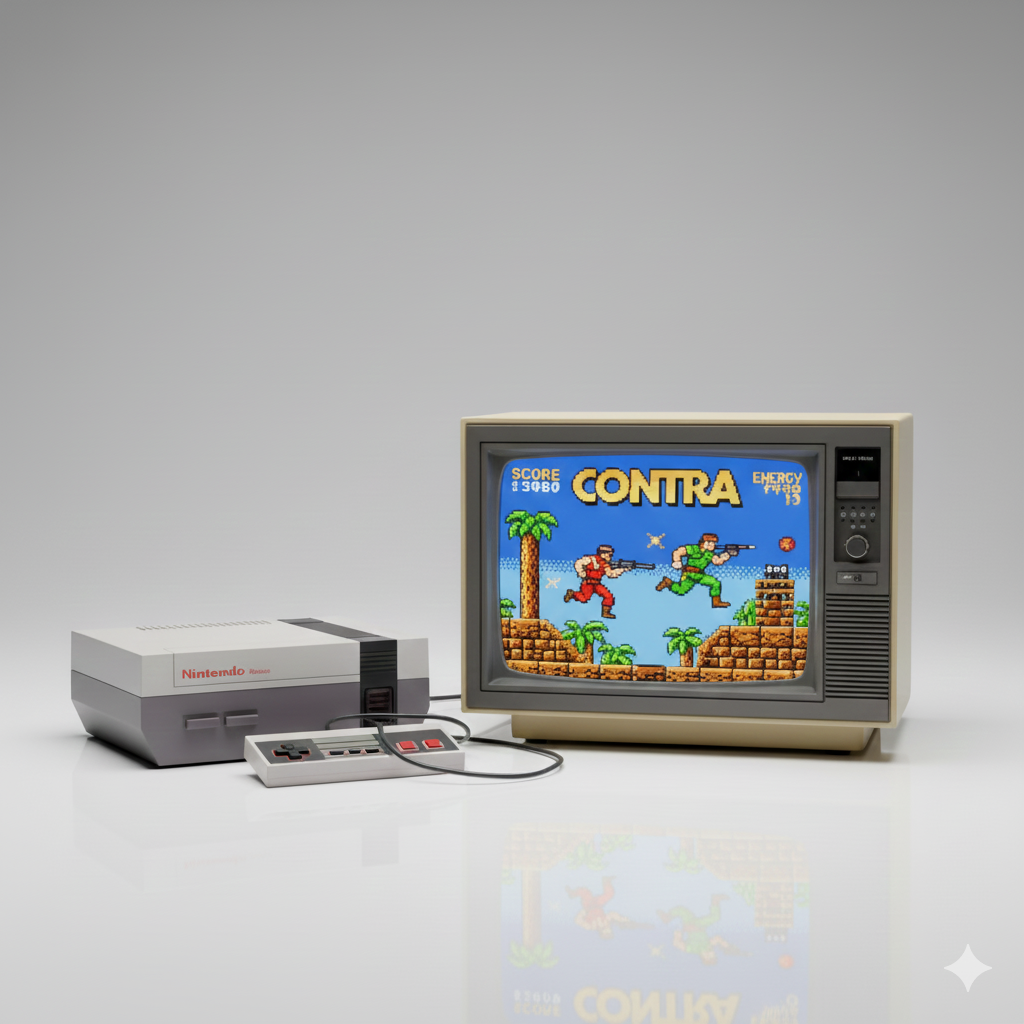
Introduction to Contra
Released in 1987 for the Nintendo Entertainment System (NES), Contra quickly became a defining title in the action-platformer genre. Developed by Konami, the game showcased a thrilling combination of run-and-gun gameplay, co-operative multiplayer, and an engaging storyline, captivating players from its very inception. Upon its debut, Contra received widespread acclaim for its challenging gameplay, innovative mechanics, and high-quality graphics, all of which played a vital role in establishing its place in gaming history.
The primary premise of Contra revolves around two soldiers, Bill Rizer and Lance Bean, who must battle against an extraterrestrial threat on a fictional island. Players navigate through various levels filled with enemies and obstacles, employing a diverse arsenal of weapons to progress. The game’s hallmark is its fast-paced action that encourages players to strategically work together, a feature that contributed significantly to its popularity. The introduction of the famed Konami Code, which granted players additional lives, further solidified Contra’s legacy in the gaming community.
Contra is often recognized as a cornerstone of the NES library, representing a milestone in the evolution of action-platformer games. Its influence extends beyond its original release; the game has inspired numerous sequels, adaptations, and remakes across various platforms, ensuring that its legacy endures. The success of Contra set a precedent for future games in the genre, with many developers drawing inspiration from its gameplay mechanics and design.
In an era where 8-bit graphics and simple controls dominated, Contra emerged as a groundbreaking experience, paving the way for future innovations in video gaming. Its significance continues to resonate today, making it not only a cherished title among retro gamers but also a historical landmark in the development of action-platformer games.
Gameplay Mechanics and Features
Contra, a cornerstone of the NES library, is renowned for its compelling core gameplay mechanics that have garnered a dedicated fanbase over the years. One of the most distinctive features is its side-scrolling action, where players navigate through various levels filled with waves of enemies and formidable bosses. The fast-paced gameplay necessitates quick reflexes and strategic thinking, making every encounter with foes a test of skill.
Integral to the gameplay are the various power-ups that enhance players’ abilities. These upgrades can drastically alter the course of play, providing advantages such as increased firepower or unique weaponry, which significantly impact the overall gameplay experience. The assortment of weapons available—ranging from machine guns to spread shots—encourages players to adapt their strategies based on the weapons they acquire. For instance, while the spread gun offers wide coverage, the laser gun provides a powerful single shot, creating diverse gameplay dynamics depending on player preference.
Furthermore, Contra is well-known for its cooperative gameplay feature, allowing two players to join forces in combat. This mechanic not only amplifies the enjoyment factor but also enhances the overall gameplay experience as players can strategize together and revive each other in the heat of battle. The cooperative mode transforms the challenge level, requiring synchronized efforts to tackle the increasing difficulty.
A significant aspect of Contra’s legacy is the experience of its difficulty. The game is notorious for its steep learning curve, engaging players to refine their skills and master each level. To counterbalance the challenging gameplay, the legendary ‘Konami Code’ acts as a celebrated cheat, granting players extra lives. This buffer allows beginners to engage with the intricate mechanics without the immediate setback of game over screens, paving the way for a more inclusive gaming experience. Overall, Contra’s gameplay mechanics forge an engaging and unforgettable experience that continues to resonate among gamers today.
Cultural Impact and Enduring Popularity
Since its release in 1987, Contra has played a significant role in shaping the landscape of video gaming and popular culture. The game is not merely remembered for its challenging gameplay and cooperative mechanics but is also recognized for its cultural significance that extended beyond the confines of the NES. Contra has inspired numerous references in various media, including television shows, films, and even music. Its iconic characters and memorable graphics have made appearances in other video games, solidifying its status as a pop culture phenomenon.
The influence of Contra on game design is undeniable. The introduction of run-and-gun gameplay mechanics and the cooperative multiplayer experience set a precedent that many games in the genre would follow. Developers have drawn on the elements that made Contra successful, incorporating them into modern titles, evidencing its lasting impact on game mechanics and design philosophy.
A vibrant community of fans continues to uphold the legacy of Contra through various means, including fan art, themed merchandise, and online discussions. Speedrunning has emerged as a popular way for enthusiasts to showcase their skills, with numerous tournaments and events centered around completing Contra in record time. This competitive aspect has transitioned into esports, where the game is celebrated at various gaming conventions and competitive events, affirming its relevance in today’s gaming scene.
The game’s enduring popularity is also maintained through frequent re-releases and remakes across various platforms. Such efforts have introduced Contra to new generations of gamers while catering to long-time fans. By remaining accessible in both nostalgia-driven reboots and updated formats, the game ensures that its legacy continues to thrive in an ever-evolving industry.
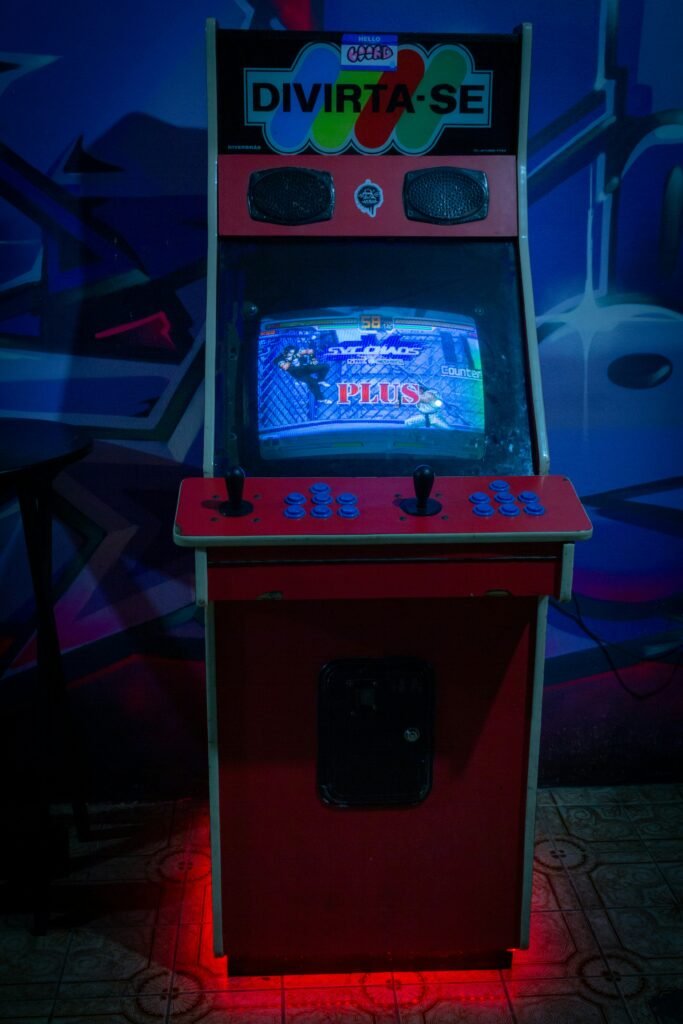
The Future of Contra: Revivals and New Installments
The Contra franchise, revered for its fast-paced gameplay and cooperative mechanics, continues to capture the hearts of gamers. As gaming technology advances and player expectations evolve, future installments of Contra are likely to blend nostalgic elements with modern innovations.
In recent years, the gaming industry has seen a resurgence in interest for classic titles, prompting developers to revive beloved series like Contra through remakes and sequels. Notably, titles such as Contra: Rogue Corps have attempted to fuse classic gameplay with new mechanics, introducing players to a fresh take on the much-loved formula. However, while some modern adaptations have received mixed reviews, they underscore a pivotal aspect of the franchise’s continual evolution.
Looking ahead, it is essential to consider how technological advancements will shape future Contra games. With the emergence of advanced graphics, artificial intelligence, and online multiplayer capabilities, new Contra titles could redefine cooperative gameplay. For instance, integrating cross-platform play may enhance the series’ multiplayer experience, allowing enthusiasts to join forces regardless of their console choice. Furthermore, the implementation of augmented reality or virtual reality elements could immerse players in the Contra universe like never before.
However, while embracing innovation, preserving the essence of what made Contra a classic is paramount. Balancing nostalgia with modern expectations could be the key to effectively engaging both long-time fans and newcomers. As developers explore this delicate balance, maintaining core gameplay mechanics alongside innovative features will be crucial to sustaining the franchise’s relevance in today’s competitive gaming landscape.
As the gaming community anticipates more announcements regarding future Contra projects, it is clear that the legacy of Contra isn’t just rooted in its past, but also in its potential future. The series holds promise for both revivals and new installments, reflecting the enduring appeal of its action-packed gameplay.