
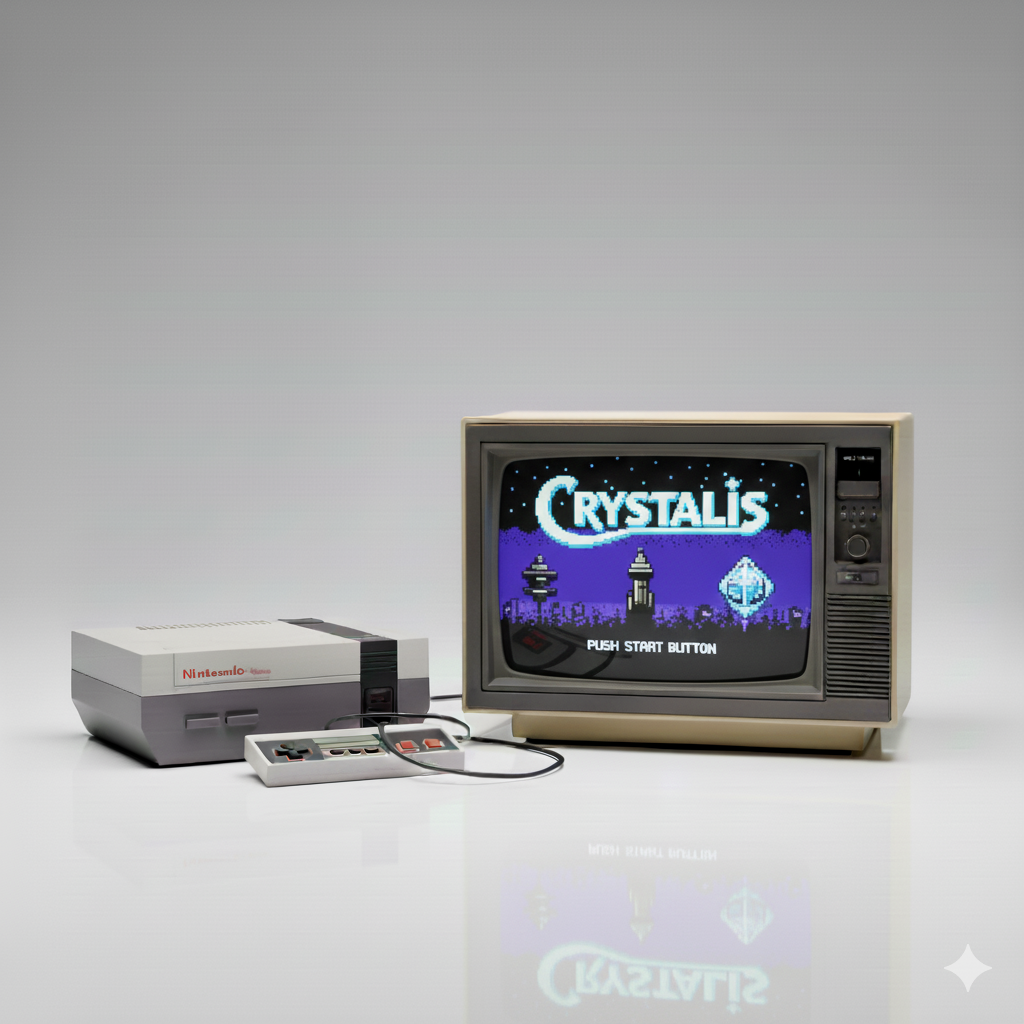
Introduction to Crystalis: A Glimpse into NES History
Crystalis, developed by SNK, is a notable role-playing game (RPG) that was released for the Nintendo Entertainment System (NES) in 1990 in North America. This title has since garnered a cult following and is often celebrated for its innovative gameplay and storytelling methods, positioning it as a significant contribution to the gaming landscape of its time. At its core, Crystalis introduces players to a post-apocalyptic world where they embark on a quest to defeat a power-hungry antagonist using abilities that are further enhanced through interaction with the game’s extraordinary elements.
Upon its initial release, the game was met with positive reviews, praised for its engaging narrative and the depth of its character progression system. Notably, Crystalis is credited for melding traditional RPG elements with a more action-oriented combat system, setting a precedent for future titles in the genre. While the NES was dominated by various platformers and sports games in the late ’80s, Crystalis distinguished itself through its finely crafted world-building, complex plotlines, and an immersive score that elevated the emotional stakes of the gameplay experience.
The late ’80s and early ’90s was a transformative period for video gaming, with RPGs gaining increasing prominence among gamers. Crystalis played an influential role in this evolution by establishing a bridge between classic role-playing games and modern design philosophies. As the RPG genre expanded, its advancements in storytelling and game mechanics influenced subsequent generations of game developers. The legacy of Crystalis resonates to this day, seen as a critical stepping stone that paved the way for more complex video game narratives and immersive player experiences.
Gameplay Mechanics and Features: An In-Depth Look
The gameplay mechanics of Crystalis are a compelling blend of action and strategy, setting the game apart from contemporaries in the RPG genre. At its core, the game employs a real-time combat system that requires quick reflexes and tactical planning. Players engage in battles against various enemies using a combination of physical attacks and a rich array of magical spells, which are crucial for overcoming the increasingly challenging foes encountered throughout the game.
Magic plays a significant role in Crystalis, with a unique system that allows players to acquire different magical abilities as they progress. The player can collect elemental powers, such as fire, wind, and water, each with its own strengths and weaknesses against specific enemies. This elemental strategy enriches the combat experience, necessitating players to think critically about which spells to use in various situations. Furthermore, spells can be upgraded, enhancing their potency as the game advances, which fosters a sense of character progression and keeps the gameplay engaging.
Inventory management in Crystalis is also noteworthy. Players must effectively organize their items, weapons, and magical artifacts to navigate the game smoothly. The inventory system allows players to carry a limited number of items, requiring them to make tactical choices about what to keep or discard. This feature ties into the exploration aspect, as players must search for hidden treasures and valuable items throughout the game’s expansive environments. Exploration in Crystalis is not merely a means to discover loot but is interwoven with quest mechanics that stimulate both personal growth and story progression.
Overall, the combination of real-time combat, strategic magic use, and thoughtful inventory management establishes Crystalis as a timeless adventure that continues to resonate with fans of classic RPGs.
Storyline and Characters: The Narrative of Crystalis
The narrative of Crystalis unfolds in a post-apocalyptic world, presenting players with a rich tapestry of characters and an engaging storyline. The game begins with the protagonist, who awakens from a long slumber to discover a devastated world, ravaged by war and tyranny. This hero is bestowed with the responsibility to vanquish the evil that plagues the land, ultimately embodying the themes of heroism and resilience.
As the player embarks on this journey, they are introduced to essential allies who aid the hero in their quest. Key characters include Marina, a skilled archer with a fierce determination to protect her friends; Garrick, a wise wizard who provides guidance and magical abilities; and Dokuruba, an intimidating foe who represents the oppressive forces that the protagonist must overcome. Each character brings unique skills and attributes to the adventure, fostering a sense of camaraderie and emphasizing the importance of teamwork in overcoming adversity.
The conflict in Crystalis underscores the classic battle between good and evil, a theme that resonates throughout the gameplay. The antagonist, known as Draygon, seeks to dominate the remnants of civilization with his malevolence, creating a powerful challenge for the protagonist and their allies. As players progress, they are not only engaged in combat but also witness the unfolding of emotional bonds and the growth of friendship, which enhances their connection to the narrative.
In addition to character interactions, the storyline influences gameplay mechanics, intricately linking quests and character development with the overall experience. The protagonist’s journey of self-discovery and the dynamic relationships formed along the way allow players to immerse themselves fully in the world of Crystalis. Through a combination of compelling characters and a rich narrative, the game captivates audiences and remains a timeless classic in the realm of role-playing video games.
Legacy and Influence: Crystalis in the Modern Gaming Landscape
Since its release on the Nintendo Entertainment System (NES) in 1990, Crystalis has emerged as a key title in the realm of role-playing games (RPGs), establishing a lasting legacy that continues to resonate with contemporary gamers. Its intricate story and engaging gameplay set a standard for future RPGs, influencing a generation of game designers. From its unique blend of action and traditional turn-based combat to its rich narrative, Crystalis paved the way for several elements that are now staples in modern RPGs.
Crystalis’s impact is evident in the mechanics of subsequent games, as many titles have adopted its approach to world-building and character development. Its combination of an expansive environment, crafted with attention to detail, and a narrative that intertwines personal growth with broader themes, has inspired countless developers. Games like The Legend of Zelda: Ocarina of Time and Chrono Trigger exhibit traces of Crystalis’s influence, integrating similar gameplay elements that enhance player immersion.
Moreover, Crystalis continues to garner appreciation through its re-releases on modern platforms. The advent of digital storefronts has revived interest in the game, allowing it to reach new audiences who might not have experienced it on the NES. This renewed accessibility has also sparked active discussions among retro gaming communities, where enthusiasts share strategies, fan art, and lore analyses, contributing to the game’s enduring popularity. Fan reactions to the game highlight a sense of nostalgia, often emphasizing its artistic design and storytelling prowess as pivotal moments in gaming history.
Today, Crystalis stands as a hallmark of classic RPGs, its influence evident in the fabric of modern gaming culture. Gamers continue to celebrate its timeless adventure, affirming its role in shaping the genre and ensuring its place in the annals of video game history.