
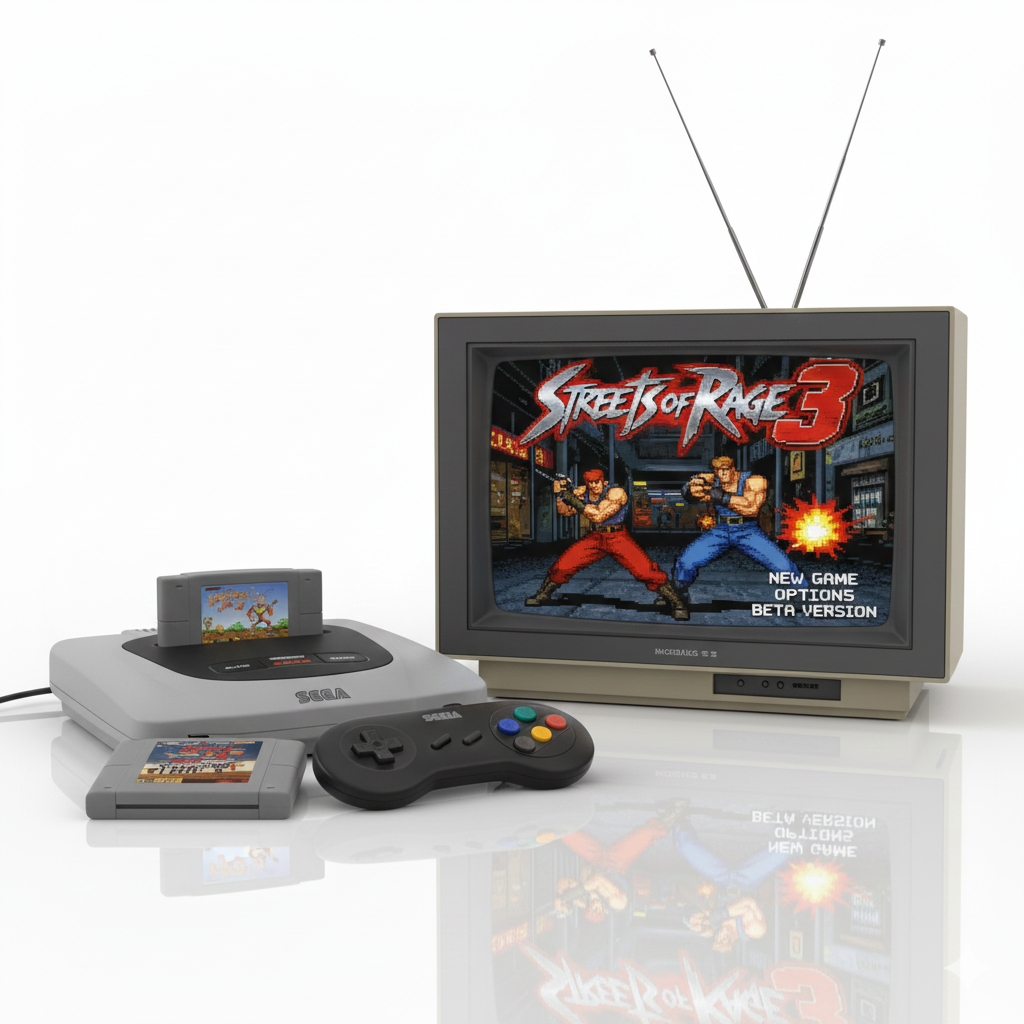
The Legacy of Streets of Rage
The Streets of Rage franchise emerged in the early 1990s, a period characterized by the rapid evolution of video gaming and the nascent popularity of home consoles. Released initially in 1991 for the Sega Genesis, the first title introduced players to a gritty urban landscape where they could take on criminals as vigilante street fighters. This game epitomized the beat ’em up genre and quickly garnered attention for its engaging gameplay and remarkable soundtrack, establishing a solid foundation upon which its successors would build.
During the era, Streets of Rage was part of a wave of similar titles that defined mid-1990s gaming. Competing against franchises like Final Fight, Streets of Rage distinguished itself through its cooperative gameplay mechanics and a memorable roster of characters, each with unique fighting styles. The critical acclaim and popularity of the game led to the development of two further installments, culminating in Streets of Rage 3 in 1994. Each sequel added layers of complexity, not only enhancing graphics and sound but also introducing innovative gameplay elements that enriched the series’ identity.
The impact of Streets of Rage went beyond mere entertainment; it influenced gaming culture by setting standards for character design, narrative integration, and multiplayer engagement. The soundtracks, particularly composed by Yuzo Koshiro, became iconic, reshaping how music could augment the gaming experience. Critics have also lauded the franchise for its ability to blend engaging combat mechanics with thematic depth, thus resonating with an extensive audience.
In summary, the legacy of Streets of Rage lies in its pioneering contributions to the beat ’em up genre and its enduring appeal among fans and scholars of gaming history. The series not only defined a generation of video games but also helped shape the expectations of future game developers, cementing its place in the annals of gaming history.
Gameplay Mechanics that Defined Streets of Rage 3
Streets of Rage 3, released in 1994, distinguished itself from its predecessors through a range of innovative gameplay mechanics that elevated the beat ’em up genre. One of the most notable features was the introduction of a more extensive roster of characters, each equipped with unique abilities and special moves, allowing for diverse combat styles. Players could choose from characters such as Axel, Blaze, and the formidable Eddie “Skate” Hunter, each offering distinct advantages that catered to various play styles.
Special moves played a crucial role in defining gameplay dynamics, with every character capable of executing powerful attacks that could clear screens and deal substantial damage to enemies. The game also introduced a new ‘defensive’ playstyle, allowing players to adopt a more cautious approach to combat, which was not as prevalent in earlier titles. This mechanic encouraged strategic gameplay, where players needed to balance offense and defense based on the situation.
Additionally, Streets of Rage 3 offered multiple endings depending on the paths chosen throughout the game, adding an element of replayability that encouraged players to explore different strategies and character combinations. This branching narrative system was a marked improvement from Streets of Rage 2, which followed a more linear storyline. Such improvements in game design reflected the evolution of player expectations in the 1990s, as gamers sought richer and more engaging experiences.
When compared to its predecessor, Streets of Rage 2, Streets of Rage 3 provided more nuanced gameplay mechanics, such as enhanced enemy AI and varied level design that tested player skills in new ways. Overall, these gameplay enhancements contributed to a more immersive and enjoyable experience, solidifying Streets of Rage 3’s place in gaming history as a benchmark for the genre.
Narrative and Setting: The Story of Streets of Rage 3
The narrative of Streets of Rage 3 unfolds in a fictional city wrestling with crime and corruption. The storyline picks up from its predecessors, immediately immersing players in a battle against a criminal syndicate led by the nefarious Mr. X. As the game progresses, players assume the roles of familiar protagonists, including Axel, Blaze, and newly introduced characters like Eddie “Skate” Hunter, as they strive to rescue their kidnapped allies and dismantle Mr. X’s empire.
One of the unique aspects of Streets of Rage 3 is its intricate plot twists that keep players invested. The game introduces a twist that sees Mr. X possessing advanced technology and employing methodical tactics, escalating the stakes significantly. The individual character arcs allow players to form deeper emotional connections with their avatars. For example, Skate’s youthful exuberance offers a contrast to Axel’s hardened resolve, contributing to a narrative that balances camaraderie and personal growth amidst relentless combat.
The game’s setting significantly enhances its narrative. Each level, designed with distinct aesthetics, transports players through various locales, from urban streets to high-tech facilities. The ambiance created by different levels not only enriches the story but also influences gameplay. The dynamic shifts, such as the progression from day to night, symbolize the escalating dangers players face. Furthermore, the enemy designs are creatively distinct, with each foe reflecting the thematic elements of their respective environments. For instance, the juxtaposition of gang members dressed in cybernetic gear against the backdrop of futuristic cityscapes underscores the tension between revolution and technology.
Overall, the cohesive integration of the storyline, character developments, and meticulously designed environments amplifies the immersive experience of Streets of Rage 3, making it a quintessential title in the beat ’em up genre.
Impact and Aftermath: The Influence of Streets of Rage 3 on Modern Gaming
Since its release, Streets of Rage 3 has left a significant imprint on the gaming landscape, shaping the trajectory of beat ’em up titles both in its era and in contemporary gaming. Although it faced criticism for its challenging difficulty and occasional censorship in certain countries, its robust gameplay mechanics, character design, and engaging storyline contributed to its enduring legacy.
In the years following Streets of Rage 3, several modern games have drawn inspiration from its unique blend of action and cooperative play. Titles such as Streets of Rage 4 demonstrate a clear lineage, combining modern graphics with the classic gameplay that defined the original series. The revival of this franchise indicates a growing appreciation for retro gaming, appealing to both nostalgic gamers and new audiences alike.
Moreover, Streets of Rage 3 introduced mechanics that have been emulated in later works, such as differentiated character abilities, dynamic environments, and intricate combo systems that added depth to the gameplay experience. Theme and aesthetic choices from the original game continue to resonate, paving the way for a resurgence of interest in the beat ’em up genre.
Fan communities have also played a crucial role in keeping the spirit of Streets of Rage 3 alive. Through forums, fan art, and retro gaming events, enthusiasts celebrate and share their love for the game, ensuring that its significance is not overlooked. The strong presence of such communities ensures that the essence of Streets of Rage 3 remains relevant, acting as a cultural touchstone within the wider retro gaming culture.
Ultimately, Streets of Rage 3 laid the groundwork for a resurgence in the beat ’em up genre that we see today, proving that classic titles can evolve and inspire new generations of gamers, bringing retro mayhem into the modern age.