
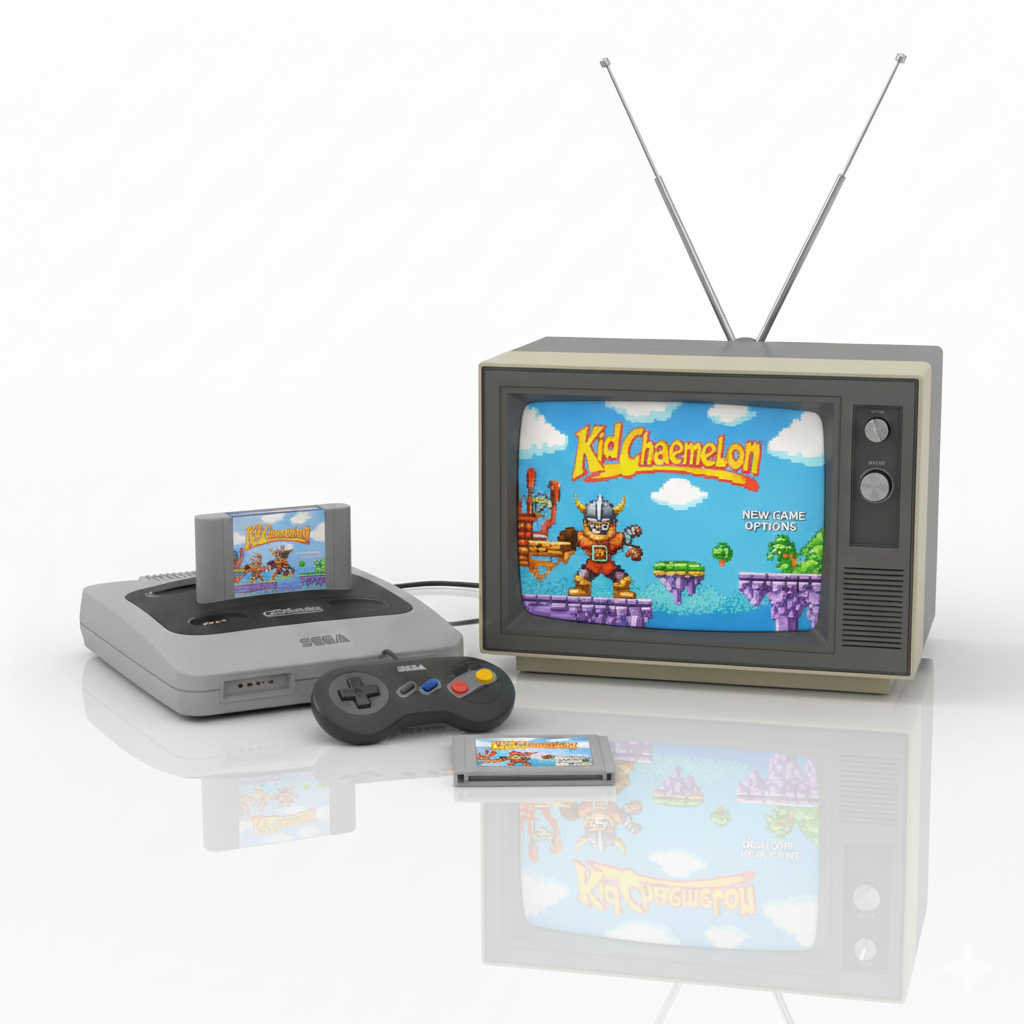
The Origins of Kid Chameleon
Kid Chameleon, a platformer developed by Sega, made its debut in 1992, quickly becoming a noteworthy title within the gaming landscape of the early ’90s. This game emerged during a period characterized by a burgeoning interest in home video games and a shift towards more immersive gameplay experiences. Sega aimed to capitalize on this trend by creating a platformer that not only introduced unique elements but also resonated with its audience.
The creative process behind the game was marked by innovation and a desire to push the boundaries of what was achievable in platform gaming. The development team sought to integrate complex level designs with a variety of gameplay mechanics, ultimately allowing the player to transform into different characters, each possessing unique abilities. This concept of character transformation was deemed revolutionary at the time, offering players a sense of individuality and strategy as they navigated through diverse environments.
Upon its release, Kid Chameleon received mixed reviews from critics, although it was praised for its graphics, level design, and ingenuity. Many players appreciated the game’s depth, which challenged the conventional gameplay seen in existing titles. Despite a lukewarm reception initially, the game eventually developed a cult following, admired for its nostalgic value and solid gameplay. Kid Chameleon has also influenced numerous platformers since its release, showcasing how innovative ideas can leave a lasting footprint in the gaming industry.
In retrospect, Kid Chameleon exemplifies Sega’s commitment to creativity and its ability to adapt to the evolving gaming culture. The game’s legacy continues to be a point of reference for developers today, ensuring that its influence on the genre is both acknowledged and celebrated.
Gameplay Mechanics and Features
Kid Chameleon is celebrated for its innovative gameplay mechanics that set it apart in the realm of platform adventure games. One of the most distinctive features is the character transformation system, which allows players to assume various forms, each possessing unique abilities. For instance, the “Berserker” transformation provides enhanced strength and the ability to break through obstacles, while the “Samurai” grants a powerful sword attack. This mechanic not only diversifies gameplay but also encourages players to experiment with different approaches to overcoming challenges.
The level design in Kid Chameleon is another standout feature, comprising numerous stages that are intricately crafted to provide a balance between exploration and combat. Each level is filled with hidden areas and secrets, motivating players to thoroughly explore their surroundings. Additionally, the levels are adorned with a variety of enemies, each with its distinctive attacks and patterns. This variety keeps players engaged and heightens the challenge, as they must strategically decide which transformations to utilize in different situations.
Furthermore, the game includes multiplayer capabilities, allowing for cooperative gameplay where players can join forces to tackle levels together. This not only enhances the overall experience but also fosters camaraderie among players. Collectibles also play a critical role in Kid Chameleon; players can gather coins and power-ups scattered throughout the levels. Collecting these items unlocks various bonuses, including additional lives and enhanced abilities, thus adding an extra layer of motivation to explore the vibrant worlds.
Incorporating these mechanics effectively, Kid Chameleon delivers a rich and dynamic platforming experience that remains memorable for its creativity and depth.
Cultural Impact and Legacy
Released in 1992 for the Sega Genesis, Kid Chameleon quickly gained recognition for its distinctive graphics and gameplay mechanics. Over time, it evolved into a significant title in the gaming realm, especially within the platform genre. Its colorful art style and imaginative levels captivated players, marking it as a classic that reflected the late 80s and early 90s gaming era. Critics praised its creative design, which included over 100 stages and a variety of transformations that allowed Kid Chameleon to adapt to challenges in unique ways.
The game’s critical reception established it as a noteworthy entry in Sega’s catalog, showcasing the potential for expansive, nonlinear game design. Kid Chameleon not only entertained players at the time but also influenced future platform games, encouraging developers to explore creativity in character abilities and level design. This impact is evident in many contemporary platformers that draw inspiration from its gameplay elements.
Kid Chameleon has maintained a cultural presence through various media and community discussions. Retro gaming enthusiasts often regard it as a beloved gem, frequently referencing it in forums and interviews that explore the evolution of video games. The title has also made appearances in modern discussions surrounding nostalgia for classic gaming, with many gamers expressing fond memories of their experiences. Its memorable gameplay and unique mechanics ensure that it remains an interesting topic within the cultural landscape of gaming.
In popular media, Kid Chameleon has seen mentions in documentaries about classic gaming, further solidifying its status within the gaming community. Its legacy continues as new generations of players discover the rich history of platform games, many of whom are keen to experience the challenges of Kid Chameleon. The title serves as a reminder of the innovative designs that defined a crucial period in gaming history, ensuring its relevance endures within the platform genre.
Tips and Strategies for Success
Kid Chameleon is an engaging platform adventure that requires players to harness various strategies to effectively overcome its challenges. One of the game’s most intriguing features is character transformation. Players have access to different costumes that not only change their appearance but also bestow unique abilities. Understanding when and how to utilize these transformations is crucial. For instance, switching to the Knight costume offers enhanced strength, allowing players to defeat tougher enemies, while the Samurai provides agility for dodging attacks. Familiarize yourself with each character’s abilities to maximize your potential throughout the game.
In addition to mastering transformations, effective level navigation is essential for success in Kid Chameleon. Each level is crafted with obstacles and enemies that require precision. Take your time to explore each environment; rushing can often lead to unnecessary deaths or missed opportunities. Look for hidden pathways or shortcuts that can save time and grant access to power-ups. Knowledge of the game’s layout not only aids in faster completion times but also provides a safer means of progressing through the more difficult sections.
Moreover, be sure to collect as many gems as possible. These gems not only contribute to your score but can also unlock new abilities or characters, adding richness to the gaming experience. It is advisable to replay levels where you feel confident, allowing for further gem collection and mastery of skills. By doing so, you can discover hidden features that might not be apparent during your first run.
Overall, by leveraging character transformations, exploring levels thoroughly, and collecting gems, players will enhance their performance in Kid Chameleon. These tips aim to bolster both newcomers and returning players’ experiences, providing them with a greater understanding and appreciation for this classic platform adventure.