
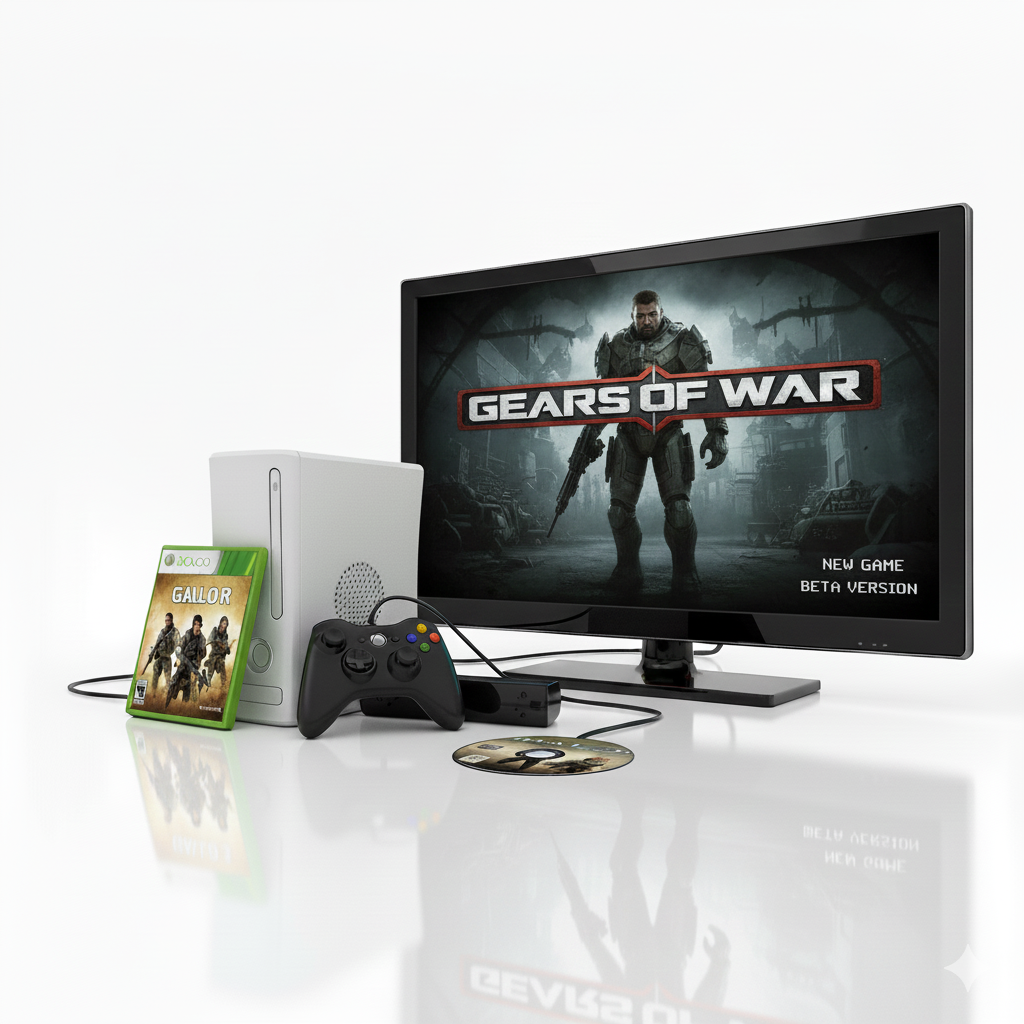
Introduction to Gears of War
The Gears of War franchise has profoundly impacted the gaming industry since its inception, particularly for the Xbox 360 platform. Launched in 2006 by developer Epic Games, the title quickly emerged as a benchmark in the third-person shooter genre. With its gripping narrative, innovative gameplay mechanics, and stunning graphics, Gears of War helped redefine the expectations for console gaming.
Gears of War tells the tale of humanity’s struggle against the monstrous Locust Horde, delivering a rich storyline interwoven with themes of survival, camaraderie, and sacrifice. The narrative is complemented by characters who resonate with players, often portrayed in an emotionally charged atmosphere that is uncommon in typical shooters. This focus on character development sets Gears of War apart, allowing players to forge deeper connections with the game’s protagonists.
Beyond its narrative depth, Gears of War also brought several pioneering elements to the gaming realm. The introduction of cover-based mechanics encouraged strategic gameplay, prompting players to think tactically rather than simply running and gunning. The franchise’s emphasis on teamwork in multiplayer modes cultivated a community that thrives on cooperative gameplay. Moreover, Gears of War’s art design and visual fidelity were groundbreaking for its time, showcasing the power of the Xbox 360 and influencing numerous developers in the years that followed.
In terms of cultural impact, Gears of War has cemented itself as a significant landmark in gaming history. Its influence is evident in various other titles and franchises that have adopted similar mechanics or narrative structures. Thus, Gears of War is not merely a game but a cultural phenomenon that has shaped the gaming landscape, creating a legacy that continues to influence new generations of games and players.
Gameplay Mechanics and Features
Gears of War is renowned for its dynamic and engaging gameplay mechanics that set it apart from other titles in the third-person shooter genre. Central to the game is its innovative cover system, which allows players to tactically navigate the battlefield by using the environment to shield themselves from enemy fire. This feature not only enhances gameplay strategy but also immerses players in intense combat scenarios, demanding quick reflexes and keen decision-making skills.
Cooperative gameplay is a hallmark of Gears of War, enabling friends to team up either locally or online. The game is particularly celebrated for its ability to blend cooperative and competitive elements seamlessly. This cooperative mode shines during missions, where players must collaborate to overcome challenges, manage resources, and execute tactical maneuvers. Such interactions deepen the engagement and provide a sense of camaraderie as players strategize against formidable foes.
Multiplayer modes further elevate the Gears of War experience, offering various gameplay options that cater to diverse player preferences. From standard matchmaking to player-created game types, the multiplayer is robust, allowing for intense face-offs and strategic team play. Players can choose from an array of weapons, each designed with unique attributes that influence combat dynamics. Melee weapons, firearms, and explosives provide different tactical advantages, requiring players to adapt their strategies based on their selected loadouts.
Character abilities also contribute to the gameplay depth. Different characters possess unique skills that can be utilized in both single-player campaigns and multiplayer scenarios, fostering a rich tactical environment where choices significantly impact the game outcome. The adrenaline-pumping action and immersive combat experience keep players engaged in both campaigns and multiplayer, emphasizing the importance of tactics in navigating the challenging landscapes of the Gears of War universe.
Characters and Storyline
The Gears of War series, renowned for its engaging gameplay and captivating narrative, features a rich storyline that interweaves the lives of its characters against the backdrop of a war-torn world. At the heart of this saga is Marcus Fenix, the main protagonist whose journey from a disgraced soldier to a legendary hero is both compelling and emotionally charged. Fenix begins as a character burdened by the weight of his past, thrust into battle against the monstrous Locust Horde threatening humanity’s existence.
The narrative unfolds on the planet Sera, where humanity grapples with the relentless assault of the Locust, an underground-dwelling species determined to eradicate humankind. The storyline artfully depicts Marcus and his comrades, including the fiercely loyal Dom Santiago, who navigate personal struggles intertwined with their fight for survival. The relationship between Marcus and Dom, marked by profound friendship and shared losses, adds a rich emotional layer to the overall story.
Throughout the series, the conflict escalates as the Gears, a special forces unit, fight not only against the Locust but also grapple with the moral complexities of warfare. The characters evolve dramatically, revealing their fears, motivations, and the sacrifices they make in the pursuit of peace. Characters such as Anya Stroud, who transforms from a support role into a formidable ally, and Baird, with his sharp wit and tactical mind, enhance the plot with their unique strengths and perspectives.
The progression of the storyline across multiple installments delves into themes of loss, loyalty, and redemption, inviting players to forge a deep connection with each character. As the battles intensify, the stakes are raised, ensuring that the journey of Marcus Fenix and his allies not only captivates players but also leaves lasting impressions, making Gears of War a landmark series in the gaming universe.
Legacy and Impact of Gears of War
The Gears of War franchise has significantly shaped the landscape of video gaming, particularly in the shooter genre, since its debut on the Xbox 360 in 2006. This franchise not only redefined third-person shooters but also set new benchmarks for storytelling, graphics, and gameplay mechanics. Through its compelling narrative centered around the conflict between humanity and the Locust Horde, Gears of War established a strong emotional connection with its audience, paving the way for future titles to prioritize character development and immersive storytelling.
In terms of gameplay, Gears of War introduced innovative mechanics such as the use of cover systems, which have since been adopted widely in many other shooter games. The franchise’s success can be attributed not only to its groundbreaking technology but also to the development team’s commitment to refining player experience, ensuring that each subsequent game built upon the strengths of its predecessors while incorporating player feedback. With sequels like Gears of War 2, 3, and 4, along with spin-off titles such as Gears Pop! and Gears Tactics, the franchise has consistently engaged its loyal fanbase, proving its relevance through various formats and platforms.
Moreover, the popularity of Gears of War has significantly contributed to the overall success of the Xbox brand. Its release helped to establish the Xbox 360 as a leading platform for gaming, creating a community that still thrives today. The franchise has also evolved in tandem with advancements in technology, transitioning to more powerful consoles while continually enhancing graphics, gameplay dynamics, and multiplayer experiences. Despite the passage of time, Gears of War maintains a significant presence within the gaming community, demonstrating its lasting impact on the industry.