
Introduction
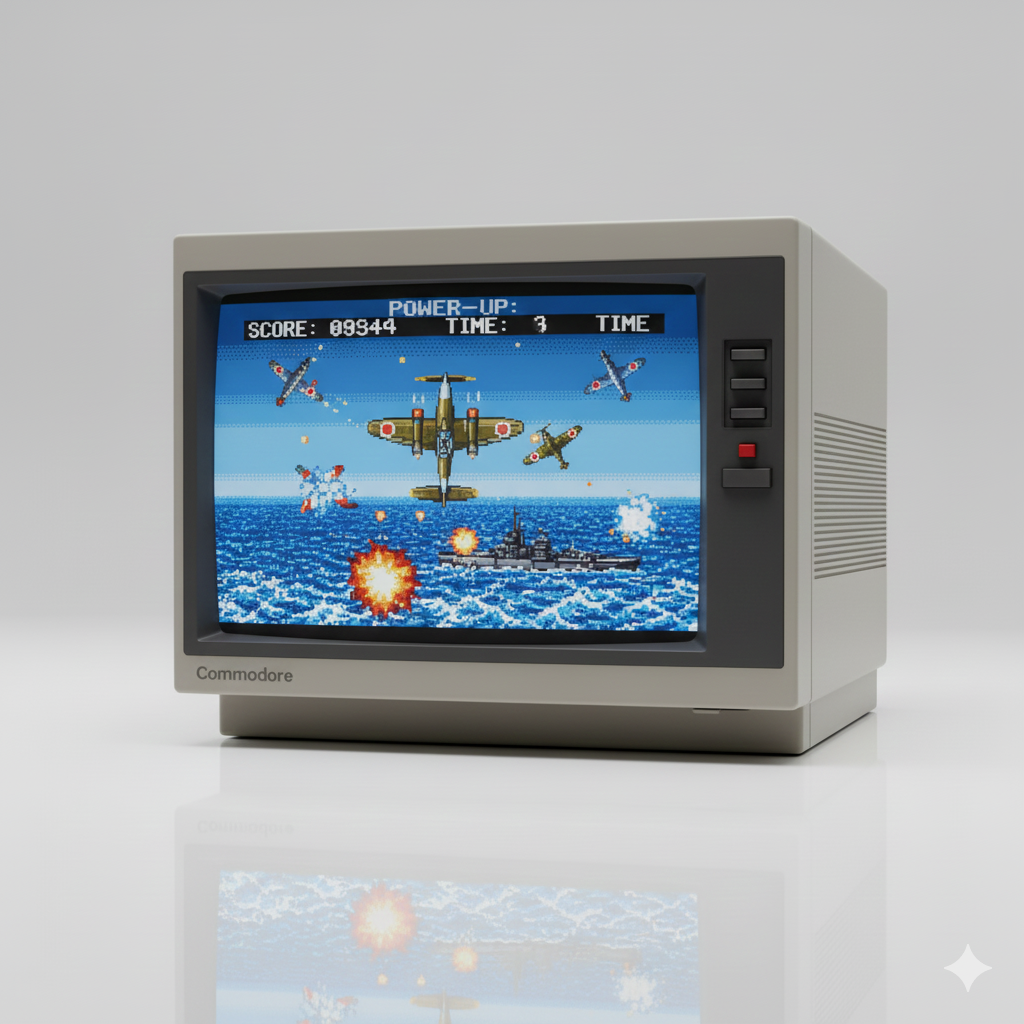
1943: The Battle of Midway is a notable entry in the realm of video games, particularly recognized for its impact on the Amiga gaming landscape. Released in 1990 by the acclaimed developer, Capcom, this game is classified as a vertical scrolling shooter and distinguishes itself through a combination of engaging gameplay and rich historical context. Set against the backdrop of World War II, specifically focusing on the pivotal Battle of Midway, the game encapsulates the intense air combat that underscored this significant naval engagement.
The historical significance of the Battle of Midway cannot be overstated; it marked a major turning point in the Pacific Theater of World War II. This battle, which took place from June 4 to June 7, 1942, pitted the United States Navy against the Imperial Japanese Navy, resulting in a decisive victory for the Allies. This historical backdrop not only enhances the game’s narrative but also serves to engage players who appreciate historical warfare and military strategy.
From a gaming perspective, 1943: The Battle of Midway offers players an immersive experience that includes various aircraft and armaments reflective of the era. The game deftly merges history with gameplay mechanics, providing a dual-layered experience that appeals to both casual gamers and history enthusiasts. Its vibrant graphics and compelling sound design were particularly well-received, showcasing the Amiga’s capabilities and setting a high standard for future titles in the genre.
As we delve deeper into the various elements of 1943: The Battle of Midway, it is crucial to appreciate how it has shaped the landscape of Amiga games and its continuing legacy within the gaming community. The game not only serves as entertainment but also as a significant cultural artifact that offers insights into both gaming and historical events.
Historical Background
The Battle of Midway, a pivotal encounter in World War II, took place between June 4 and June 7, 1942. This significant naval battle was fought between the United States Navy and the Imperial Japanese Navy, following Japan’s attack on Pearl Harbor in 1941. The United States’ victory at Midway marked a turning point in the Pacific theater, shifting the balance of naval power in favor of the Allies.
Midway Atoll, a small island located in the North Pacific Ocean, served as the strategic focal point of the battle. Japanese forces aimed to eliminate the United States as a strategic power in the Pacific while establishing a defense perimeter. However, through a combination of intelligence breakthroughs and effective use of aircraft carriers, the United States was able to ambush the Japanese fleet. This resulted in the sinking of four Japanese aircraft carriers: Akagi, Kaga, Soryu, and Hiryu, which had a devastating impact on Japan’s naval capabilities.
The importance of the Battle of Midway extends beyond its immediate military consequences. It halted Japanese expansion in the Pacific and bolstered American morale at a time when the conflict appeared unfavorable. Midway illustrated the significance of naval aviation and aircraft carriers, setting the precedent for modern naval warfare. The battle is not just a tale of tactics; it represents the ingenuity and resilience of the American military during a critical juncture in history.
In the context of the game “1943: The Battle of Midway,” players can expect an experience that pays homage to this historical event. The game incorporates various real historical elements, from the types of aircraft and ships used in the battle to the strategic maneuvers that were employed. By engaging with these aspects, players gain insight into a significant historical event while enjoying an interactive gaming experience.
Gameplay Mechanics
The gameplay mechanics of the classic Amiga game, 1943: The Battle of Midway, offer an engaging and challenging experience for players. This vertical scrolling shooter requires players to control a fighter aircraft while navigating through intense aerial combat scenes. The controls are intuitively designed, allowing players to maneuver their plane with precision using the joystick or keyboard. The primary objective is to destroy enemy aircraft and naval vessels while avoiding incoming fire.
As players progress through various levels, they encounter a multitude of enemy types, each with unique attack patterns. Enemies range from smaller, agile planes to more formidable bombers and battleships, creating a dynamic challenge that requires quick reflexes and strategic thinking. Players must adapt their tactics as they face increasingly complex formations and stronger adversaries.
The game also incorporates several unique features that enhance the overall gameplay experience. One of these features includes the ability to collect power-ups, which significantly improve the player’s aircraft capabilities. These power-ups provide temporary enhancements, such as increased firepower, faster speed, or added armor, enabling players to withstand more damage during frantic encounters. Additionally, players can acquire special abilities, such as a screen-clearing bomb that can eliminate multiple enemies in one decisive move.
In different levels, players must stay vigilant and responsive to various environmental obstacles, like incoming enemy fire and unpredictable formations. The balance of strategy and skill required to succeed makes 1943: The Battle of Midway a standout title in the genre, appealing to both casual gamers and seasoned veterans alike. The combination of engaging mechanics, diverse enemies, and strategic power-up systems ensures that every playthrough offers a unique and thrilling adventure.
Graphics and Sound Design
The graphics and sound design of 1943: The Battle of Midway encapsulate the quintessential aesthetic of the Amiga platform, engaging players through striking visuals and an evocative auditory experience. The art style is primarily characterized by its vibrant color palette and detailed pixel art, which captures the essence of World War II aerial battles. The character designs are carefully crafted to reflect the distinct features of aircraft from that era, each sprite exhibiting unique attributes that add to the game’s authenticity.
Background graphics in 1943 offer a dynamic gameplay environment, enhancing immersion through animated sequences and scrolling backgrounds. Players observe various terrains and weather conditions that not only serve as a backdrop but also contribute to the overall narrative of the game, creating a more holistic experience. This graphical competence can be appreciated even more when compared to other Amiga titles of its day, which often displayed less sophistication in their visual representations.
Moreover, the sound design plays an equally pivotal role in enhancing the gameplay experience. The use of sound effects, such as the roar of airplane engines and the blasts of cannon fire, effectively captures the tension of aerial combat. The music score, composed using the Amiga’s advanced audio capabilities, features engaging melodies that accentuate the game’s atmosphere. This aspect not only elevates player engagement but also sets a tone that resonates well with the theme of warfare. When juxtaposed with other Amiga titles of the time, such as Blood Money or Stunt Car Racer, 1943 successfully showcases how remarkable sound and graphics can coalesce to create a memorable gaming experience.
Game Reception and Impact
Upon its release in 1990, 1943: The Battle of Midway received a warm reception from both critics and gamers. This vertical scrolling shooter was praised for its engaging gameplay mechanics and impressive graphics, which were particularly notable for the Amiga platform. The game’s aesthetic appeal combined with its dynamic sound effects contributed to a captivating gaming experience that resonated with its audience.
Critics highlighted 1943’s innovative features, such as cooperative multiplayer gameplay and a variety of aircraft each with distinct abilities. Reviewers from major gaming publications commended the game for its attention to detail and strategic depth, characterizing it as a significant improvement over its predecessor. As a testament to its success, the game garnered several awards and accolades, solidifying its place as a notable title within the Amiga library.
Sales figures demonstrated its popularity, with the game selling well across Europe and North America. It quickly became one of the best-selling titles for the Amiga, showcasing how well it resonated with players. The positive reception of 1943 not only established it as a beloved classic but also paved the way for future titles within the genre, influencing design choices in numerous following games. Its success highlighted the potential for multiplayer mechanics in arcade-style shooters, encouraging developers to experiment with similar formats.
Within the Amiga community, 1943: The Battle of Midway remains a legendary title, often regarded as a benchmark for quality in arcade ports. It has inspired subsequent generations of developers and gamers alike, contributing to the legacy of arcade shooters. Its combination of action, strategy, and multiplayer fun has ensured that 1943 continues to be celebrated as a pivotal game in the evolution of video game design.
Tips and Tricks for Players
Mastering the iconic Amiga game 1943: The Battle of Midway requires a blend of strategy, practice, and effective navigation through the game’s numerous challenges. To successfully progress, players can implement several tips and tactics.
One critical strategy involves fully utilizing the game’s weaponry. Players should focus on upgrading their aircraft as much as possible. Collecting power-ups boosts firepower and versatility, making it easier to take down enemy ships and aircraft. Prioritize collecting green and purple power-ups, as they offer significant benefits. Green power-ups provide essential weapon upgrades, whereas purple symbols grant extra aircraft, enhancing durability in battles.
Observation of the enemy patterns is equally important. Each type of enemy has predictable movement and attack strategies. Spend time studying their behaviors in earlier missions to develop an effective response during later, more chaotic missions. Players who exploit these patterns can conserve their health and ammo by avoiding unnecessary combat.
Moreover, managing resources effectively is critical for success in 1943: The Battle of Midway. Players should refrain from excessive shooting, especially if not facing an immediate threat. Instead, aim to conserve ammunition for tougher enemy engagements. This careful resource management extends to health; finding opportunities to evade damage rather than resorting to aggressive maneuvers can increase overall survival.
Additionally, make use of the game’s map. Familiarize yourself with the locations of hostile ships and islands to plan attacks strategically. By knowing where the enemies spawn and where power-ups typically appear, players can set traps and ambushes to enhance their scoring and survival.
In conclusion, players of 1943: The Battle of Midway can increase their gameplay performance significantly through strategic use of weapons, thoughtful observation of enemy behaviors, careful resource management, and insightful mapping. These tips allow for a deeper engagement with the game, ultimately leading to a more rewarding gaming experience.
Modding and Community Contributions
The classic game 1943: The Battle of Midway has a lasting legacy that extends well beyond its original release. One of the most vibrant aspects of this legacy is its dedicated modding community. This community, composed of passionate fans and programmers, has kept the spirit of the game alive by creating fan-made mods that enhance gameplay, introduce new features, and improve overall graphics. The advent of modern technology has made it easier for enthusiasts to modify the game’s code and assets, allowing for creative reinterpretations of this beloved title.
Community forums such as the Amiga Community Forum and the Retro Gamer Forum act as hubs for discussion and sharing of mods. These platforms not only facilitate the exchange of modding techniques but also serve as a venue for players to seek advice on gameplay strategies and troubleshooting. The sense of camaraderie among modders and fans fosters an atmosphere conducive to continuous learning and improvement. In recent years, several major updates to 1943 have emerged, transforming aspects of the game while preserving its original charm.
Additionally, some players have taken it upon themselves to create comprehensive guides and tutorials that help new modders enter the world of game modification. Projects such as the 1943 Reimagined initiative showcase the community’s creativity, featuring reworked levels, enhanced soundtracks, and even new storylines inspired by the original game. These projects not only celebrate the nostalgia associated with 1943 but also prove that its influence endures.
In conclusion, the modding community surrounding 1943: The Battle of Midway demonstrates how powerful a game can be in uniting diverse individuals with a shared passion. The continuous engagement and creativity of fans serve as a testament to the game’s enduring significance in the realm of retro gaming.
Comparative Analysis
The year 1943: The Battle of Midway was released during a dynamic period of gaming history, notably characterized by the evolution of arcade shooters and the rising popularity of home gaming consoles. To fully appreciate 1943’s place in this narrative, it is beneficial to compare it with contemporaneous titles such as Gradius and Xevious. Both games made significant strides in the shoot-‘em-up genre, featuring scrolling gameplay and innovative weapon systems, yet they diverged in their thematic presence and gameplay mechanics.
1943 distinguishes itself primarily through its historical context, immersing players in a vivid World War II environment that is both engaging and educational. Unlike Gradius, which leans more towards abstract sci-fi aesthetics, or Xevious, which explores varied landscapes without historical grounding, 1943 provides a narrative framework that resonates with its audience. Players take on the role of a fighter pilot, engaging in air combat over iconic naval battles, and this connection to real-world history enhances the gaming experience.
Technologically, 1943 builds upon the foundation set by its predecessors by introducing power-ups and cooperative gameplay, elements that were not ubiquitous in earlier shooters. This co-op feature allows two players to team up against adversaries simultaneously, fostering a sense of camaraderie that was somewhat novel at the time. Additionally, players can upgrade their aircraft with various enhancements, which adds an element of strategy to the straightforward shooting mechanics commonplace in earlier games.
Furthermore, the game’s visual and audio design surpassed many competitors of its time, with vibrant graphics and an engaging soundtrack that contributed to the immersive experience. As technology progressed following its release, other games would adopt similar mechanics, leading to a significant evolution in the genre. However, 1943 remains a pivotal title that not only encapsulated the passion and innovation of its era but also influenced the development of future shoot-‘em-up games.
Conclusion and Reflective Thoughts
1943: The Battle of Midway stands as a remarkable testament to the evolution of video gaming, intertwining historical narrative with engaging gameplay. Its innovative use of graphics and sound for the era set a benchmark that many shooters aspired to emulate. This game not only provided entertainment but also introduced players to a significant moment in history, fostering an appreciation for the complexities of warfare. The attention to detail in its depiction of aerial combat and military strategy resonated with gamers, many of whom were captivated by the historical elements interwoven within the gameplay.
As we reflect on the enduring appeal of 1943: The Battle of Midway, it is essential to acknowledge its role in shaping gaming culture. The game served to highlight how video games can act as a medium for storytelling and education, providing insights into past events while engaging users in a compelling manner. Moreover, its multiplayer features paved the way for cooperative social gaming experiences, which are prevalent in today’s gaming landscape.
Despite the advancements in technology and the rise of 3D gaming, 1943 continues to hold a special place in the hearts of many gamers. The nostalgia associated with its distinctive graphics and soundtracks triggers fond memories, making it more than just a relic from the past. This game’s combination of challenging gameplay and historical context contributes to its status as a classic in the gaming community.
We invite readers to share their own experiences and thoughts about 1943: The Battle of Midway. Whether it be nostalgic reminiscences or an exploration of its influence on contemporary games, your insights are incredibly valuable. Let us celebrate this piece of gaming history together, recognizing its significance and the lasting impact it has had on gaming culture.