
Introduction to Hogan’s Alley
Nintendo’s Hogan’s Alley, released in 1984, is a significant entry in the realm of classic video gaming, particularly noted for its pioneering use of the light gun technology. As one of the earliest games developed for the Nintendo Entertainment System (NES) and the Nintendo VS. System arcade platform, Hogan’s Alley stands out as a hallmark of interactive entertainment. This title represents a unique blend of gaming concepts, bringing a distinct approach to the shooting genre through its innovative mechanics and design.
The game’s premise centers around a target shooting scenario set within a cartoonish urban backdrop, requiring players to shoot at various targets while trying to avoid hitting civilians. This gameplay dynamic not only added an element of challenge but also contributed to the game’s playful yet critical reflection on action and aggression in video games. Hogan’s Alley was influential in popularizing light gun games, a genre that would see a significant rise in popularity in the years following its release, positioning itself as an essential precursor to later titles.
From its initial arcade launch to its subsequent home console adaptations, Hogan’s Alley has secured its status in video game history. In the context of Nintendo’s lineup, it serves as a fascinating exploration of the company’s early efforts to innovate and expand gameplay. The distinctive style and interactive elements of Hogan’s Alley have rendered it a memorable entry in the pantheon of retro gaming, influencing both hardware development and game design philosophies within the gaming community. As we delve deeper into its gameplay mechanics, artistic design, and lasting legacy, the significance of Hogan’s Alley becomes increasingly evident, illustrating both its historical context and its lasting impact on future gaming landscapes.
The Development and Release of Hogan’s Alley
The development of Hogan’s Alley began in the early 1980s, a time when video gaming was undergoing a significant transformation. Nintendo, already a recognizable player in the gaming sphere, sought to create a game that could appeal to a broad audience while pushing the envelope of technological possibilities. The game was designed primarily by the Nintendo R&D1 team, a group noted for their innovative approach and commitment to quality. This team was instrumental in laying the groundwork for many iconic titles that followed.
During the development of Hogan’s Alley, the design team faced several technical challenges that influenced the game’s final form. At the time, home console technology was still in its nascent stages, with limited graphical capabilities and sound resources. Developers had to creatively overcome these limitations, designing characters and environments that not only resonated with players but also fit within the constraints of the technology. The game’s unique blend of 2D graphics and simple yet engaging gameplay mechanics ultimately manifested in what is regarded as a pioneering light gun shooter.
The gaming landscape of the early 1980s was characterized by a surge in arcade games, and Hogan’s Alley drew inspiration from this environment. The game became part of the popular trend of shooting gallery games, tailored for arcade settings before making its way to the home console market. Nintendo utilized their proprietary Zapper peripheral to create an immersive shooting experience, allowing players to engage directly with the game. By the time Hogan’s Alley was released in 1984, it was positioned to be both a commercial and critical success, fitting seamlessly into the growing genre of light gun games.
Gameplay Mechanics and Features
Nintendo’s Hogan’s Alley, which debuted in 1984, showcases a unique blend of action and interactivity through its innovative gameplay mechanics. The game primarily utilizes the NES Zapper, a light gun peripheral designed for the Nintendo Entertainment System. This peripheral revolutionized the way players engaged with video games, allowing them to aim and shoot at on-screen targets with precision, enhancing the overall experience.
Hogan’s Alley offers several modes of play, each designed to challenge players in different ways. The primary modes include “Lessons,” “Duel,” and “Gunning. “In the “Lessons” mode, players are instructed on how to use the Zapper effectively, shooting at various targets that appear in a training scenario. The “Duel” mode pits players against a series of armed gangsters that must be shot before they can shoot back, ensuring a test of reflexes and aim. Each mode contributes to the game’s core objective: to hone shooting skills while achieving the highest possible score.
The scoring system in Hogan’s Alley is integral to its gameplay experience. Points are awarded for each successful hit on targets, with higher scores given for accuracy and speed. Unique features, such as the ability to hit background characters like civilians, enhance the challenge, as players must differentiate between innocent bystanders and armed enemies. This distinct aspect encourages strategic thinking while engaging with the game’s mechanics.
Hogan’s Alley stands out from other titles of its era due to its combination of light gun technology and a focus on training and skill development. By integrating these gameplay elements, Nintendo created an engaging experience that not only entertained but also refined players’ shooting skills, solidifying its legacy as a classic in the arcade-style shooter genre.
The Visual and Audio Design
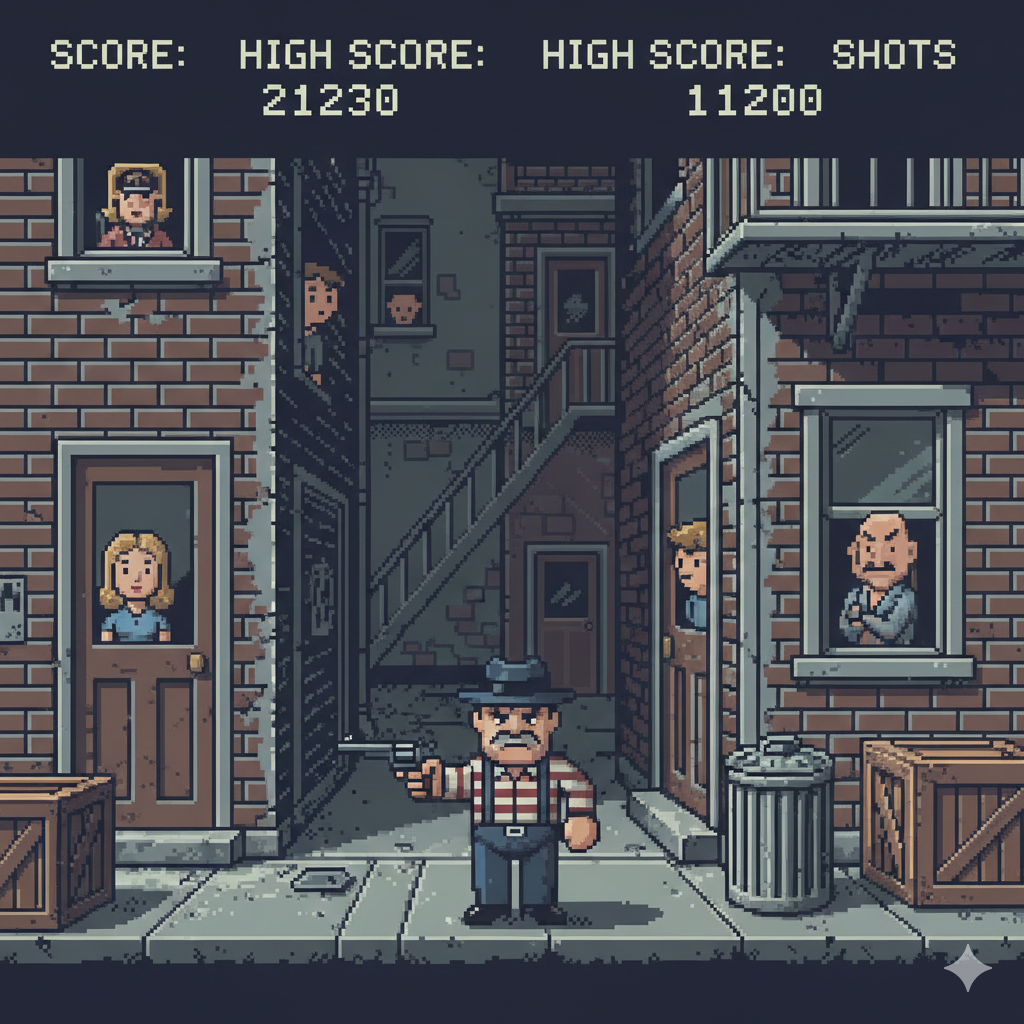
When examining the visual design of Nintendo’s Hogan’s Alley, one cannot overlook the game’s unique aesthetic choices that contributed significantly to its identity. Released in 1984, the graphics utilized a simplistic but charming pixel art style, consistent with the early days of gaming. The character designs were distinctive yet straightforward, featuring cartoonish depictions of various gang members and law enforcement figures. The main character was designed to embody a classic police figure, with a recognizable blue uniform, which framed the game’s theme of pursuing criminals in an urban setting.
The backgrounds in Hogan’s Alley were equally noteworthy, incorporating a suburban alleyway filled with various props such as garbage cans and boxes, reflecting the 1980s culture. The use of bright colors enhanced the visibility of characters against the backdrop. This strategic choice not only made gameplay intuitive but also prevented players from feeling overwhelmed. The limited yet vibrant palette helped to establish a recognizable and inviting atmosphere that distinguished Hogan’s Alley from its contemporaries, successfully supporting the overall narrative of urban law enforcement.
In terms of audio, Hogan’s Alley maintained a light-hearted and engaging soundtrack that perfectly matched the action occurring on-screen. The music was upbeat and catchy, inviting players to immerse themselves in the fast-paced nature of the game. Sound effects played a critical role as well. The audio cues for shooting, missed targets, and successful hits created an interactive experience, enhancing player engagement and providing immediate feedback. Each element was meticulously crafted to reinforce the sense of urgency that defined the gameplay, allowing the player to feel a deeper connection to the challenges presented. Overall, the visual and audio design of Hogan’s Alley were foundational to its lasting appeal and critical reception.
Cultural Impact and Reception
Upon its release in 1984, Hogan’s Alley quickly garnered attention within the gaming community, becoming a cornerstone title as an arcade light gun shooter. The game was praised for its innovative gameplay and charming graphics, which combined elements of shooting and strategy, allowing players to engage in a fun, interactive crime-fighting scenario. Critics praised its engaging mechanics, stating that it set a standard for future shooting games.
Sales figures for Hogan’s Alley reflected its popularity, with over 200,000 arcade units sold globally within the first year. This commercial success highlighted the appeal of arcade games during the mid-1980s. The emergence of home consoles further broadened its reach, as the game was later ported to the Nintendo Entertainment System (NES) in 1989, introducing the classic to an even larger audience. The NES version retained the core gameplay while enhancing the overall experience, solidifying its status within Nintendo’s catalog.
The game’s cultural impact extends beyond sales figures and critical reception. It became embedded in the memories of nostalgic gamers, often referenced in popular media. Various characters and scenarios from Hogan’s Alley, such as the infamous “shoot-or-don’t-shoot” decisions, have appeared in subsequent video games and helped to shape the genre. The title influenced later action shooters, inspiring developments in game design that focus on player choice and interaction. Furthermore, its light gun mechanics paved the way for numerous titles in the arcade and home console market, inspiring innovations in gameplay mechanics.
Legacy of Hogan’s Alley in Video Gaming
Released in 1984, Hogan’s Alley was not just a pioneering light gun game; it was a seminal moment in the evolution of video gaming. Developed and published by Nintendo, it showcased innovative mechanics that set the stage for future light gun games. By integrating an advanced targeting system and a unique urban setting inspired by classic crime films, Hogan’s Alley captured players’ imaginations and engaged them in an interactive shooting experience. Its influence can be seen in subsequent titles, such as Duck Hunt and Point Blank, which further explored the mechanics and thrill of light gun gameplay.
As one of the first games to utilize the Nintendo Zapper, Hogan’s Alley played a vital role in Nintendo’s rich gaming legacy. The game helped establish the Zapper as a household item and contributed to the early success of the Nintendo Entertainment System (NES). It illustrated the potential for light gun games within the home console market, paving the way for future innovations and expanding the gaming audience. The unique combination of gameplay and presentation in Hogan’s Alley cultivated an enthusiastic community, which supported Nintendo’s brand and its gaming offerings.
Over the years, Hogan’s Alley has received various re-releases and adaptations, ensuring its relevance in discussions surrounding classic video games. It has appeared in collections such as Nintendo’s Arcade Archives, allowing new generations of gamers to experience its timeless mechanics. Additionally, its nostalgia factor resonates in popular culture, often appearing in reference lists celebrating the best retro video games. As both a cultural artifact and a testament to innovative game design, Hogan’s Alley has firmly established its place in gaming history and continues to inspire developers in creating engaging light gun experiences.
Hogan’s Alley in the Competitive Gaming Scene
The competitive gaming landscape has evolved significantly over the years, with classic video games often bringing nostalgia and excitement back to both players and spectators. one such game that has found its niche in this community is Nintendo’s Hogan’s Alley, first released in 1984. With its engaging gameplay and iconic setting, this title has been embraced by retro gaming enthusiasts, invigorating interest in competitive play.
High scores in Hogan’s Alley have become a point of focus for many players, driving them to hone their skills and outperform others. Various platforms and leaderboards have emerged, showcasing the best performances. Players often share tips, strategies, and techniques, further enhancing the game’s competitive nature. Engaging on forums and social media, dedicated players have cultivated a vibrant community, all striving to achieve fame through impressive scores.
Moreover, tournaments featuring Hogan’s Alley are now more frequent, with events focusing on retro games gaining traction. These competitions often attract players from all backgrounds, united in their love for classic gaming. Skill-based tournaments allow these enthusiasts to showcase their mastery, often leading to competitive brackets where top players battle for titles or high scores. As more players join the scene, the excitement surrounding Hogan’s Alley grows, ensuring its place in the competitive gaming culture.
The resurgence of interest in retro gaming competitions reflects a broader trend where fans celebrate their gaming history. Games like Hogan’s Alley are not only played for entertainment but also for their position in the gaming legacy. With tournaments and contests fueling enthusiasm, it is clear that Hogan’s Alley has firmly established itself in the realm of competitive gaming, bridging generations of gamers through shared experiences.
Collectibility and Nostalgia
Nintendo’s Hogan’s Alley, released in 1984, has become a cherished piece of gaming history, drawing attention from collectors and nostalgic gamers alike. This classic arcade title is not only celebrated for its innovative gameplay but also for its strong nostalgic ties to the era when home video gaming began to flourish. Over the years, Hogan’s Alley has earned a special place in the hearts of those who experienced its pixelated charm firsthand, making it a quintessential representation of retro gaming culture.
The collectibility of Hogan’s Alley is primarily reflected in the demand for original physical copies of the game. Among collectors, the Nintendo Entertainment System (NES) cartridges, especially those in excellent condition, can command significant prices, underscoring the game’s lasting appeal. Enthusiasts often seek out boxed versions complete with manuals, illustrations, and promotional items, which hold additional value. This desire for physical copies has led to a burgeoning market for retro gaming memorabilia, where items such as posters, action figures, and themed merchandise further enrich the nostalgia surrounding Hogan’s Alley.
Nostalgia plays a vital role in the retro gaming market, driving collectors to seek out games that remind them of their formative years. Hogan’s Alley embodies a unique blend of challenge and simplicity, which evokes fond memories for many gamers who grew up during the 1980s. This sentimental connection drives prices higher as more individuals look to recapture the joy of their youth by acquiring memorabilia associated with the game. Consequently, Hogan’s Alley is not just another long-forgotten title; it is a symbol of an entire generation’s gaming experience, ensuring its continued relevance in today’s collector market.
Conclusion: The Enduring Appeal of Hogan’s Alley
In conclusion, Hogan’s Alley remains a significant landmark in the history of video games, particularly in the context of arcade shooters. Released in 1984, its innovative gameplay and engaging design captured the attention of players and set a precedent for future titles within the genre. The game’s emphasis on precision and reaction time allowed it to stand out amidst the competition, establishing itself as a beloved classic.
One of the key components contributing to Hogan’s Alley’s lasting popularity is its unique blend of action and strategy. Players were required not only to shoot at targets but also to discern between innocent bystanders and hostile threats, introducing an element of decision-making rarely seen in games at that time. This aspect not only heightened the excitement but also created a more immersive gaming experience, making it appealing to both casual players and gaming enthusiasts alike.
Moreover, Hogan’s Alley has been instrumental in shaping the cultural landscape of gaming. As one of the earliest examples of a light-gun shooter, it paved the way for future advancements in interactive gameplay. The game’s aesthetics, sound design, and user interface have influenced many subsequent shoots, showcasing its significant role in the evolution of video games.
As we reflect on the impact that Hogan’s Alley has had over the decades, it is essential to acknowledge that its charm continues to resonate with new generations of players. Whether one is a veteran of arcade gaming or discovering it for the first time, the appeal of this classic title remains undeniable. We invite our readers to share their own memories and experiences with Hogan’s Alley, as these narratives contribute to the rich tapestry of gaming history and the collective appreciation of such legendary titles.