
Introduction to Arkanoid: The Game That Redefined a Genre
Arkanoid, an iconic game that emerged in the early 1980s, has left an indelible mark on the realm of video gaming, particularly in the brick-breaking genre. Developed by Taito, Arkanoid first gained popularity as an arcade game that introduced players to an innovative concept: breaking bricks utilizing a paddle and a bouncing ball. The basic objective is straightforward—control the paddle at the bottom of the screen to keep the ball in play while strategically hitting and eliminating bricks arranged at the top. This simple yet addictive core mechanic has allowed Arkanoid to captivate a wide audience, making it a beloved classic.
The transition of Arkanoid from arcade systems to the Amiga platform marked a significant milestone in the game’s legacy. Upon its release on this home computer in 1987, players were introduced to enhanced graphics and sound, contributing to a richer gaming experience. The Amiga version retained the addictive gameplay elements while also benefiting from the system’s superior audio-visual capabilities, elevating the player experience even further. This adaptation not only solidified Arkanoid’s status as a timeless favorite but also set the stage for a multitude of ports and sequels across various gaming systems.
Arkanoid’s groundbreaking success led to the development of numerous spin-offs and clones, which echoed its fundamental mechanics. Many games released after Arkanoid attempted to replicate its successful formula, incorporating new elements and twists to keep the gameplay fresh. Consequently, Arkanoid not only defined a genre but also inspired a generation of game developers to explore and innovate within the brick-breaking framework, demonstrating its lasting influence in the gaming industry. As we delve deeper into Arkanoid’s features and its impact on gaming, we will uncover the aspects that made it a seminal title in video game history.
The Technical Aspects of Arkanoid on the Amiga
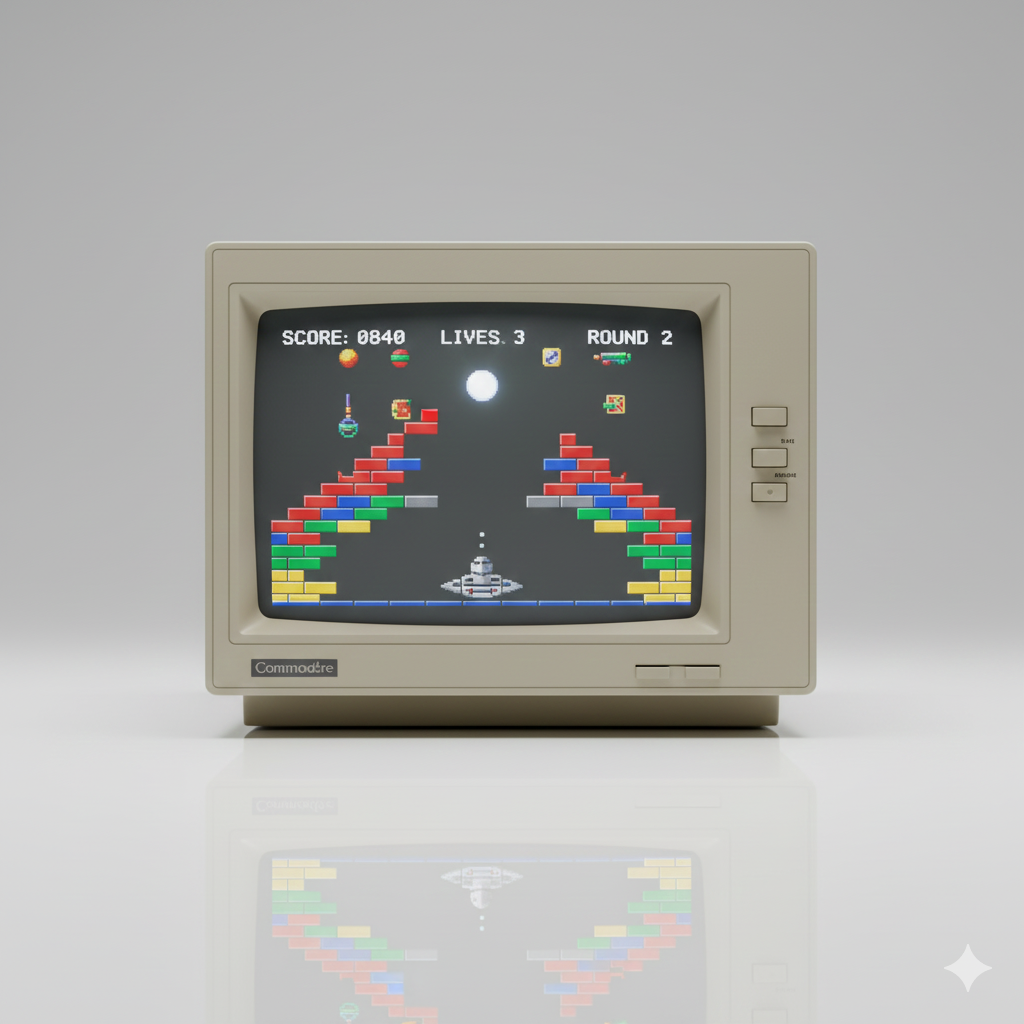
Arkanoid on the Amiga was a remarkable manifestation of the system’s capabilities, showcasing impressive technical specifications that greatly enhanced the gaming experience. The Amiga was known for its powerful graphics and sound systems, and Arkanoid utilized these features to create a vibrant and engaging atmosphere. The game’s graphics featured smooth animations and a colorful palette that brought the bricks and background to life, providing an immersive experience rare for its time.
With a resolution of 320×256 pixels, the visuals displayed on the Amiga captured the essence of the arcade experience while maintaining clarity and fluidity. The game’s character, the “Vaus,” displayed intricate details, contributing to its appeal and enhancing player attachment to the game’s objectives. Such visual prowess was made possible by the Amiga’s ability to handle multiple sprites and complex backgrounds in real-time, which set it apart from competitors.
Moreover, the sound effects and music in Arkanoid further elevated the gameplay. The Amiga’s sound chip, known for its capability to produce high-quality audio, allowed players to enjoy catchy soundtracks along with satisfying audio cues for each successful brick break. This auditory stimulation kept players engaged and intensified the overall gaming experience. The combination of fluid gameplay, stunning visual effects, and captivating audio created a memorable package that resonated with players.
In comparison to other systems of the same era, Arkanoid on the Amiga outperformed in terms of both graphics and sound, contributing to its enduring popularity among gamers. The synchronization of these technical elements resulted in a smooth gameplay experience, making Arkanoid a hallmark title in the library of Amiga games.
Cultural Impact and Legacy of Arkanoid on the Amiga
Arkanoid, originally released in 1986, emerged as a groundbreaking title within the realms of arcade gaming and home computing, particularly on platforms like the Amiga during the late 1980s and early 1990s. With its engaging gameplay and visually appealing graphics, Arkanoid provided players with a unique experience that not only captivated users but also became a cultural touchstone in the gaming community. This title paved the way for the modern puzzle and arcade genres, influencing both game design and player expectations in subsequent years.
The game’s mechanics, which combined elements of strategy and reflex-based challenges, inspired a plethora of sequels and similar titles. Many developers sought to replicate Arkanoid’s success by incorporating various innovative ideas and modifications. Games like Breakout, although released earlier, felt a renewed sense of relevance as Arkanoid brought them back into the spotlight, establishing a timeline of influence that would shape future developments in the genre.
Anecdotes from players further illustrate the impact Arkanoid had on gaming culture. Many reflect fondly on their experiences in bustling arcades, where the game served as a social hub and gathering point for friends and fellow gamers. Memories of competing for high scores or striving to advance to the next level are shared among players, underscoring the game’s community-focused environment. Furthermore, fan-made modifications and homages persist today, highlighting the enduring fascination with Arkanoid and its unique gameplay dynamics.
Ultimately, Arkanoid’s legacy is characterized by its significant contributions to gaming culture and design. It demonstrated that a simple concept could evolve into a game that leaves an indelible mark on the hearts of millions while continuing to influence new generations of game developers, ensuring its relevance in the ever-evolving landscape of video games.
The Future of Arkanoid: Remakes, Sequels, and Fan Projects
Since its original release, Arkanoid has left a considerable mark on the gaming landscape, inspiring numerous remakes and sequels that pay homage to the iconic brick-breaker game. The significance of Arkanoid continues to resonate within contemporary gaming culture, evidenced by an array of modern iterations that seek to capture the essence of the classic while introducing innovative gameplay mechanics.
Over the years, various developers have attempted to breathe new life into the Arkanoid franchise. Notable among these is Arkanoid: Eternal Battle, which presents a visually stunning and user-friendly interface while retaining the core gameplay elements that made the original so beloved. This latest iteration not only reintroduces the traditional mechanics but also incorporates new levels and power-ups, appealing to both nostalgic players and newcomers drawn by its engaging simplicity.
In addition to official remakes, a plethora of fan projects has emerged in the spirit of Arkanoid, showcasing the passion and creativity of the gaming community. These fan-made adaptations range from pixel art renditions to entirely different genres, all inspired by the original’s mechanics. Many of these projects host unique levels and adaptive challenges, often available as free downloads, which allow players to experience the timeless appeal of Arkanoid anew.
Moreover, developments in technology have enabled increased interactivity and engagement, as seen with the advent of virtual reality (VR). Some enthusiasts have taken to experimenting with VR adaptations of Arkanoid, enabling players to immerse themselves within the game in ways previously unimaginable. This evolution signifies not only the enduring relevance of Arkanoid but also highlights the adaptability of its fundamental gameplay elements.
As the gaming industry continues to evolve, the legacy of Arkanoid remains ever-present. Remakes, sequels, and fan projects exemplify how the core mechanics of this brick-breaker game can be reimagined, ensuring that its influence continues well into the future.