
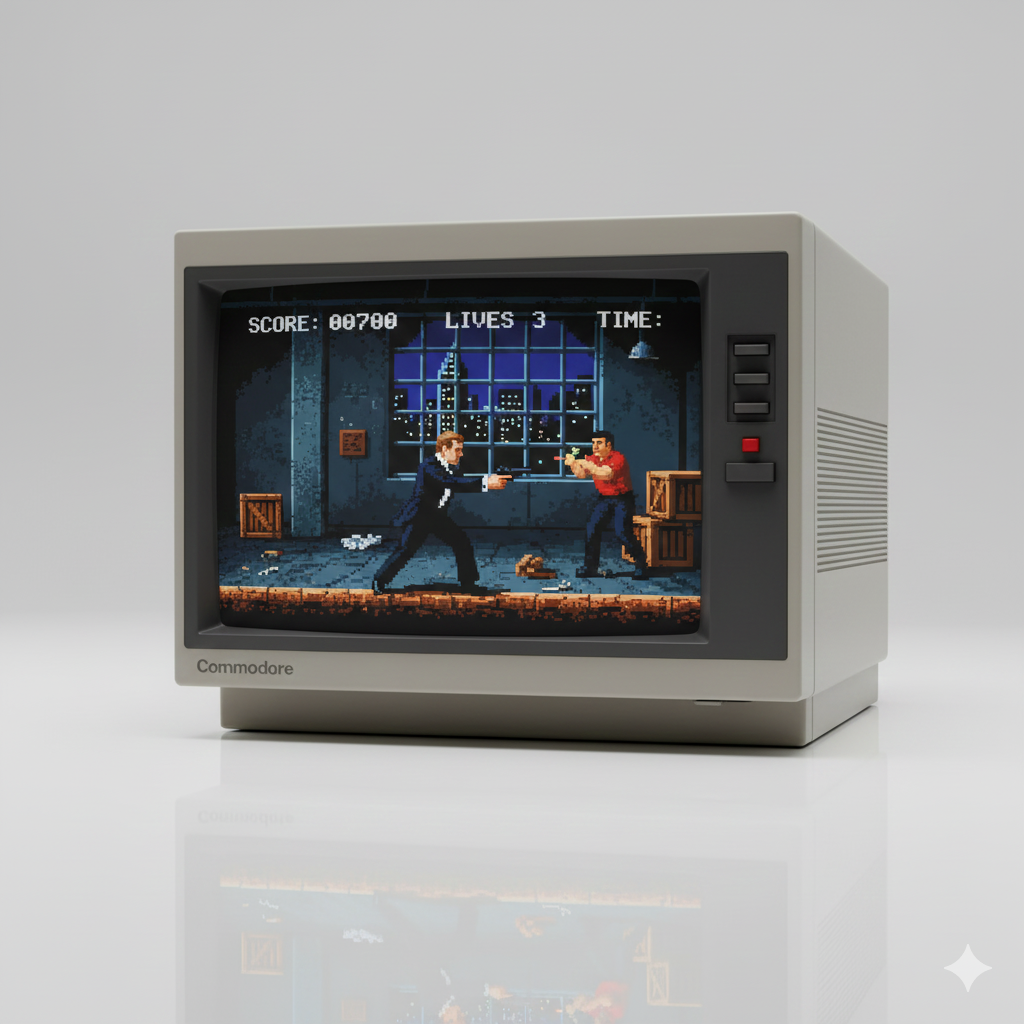
Introduction to 007 License to Kill
The video game 007 License to Kill is an adaptation of the iconic James Bond film originally released in 1989. This particular title surfaced in the gaming market in 1990, developed by the esteemed British company, Domark. The Amiga version, in particular, showcased the capabilities of the platform, drawing attention from both gamers and critics alike. The game’s release coincided with a period when the Bond franchise was experiencing a resurgence, which undoubtedly contributed to its initial popularity.
While the game was launched across multiple platforms including the Amiga, Atari ST, and DOS, the Amiga version is notably recognized for its enhanced graphics and sound quality, making it stand out as a premier choice for players. This adaptation takes players on a journey through a series of missions reflecting key moments from the film, allowing them to step into the shoes of the legendary secret agent, James Bond.
The development of 007 License to Kill involved extensive collaboration among various teams, aiming to capture the essence of the film while delivering engaging gameplay. Incorporating elements from both action and adventure genres, the game merges stealth, combat, and exploration, which are hallmarks of the Bond experience. However, upon its release, the game received mixed reviews, with critiques focusing on gameplay mechanics and level design. Nonetheless, it has been recognized as a significant entry in the Bond gaming canon, appreciated for its ambition and the attempt to translate the cinematic experience into an interactive format.
Plot and Gameplay Overview
In the realm of classic video games, “007 License to Kill” stands out as a title that effectively transports players into the role of the renowned secret agent, James Bond. Inspired by the 1989 film of the same name, the game presents a narrative that revolves around revenge and justice as Bond confronts the sinister drug lord, Franz Sanchez. Players are thrust into a world fraught with danger and espionage, tasked with foiling Sanchez’s nefarious plans while navigating through various perilous scenarios that evoke the thrill of being a spy.
The plot unfolds across diverse locations, capturing the essence of the espionage genre. Players assume Bond’s role in missions characterized by distinctive objectives, ranging from stealthily infiltrating enemy strongholds to engaging in high-octane vehicular chases. The game’s ability to blend cinematic storytelling with interactive gameplay creates an immersive experience, allowing players to feel like they are directly involved in Bond’s dangerous escapades. This narrative-driven approach ensures that each mission resonates with a purpose and enhances player engagement.
Gameplay mechanics are pivotal in ensuring that the experience remains thrilling and authentic to the secret agent persona. Bond’s arsenal includes various gadgets, from the traditional firearm to more innovative equipment tailored for infiltration missions. The controls are designed to be intuitive, allowing players to maneuver seamlessly through complex environments while adapting to the challenges presented in each level. Whether it’s utilizing cover during shootouts or mastering the art of stealth, every element is crafted to embody the characteristics that define a skilled secret agent.
Therefore, “007 License to Kill” not only captures the essence of the Bond franchise through its riveting plot but also enchants players with its intricate gameplay mechanics that profoundly establish the thrill associated with espionage activities.
Graphics and Sound Design
The graphics and sound design of “007 License to Kill” for the Amiga are integral components that contribute to the overall gaming experience. This title, developed in the late 1980s, showcases an art style that captures the essence of the iconic James Bond franchise. The character designs, environments, and animations reflect meticulous attention to detail, creating a visually appealing landscape that draws players into the action.
Upon loading the game, players are greeted with vibrant colors and well-crafted sprites that depict characters and settings familiar to fans of the film. The animation fluidity plays a vital role in immersing players in their missions. From the movement of characters to the engagement in combat sequences, the graphical presentation enhances the player’s connection to the narrative and gameplay. Each character’s nuanced expressions add depth, making interactions more engaging and realistic.
In addition to impressive graphics, the sound design is equally noteworthy. The game incorporates a soundtrack that elevates tension and excitement, with musical scores that evoke the thrilling atmosphere of a Bond movie. Sound effects are adeptly utilized to enrich gameplay; the sounds of gunfire, explosions, and environmental effects provide an auditory backdrop that complements the visual elements. Together, these aspects create a cohesive experience that captures the spirit of espionage and adventure.
Moreover, the integration of dialogue snippets and iconic music motifs enhances familiarity for fans, reinforcing the bond with the source material. The overall combination of striking graphics and impactful sound design works harmoniously to immerse players in the game’s world, ensuring a memorable gaming session.
Game Levels and Challenges
007 License to Kill for the Amiga features a range of levels that each presents unique settings, objectives, and challenges for players. The game draws inspiration from the James Bond film of the same name, allowing players to step into the shoes of the iconic secret agent as they navigate through various missions.
One of the notable aspects of 007 License to Kill is its diverse environments, spanning from tropical landscapes to dangerous urban settings. Each level is designed not just to test players’ reflexes, but also their strategic thinking. For example, the initial levels might focus on stealth and reconnaissance, whereas later levels often require quick thinking and rapid action. The transition in difficulty is apparent, as players must adapt their tactics to the increasing complexity of missions.
Players will encounter different enemies, each with varying levels of aggression and intelligence. For instance, in the early stages, opponents may patrol a defined area, while later challenges can include ambush tactics and rapid reinforcements. This design necessitates that players develop effective strategies, such as using cover effectively and selecting the right moment to engage or evade.
In addition to battling enemies, players must also complete objectives that vary from level to level. Some missions may require disarming explosives, collecting items, or even deciphering codes to unlock new areas. The vast array of challenges keeps the gameplay engaging and encourages players to think creatively about how to tackle each situation.
Overall, the levels in 007 License to Kill present an assortment of challenges that contribute to a dynamic gaming experience. By embracing the different strategies required for each stage, players can enhance their skills and fully immerse themselves in this classic Amiga title.
The video game landscape of the late 1980s and early 1990s featured a variety of James Bond adaptations, with each title offering distinct gameplay experiences and visual presentations. Among these, ‘007 License to Kill’ for the Amiga stands as an interesting case study, particularly when juxtaposed with other Bond games available on different platforms during that era. When evaluating ‘License to Kill’ against its contemporaries, several strengths and weaknesses emerge.
‘007 License to Kill’ distinguished itself through its relatively immersive narrative that drew inspiration from the film of the same name. The game provided players with a blend of action and strategic elements, enhancing player engagement. However, compared to the more cinematic offerings on consoles such as the Sega Genesis with games like ‘James Bond 007: The Duel’, the Amiga version faced limitations in graphics and sound quality. These factors could impact the overall player experience, particularly for those looking for a visually rich environment.
Conversely, the diverse mechanics featured in the Amiga’s ‘License to Kill’, including driving and shooting sequences, were well-received and showcased a variety of gameplay scenarios. In contrast, games like ‘GoldenEye 007’ on the N64 expanded this by delivering first-person shooter mechanics that fundamentally changed the genre, illustrating a significant evolution in Bond video game adaptations.
Ultimately, while ‘007 License to Kill’ occupies a unique position within the larger framework of Bond games, its appeal is mitigated by the advancements seen in later installments. When contextualized within the broader genre, this Amiga adaptation serves as a testament to the franchise’s adaptability while highlighting the ongoing evolution of video game narratives and mechanics influenced by cinematic storytelling.
Legacy and Cultural Impact
The release of ‘007 License to Kill’ on the Amiga marked a significant milestone in the realm of licensed video games. This title not only embraced the thrilling essence of the James Bond franchise but also set a precedent for how subsequent adaptations would shape the gaming landscape. The early 1990s was a pivotal era for action-adventure games, and ‘License to Kill’ played a crucial role in establishing a standard for narrative depth and character development, which became increasingly important for future titles.
One of the game’s notable legacies is its approach to gameplay mechanics, particularly the incorporation of elements that would later become staple features in the action-adventure genre. The blend of action sequences with strategic elements encouraged players to engage more thoughtfully with the environment, rather than simply relying on reflexes. This interplay has influenced numerous titles that followed, as the industry gradually moved towards a more immersive storytelling method, emphasizing player choice and consequence.
The impact of ‘007 License to Kill’ also resonates in its cultural significance. Fans of the franchise remember it fondly, as it captures the spirit of the Bond films during that era. Critics have often noted how the game succeeded in translating the excitement of the movies into a playable format, which helped to establish an enduring connection between gamers and the Bond legacy. As newer titles in the Bond gaming series were released, the foundation laid by ‘License to Kill’ can be seen in various mechanics and storytelling approaches utilized today.
Overall, ‘007 License to Kill’ remains a significant title within the annals of gaming history. It has contributed to shaping the perception of licensed games and enforced the idea that they could be both commercially successful and critically acclaimed, a notion that paved the way for future cinematic adaptations in video games.
Community and Fan Reception
The release of 007 License to Kill on the Amiga platform in 1990 elicited a range of responses from its gaming community. Initially met with enthusiasm, the game quickly became a topic of discussion in various fan forums. Over the years, particularly during the resurgence of interest in retro gaming, the community’s perspective on the game has evolved. Nostalgia plays a significant role in how players remember their experiences, and this title has found its place among classic Amiga games.
Fan forums and online discussions often highlight the engaging gameplay and its connection to the James Bond franchise. Players who experienced the game during its original release often share fond memories of thrilling missions and the charming graphics, which, for their time, were quite impressive. As the gaming landscape has transformed, the retrospective reviews showcase a blend of affection and critical analysis, revealing how players’ expectations have shifted over the years.
Retrospective articles about 007 License to Kill offer a deeper insight into how perceptions have changed. Some reviews praise the game for its innovative approach to the action-adventure genre on the Amiga, whereas others point out its limitations in comparison to modern titles. This dialogue hints at a sense of community among fans who revisit the game not only to play but also to share their thoughts and recommendations with new players. Today, the legacy of 007 License to Kill endures, as both a nostalgic artifact for longtime fans and an intriguing puzzle for newcomers exploring the depths of Amiga’s gaming history. The continued support and engagement from the community highlight the game’s lasting impact within the realm of classic Amiga titles.
Tips and Tricks for Players
“007 License to Kill” on the Amiga provides players with an exciting blend of action and strategy, making it important for both newcomers and veterans to develop effective gameplay strategies. To master this game, players should focus on understanding the environment and utilizing their surroundings to their advantage. One fundamental tip is to familiarize yourself with the game controls; knowing how to navigate, shoot, and interact with the environment is key to getting ahead.
As you progress through different levels, keep an eye out for power-ups that can significantly aid in your gameplay. These power-ups vary from extra life to enhanced weapons, and collecting them at the right moment can turn the tide of battle. Additionally, learning the layout of each level can be highly beneficial. Many players recommend exploring every nook and cranny as some levels hide Easter eggs that offer rewards or shortcuts, allowing for a more streamlined experience.
For those seeking an edge, cheat codes can provide a fun and unique way to experience the game. Incorporating codes can unlock special features, such as unlimited ammunition or invulnerability, which can be a lifesaver during challenging sections. However, it is essential to balance using these cheats with fair play, especially when aiming for high scores.
Finally, honing your timing and reaction skills can make a notable difference in your ability to evade enemies and complete treacherous tasks. Practice makes perfect, and mastering timing will enhance overall gameplay, leading to better performance against tougher opponents. With these tips and tricks, players can confidently navigate the world of “007 License to Kill” and enjoy the adventure at their own pace.
Conclusion and Final Thoughts
In reflecting upon the significance of 007 License to Kill, it is essential to recognize its impactful role within the realm of video gaming. Released during the peak of James Bond’s popularity, this game not only captured the essence of the iconic film but also contributed to the evolution of action-adventure games. Players were introduced to a combination of strategic gameplay and immersive storytelling, which set a precedent for future titles within the genre.
The intricate design and the ability to engage in various missions resonated with players, making 007 License to Kill a memorable experience. Its allure stemmed not only from its connection to a beloved franchise but also from the innovative gameplay mechanics that kept players engaged. As gaming technology progressed, this title served as a critical stepping stone that influenced countless other games that followed.
As we conclude our exploration of 007 License to Kill, we encourage readers to reflect on their own experiences with this classic game. Whether your memories are filled with thrilling moments of gameplay, tactical strategies, or simply an appreciation for its nostalgic value, your insights can contribute to the rich tapestry of the game’s legacy. We invite you to share your thoughts and experiences in the comments section below. Engaging in discussions about such influential titles not only fosters a sense of community but also ensures that the legacy of games like 007 License to Kill continues to be celebrated in the annals of gaming history.