
The Origins of Final Fantasy
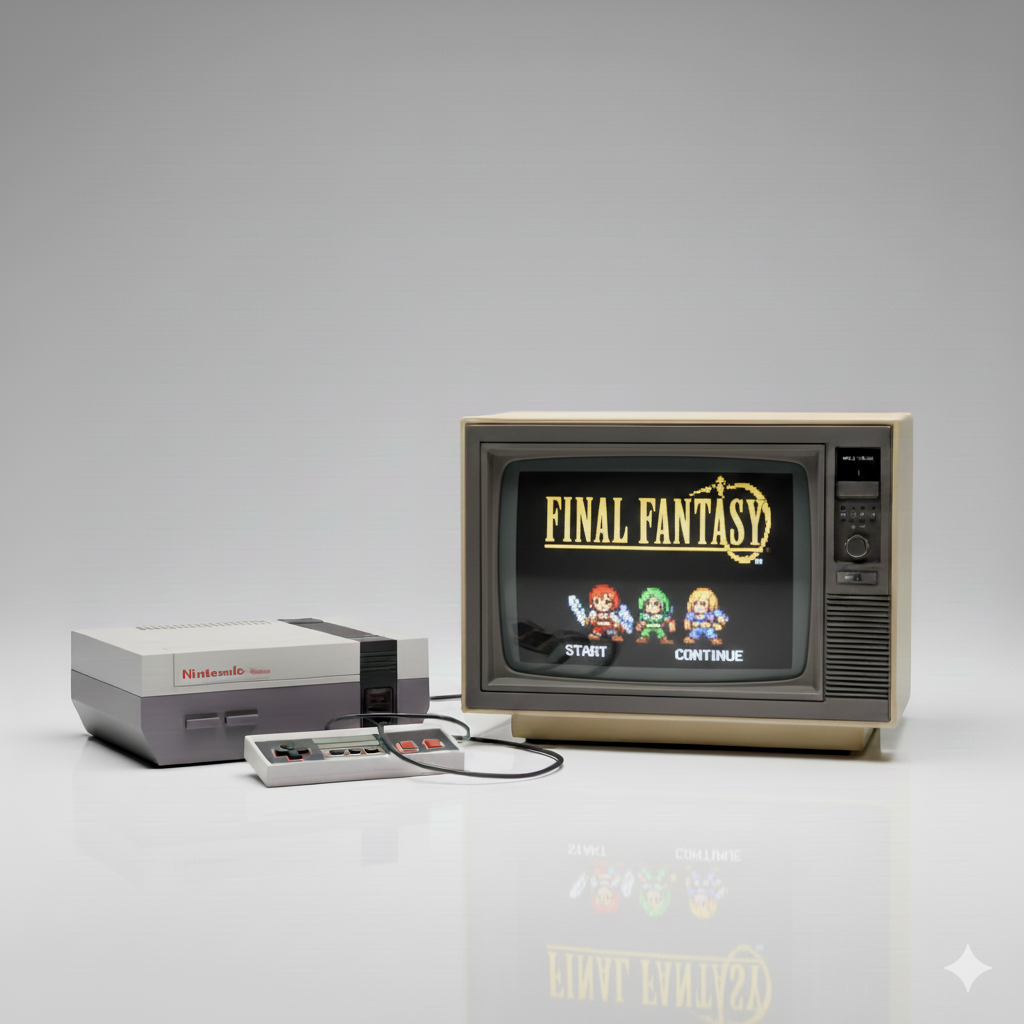
The video game industry in the early 1980s was burgeoning, yet fraught with challenges. It was during this dynamic period that Hironobu Sakaguchi and his team at Square began working on a project that would not only mark their expansion but also serve as a homage to role-playing games. Originally conceived as a last-ditch effort to save the company from financial ruin, Sakaguchi titled the game “Final Fantasy” under the impression that it would be their final project.
The production of Final Fantasy was marked by numerous hurdles, including limited technology, budget constraints, and tight deadlines. This culminated in a passionate effort from the team at Square, who forged ahead against all odds to create a game that incorporated intricate narratives and character development, settings that deviated from the prevalent arcade-style games of the time. They envisioned a multi-layered world, rich with lore and complex characters, something that would resonate deeply with players.
Upon its release in December 1987, Final Fantasy was initially met with moderate success in Japan. However, its charming blend of storytelling, tactical combat, and unique gameplay mechanics quickly garnered it a dedicated following. The game transcended its initial reception, establishing a firm foundation for what would become one of the most successful franchises in gaming history. Final Fantasy, as it turned out, was not just a final project—it was the catalyst for an entire genre’s evolution in role-playing games.
Over the years, the franchise has expanded, introducing sequels, spin-offs, and adaptations across various platforms. Each installment has continually built on the hallmark principles of creativity and innovation established by Sakaguchi’s original vision, ensuring that the legacy of Final Fantasy remains influential in shaping the future of video gaming.
Gameplay Mechanics and Features
The gameplay mechanics of the classic NES game, Final Fantasy, represent a significant advancement in the role-playing game (RPG) genre at the time of its release. Central to the game is its turn-based combat system, which allows players to strategize their actions during battles. This system provided a thoughtful approach to combat that emphasized planning and execution, setting a foundation that many future RPGs would adopt and refine.
Character classes play a crucial role in gameplay, with players beginning their journey by selecting from an array of classes such as Warrior, Mage, and Thief. Each class possesses unique abilities and strengths, which not only contribute to individual play styles but also encourage players to form balanced parties. The importance of character classes in Final Fantasy demonstrates the game’s innovation in offering customization and depth, aspects that have become essential in later RPGs.
The magic system further enhances gameplay, allowing players to learn and cast spells through a points system. This system ensures that spellcasting is a calculated decision, balancing the usage of magic with the necessity of conserving resources for tougher encounters. Moreover, the overall quest structure is characterized by an engaging narrative, quests, and increasingly challenging dungeons that guide players through a well-crafted world. This overarching design not only shaped player experience but also inspired subsequent games in the genre.
Final Fantasy’s mechanics are instrumental in establishing not just its identity, but also influencing the evolution of RPGs as a whole. The intricate balance of turn-based combat, character progression, and engaging storytelling paved the way for a multitude of successors that would follow. The impact of these core features continues to be felt in modern RPGs, showcasing the game’s lasting legacy and significance in the gaming industry.
Cultural Impact and Legacy
Final Fantasy, originally released for the NES in 1987, has left an indelible mark on the landscape of video gaming and popular culture. Its influence on game design is profound; through its innovative mechanics, such as turn-based combat and character development, it has inspired countless titles in the role-playing game (RPG) genre. The series effectively redefined what storytelling and character arcs could be in gaming, moving beyond simplistic plots to complex narratives filled with emotional depth. This has changed the expectations of players, establishing a standard for future games.
The success of Final Fantasy did not merely stop at its initial release. The franchise has spawned numerous sequels, prequels, and spin-offs, cementing its place as a prominent figure in gaming history. Notable titles like Final Fantasy VII and Final Fantasy X expanded upon the original’s concepts, introducing new gameplay elements and storylines that attracted a diverse audience. The charismatic characters introduced in these games, such as Cloud Strife and Tifa Lockhart, became icons themselves, fostering a dedicated fanbase that continues to thrive today.
Moreover, Final Fantasy played a crucial role in popularizing Japanese role-playing games (JRPGs) in Western markets. During the late 1990s and early 2000s, the franchise’s reach contributed significantly to a burgeoning interest in JRPGs among gamers outside of Japan. By showcasing narrative techniques and immersive gameplay, Final Fantasy bridged cultural gaps, increasing the visibility of similar games. Today, its legacy is not only seen in the expansive state of the RPG genre but also in references across various forms of media, including films, anime, and merchandise, further solidifying its status as a cornerstone of modern gaming culture.
Final Fantasy Today: The Franchise’s Evolution
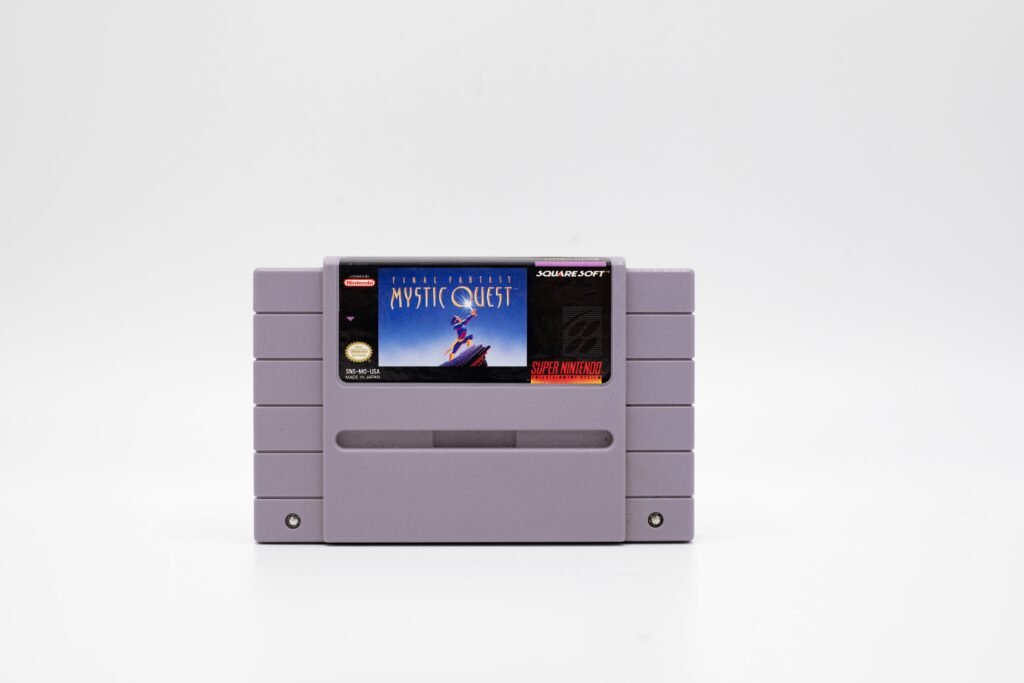
The Final Fantasy franchise, which began its journey on the NES in 1987, has undergone a remarkable transformation over the decades, evolving in both scope and gameplay mechanics. Initially marked by its turn-based combat and epic storytelling, each subsequent installment has embraced technological advancements to enhance player experience and narrative depth. The move from 2D to 3D graphics was monumental, starting with Final Fantasy VII on the PlayStation, which popularized the franchise globally and introduced elements such as fully-voiced characters and cinematic storytelling.
As the franchise grew, each title adapted and built upon the core concepts introduced in the original game, including the importance of character development, intricate world-building, and an engaging battle system. For instance, Final Fantasy X featured voice acting and a turn-based system revamped with the Conditional Turn-Based Battle (CTB) system, while Final Fantasy XIV took the series into the realm of MMORPGs, drawing millions into its rich, expansive universe.
Recent entries such as Final Fantasy XV and the much-anticipated Final Fantasy VII Remake have further illustrated the series’ willingness to innovate. The Remake, in particular, has been praised for its modern combat system and stunning graphics while honoring the original story and character arcs. As new installments continue to emerge, including mobile games and spin-offs, the franchise maintains its relevance, appealing to both veteran fans and newcomers alike.
The merchandising aspect of Final Fantasy has also flourished, with merchandise ranging from action figures to clothing, reinforcing its cultural significance. Furthermore, upcoming projects like the Final Fantasy XVI promise to expand the narrative and gameplay experiences in new directions. As the franchise evolves, its legacy continues to resonate, proving that classic influences can coexist with contemporary innovation.