
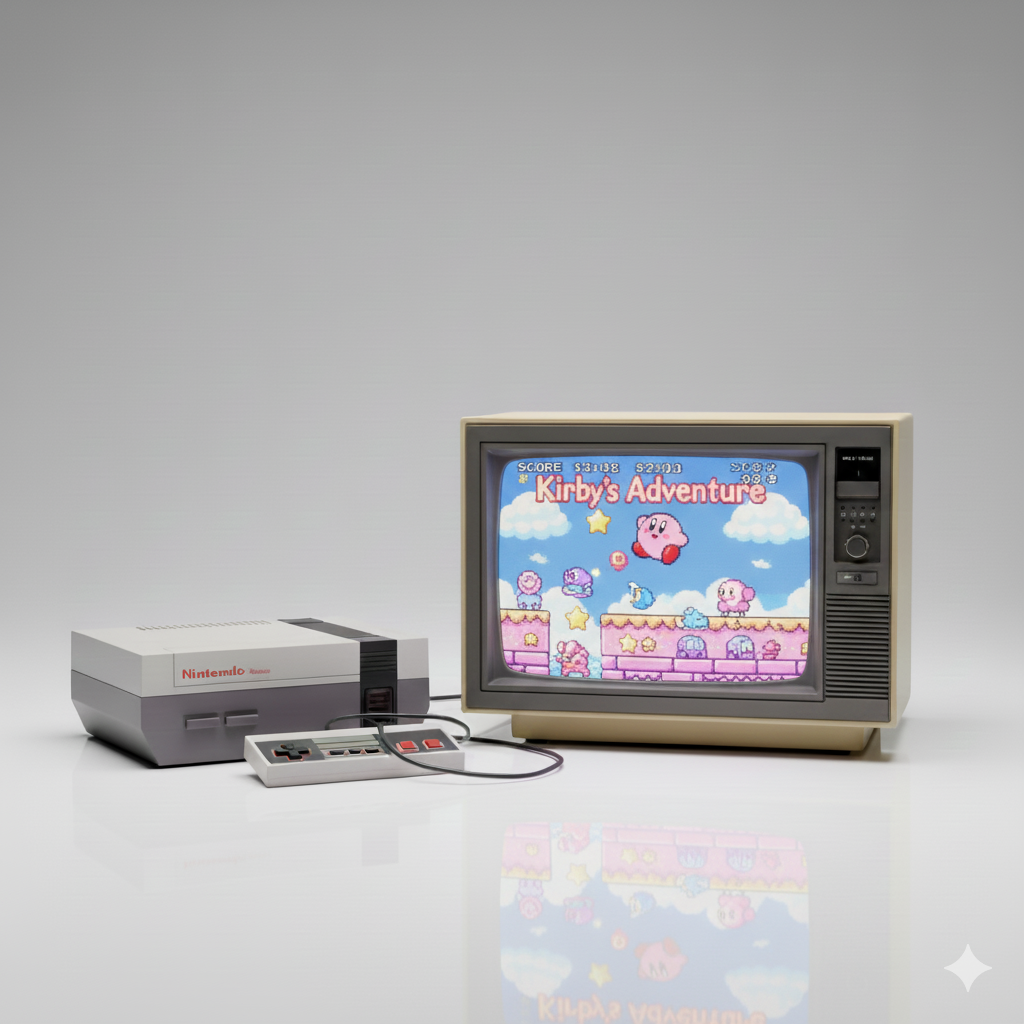
Introduction to Kirby’s Adventure
Released in 1993 for the Nintendo Entertainment System (NES), Kirby’s Adventure marked a pivotal moment in gaming history. Developed by HAL Laboratory, the game introduced players to the whimsical and vibrant world of Kirby, a character that quickly became a beloved icon within the Nintendo franchise. The title served as a significant enhancement to the original Kirby’s Dream Land, which was designed for the Game Boy. Notably, Kirby’s Adventure was remarkable for its graphical advancements, utilizing the NES hardware to display rich colors and smooth animations, a feat that greatly expanded the visual potential of home console gaming at the time.
The significance of Kirby’s Adventure extends beyond its technical achievements; it played a crucial role in the evolution of platforming games. The innovative mechanics introduced in this game, particularly the ability for Kirby to absorb enemies and take on their abilities, set a benchmark for creativity and gameplay variety. This unique feature not only offered an engaging experience but also laid the groundwork for the numerous sequels and spin-offs that would follow, solidifying Kirby’s status as a mainstay of the gaming landscape.
Moreover, this title is often credited with ensuring the viability of the Kirby franchise during a time when competition in the gaming industry was intensifying. Its success demonstrated HAL Laboratory’s commitment to developing innovative and engaging gameplay experiences, further contributing to the overall legacy of the NES. In essence, Kirby’s Adventure is not merely a nostalgic entry in video game history; it is a landmark title that reflects the changing landscape of gaming and continues to influence game design and development today.
Gameplay Mechanics of Kirby’s Adventure
Kirby’s Adventure, released for the NES in 1993, introduced groundbreaking gameplay mechanics that set a new benchmark in platform gaming. At the heart of this title lies Kirby’s signature ability to inhale enemies and absorb their powers, a feature known as the Copy Ability. This unique mechanic allows players to consume various foes, each granting Kirby distinct skills that can be used strategically throughout the game.
The diverse range of powers not only enhances combat but also influences level navigation and puzzle-solving. For instance, by inhaling a fire-based enemy, Kirby can breathe fire to overcome obstacles that require a flame. This dynamic interplay encourages players to experiment with different abilities, fostering creativity and adaptation as they progress through various worlds and levels.
The levels in Kirby’s Adventure are meticulously designed, offering both linear paths and hidden areas that reward exploration. Players encounter a vibrant array of environments, from lush green fields to rainbow-themed platforms floating in the sky. Each world is tailored with its unique aesthetic and challenges, ensuring that the gameplay remains engaging and varied. Moreover, the inclusion of mini-games and collectibles adds depth to the gameplay loop, motivating players to revisit levels for additional rewards.
Another notable feature is Kirby’s health system, represented by a life meter that can be replenished by consuming food items scattered throughout the levels. This mechanic introduces a strategic layer to gameplay, as players must balance the risk of engaging stronger enemies against the need to maintain their health. Overall, the innovative gameplay mechanics in Kirby’s Adventure contribute to a well-rounded gaming experience, appealing to both casual players and platforming veterans alike. The combination of the Copy Ability, level design, and health management creates a unique and memorable adventure that continues to resonate with gamers today.
Visual and Audio Design in Kirby’s Adventure
Kirby’s Adventure for the Nintendo Entertainment System (NES) is an exemplary representation of how vibrant graphics and an engaging soundtrack can significantly enhance the gaming experience. Released in 1993, the game’s art style showcases colorful graphics that bring the whimsical world of Dream Land to life. The character designs, notably Kirby himself, are simple yet endearing, contributing to the overall charm of the game. Kirby’s round shape and bright pink hue create an instantly recognizable mascot that resonates with players of all ages.
The animation in Kirby’s Adventure is fluid, incorporating smooth transitions and lively movements that accentuate the playful nature of the game. Each character exhibits distinct animations that are not only visually appealing but also serve to express their personalities. For instance, Kirby’s ability to inhale enemies and transform into various forms is showcased through a series of imaginative animations that delight players as they explore the different levels. The attention to detail in these animations adds depth to the gameplay, making each encounter feel fresh and engaging.
Complementing the visual design is the distinctive musical score, which perfectly mirrors the whimsical and adventurous atmosphere of the game. The catchy tunes and cheerful sound effects enhance the overall experience, marking each level with its own unique auditory signature. The background music in Kirby’s Adventure is memorable, elevating the sense of immersion as players navigate through vibrant landscapes filled with challenges. The soundtrack serves not only to entertain but also to enrich the storytelling, creating an emotional connection between players and the game.
The Storyline and Characters in Kirby’s Adventure
The narrative arc of Kirby’s Adventure unfolds in the whimsical realm of Dream Land, where peace is disrupted by the theft of the Star Rod, the source of all wishes. This event triggers Kirby, the brave pink protagonist, to embark on a journey to restore harmony to his beloved home. The plot initiates as the villainous King Dedede, the self-proclaimed ruler of Dream Land, seizes the Star Rod, fragmenting its power and scattering its pieces across the land. Kirby’s mission is clear: he must venture through various locales filled with challenges in his quest to reclaim the missing shards and ultimately confront King Dedede.
Throughout Kirby’s adventure, players are introduced to a host of charming characters that enrich the game experience. These supporting characters play pivotal roles either as allies or comical side characters. One notable friend is Meta Knight, a mysterious swordsman who often challenges Kirby but ultimately has his own motives tied to the greater conflict. Another memorable character is King Dedede himself, who, despite being the antagonist, showcases a humorous personality that adds depth to the storyline. The interactions between Kirby and these characters emphasize the playful dynamics and the light-hearted tone that define the game’s atmosphere.
As Kirby traverses through various levels, including luscious fields, eerie castles, and high mountains, he encounters a plethora of enemies, many of whom he can absorb to gain their unique abilities. This aspect not only enhances Kirby’s capabilities but also adds strategic depth to the gameplay, offering players a variety of combat styles and challenges. Overall, Kirby’s Adventure presents a delightful fusion of whimsical storytelling and captivating character interactions, making it a hallmark of NES gaming that resonates with audiences of all ages.
Impact on the NES and Gaming Community
Released in 1993, Kirby’s Adventure for the Nintendo Entertainment System (NES) marked a transformative moment in 8-bit gaming. This title significantly broadened the horizons of what players could expect from the NES platform, showcasing innovative gameplay mechanics and remarkable graphics for its time. Using a vibrant color palette and imaginative character designs, the game stood out against other titles available, demonstrating the NES’s capacity for complex graphics and storytelling.
The game’s introduction of the unique Copy Ability, allowing Kirby to absorb enemies and utilize their powers, provided a level of creativity and versatility rarely seen in platformers. Players were no longer confined to a single set of abilities; instead, they could adapt to various challenges by employing different strategies. This mechanic not only enhanced gameplay but also encouraged exploration of the game’s colorful worlds, fostering a deeper connection between players and the characters they controlled.
A critical component of Kirby’s Adventure’s legacy lies in its reception within the gaming community. The game was applauded by critics and fans alike, earning high scores and praise for its engaging gameplay and charming aesthetics. It played a vital role in the early 90s transition from 8-bit to 16-bit gaming, solidifying Nintendo’s reputation for innovative and entertaining titles. Moreover, the enthusiasm generated by Kirby’s Adventure extended beyond its initial release; it influenced subsequent game design and inspired a series of follow-up titles across various platforms.
In essence, Kirby’s Adventure was more than just a game; it was a pivotal moment in the gaming landscape, illustrating how creativity and design could reshape player experiences for the better. Its impact is still felt today, as it laid the groundwork for a franchise that continues to resonate with audiences, ensuring Kirby’s place in gaming history.
Secrets and Easter Eggs in Kirby’s Adventure
Kirby’s Adventure for the NES is renowned not merely for its charming graphics and gameplay mechanics but also for a plethora of hidden secrets and Easter eggs that greatly enrich the player’s experience. As players progress through the Dreamland, they will uncover numerous special abilities and secret levels that offer a refreshing change of pace, enhancing the overall gameplay and encouraging thorough exploration.
One of the most notable features in Kirby’s Adventure is the copy ability, which allows Kirby to absorb enemy powers. However, buried within the game’s design are several unique copy abilities that can only be accessed under specific circumstances. For instance, players can discover the “Stone” ability by inhaling certain enemies, which is not only entertaining but opens up new strategies for level completion. Additionally, some levels contain hidden areas filled with maxim tomatoes, power-ups that, when collected, significantly bolster Kirby’s strength.
Another intriguing aspect of gameplay is the presence of secret levels, which are often tucked away from plain view. Players who remain vigilant and explore every corner of the vibrant worlds can stumble upon these hidden gems. For instance, in World 2, players may find a secret door that leads to a bonus stage filled with extra lives, enhancing the overall excitement and reward of exploration. Besides, by completing challenges and mini-games scattered throughout the game, players can earn rare abilities or unlock further Easter eggs, ultimately showcasing the intricacy of the game design.
In essence, Kirby’s Adventure is not just a journey through an enchanting world but also a treasure trove of secrets that await those willing to explore. The hidden abilities, secret levels, and rewarding surprises are integral to the game’s charm, ensuring that adventure enthusiasts will have much to discover long after their initial playthrough. Each secret contributes to the richer narrative fabric that makes Kirby’s Adventure a timeless classic in video game history.
The Legacy of Kirby’s Adventure
Released in 1993, Kirby’s Adventure marked a significant milestone in the history of video games. As a groundbreaking title for the NES, it introduced innovative gameplay mechanics that reshaped the platforming genre. One of the most notable features was the “copy ability,” which allowed Kirby to absorb enemies’ powers, offering players a dynamic and versatile gameplay experience. This innovation not only defined Kirby’s character but also set a new standard for future games within the franchise and across other platformers.
Building upon its success, Kirby’s Adventure has inspired numerous sequels and remakes that celebrate its legacy. The game laid the groundwork for subsequent titles, including Kirby Super Star and Kirby: Triple Deluxe, which further explore and expand on the copy ability concept. These sequels retain the core mechanics that fans cherish while introducing new characters, worlds, and gameplay styles, ensuring that Kirby’s legacy thrives with each iteration.
Beyond the direct sequels, the influence of Kirby’s Adventure is evident in the wider gaming community. The mechanics pioneered by this title have been seen in various platformers over the years, allowing developers to experiment with copycat abilities and power systems. Games like Yoshi’s Crafted World and Celeste showcase elements reminiscent of Kirby’s gameplay style, further highlighting how a single title can inspire an entire generation of games.
Additionally, remakes such as Kirby’s Adventure Deluxe for modern consoles keep the essence of the original alive while updating graphics and gameplay for new audiences. The enduring popularity of Kirby’s Adventure speaks to its remarkable design and the way it resonates with players, old and new. This legacy positions Kirby not just as a beloved character but as a pivotal figure in the evolution of platform gaming.
Fan Community and Cultural Impact
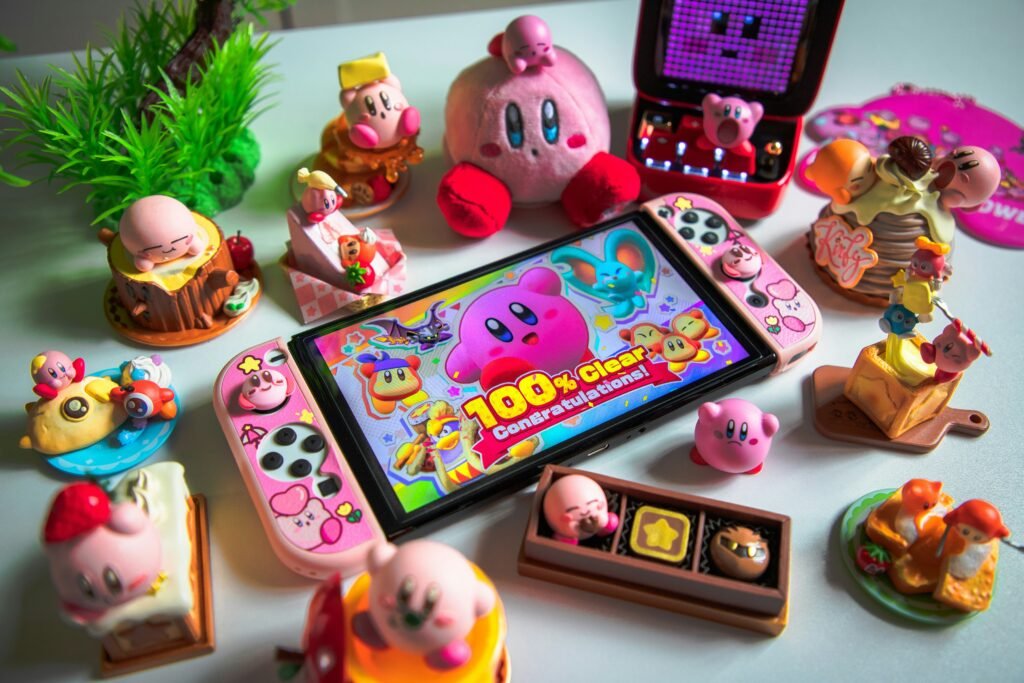
The vibrant fan community surrounding Kirby’s Adventure reflects the game’s enduring legacy and its significant cultural impact within the gaming industry. Since its original release on the NES, this beloved platformer has nurtured a passionate fanbase that continues to grow. One of the most notable aspects of this community includes the widespread creation of fan art. Artists from around the globe share their interpretations of Kirby and his adventures, engaging audiences and fostering creativity. This artistic expression not only celebrates the characters and environments from the game but also creates a sense of camaraderie among fans.
Another fascinating aspect of the Kirby community is the prevalence of speedruns. Enthusiasts of the game participate in this competitive category, showcasing their gaming skills and strategies to complete the game in the shortest time possible. Platforms like Twitch have enabled speedrunners to broadcast their attempts live, drawing in viewers and sparking discussions around techniques and game mechanics. The speedrunning community’s dedication to Kirby’s Adventure is a testament to the game’s design, as it offers a unique challenge that keeps players engaged long after their initial experiences.
Moreover, various community events, including tournaments and fan gatherings, further solidify the cultural impact of Kirby. These events often celebrate the nostalgia associated with the game while introducing new players to its charm. Through organized competitions and community activities, the spirit of Kirby’s Adventure continues to thrive, uniting fans across generations. The lasting influence of Kirby in popular culture demonstrates that this classic title is much more than just a game; it is a shared experience that continues to touch the hearts of gamers today.
Conclusion: The Enduring Charm of Kirby’s Adventure
Kirby’s Adventure for the NES stands as a testament to the creativity and innovation that defined its era. Released in 1993, it introduced players to a captivating world filled with vibrant colors, imaginative levels, and the unique ability to absorb enemies’ powers. This mechanic not only added depth to the gameplay but also exemplified the charm that has made Kirby a beloved character in the gaming community.
The game’s ability to cater to both novice and experienced players has contributed to its lasting appeal. The charm of Kirby’s Adventure lies not just in its game mechanics, but also in the delightful art style, whimsical soundtrack, and the sense of adventure it imparts. These elements combine to evoke a nostalgia that resonates with those who played it upon its initial release and continues to capture new audiences.
For many, revisiting Kirby’s Adventure can be akin to rediscovering a childhood friend; it reminds players of a simpler time in gaming while offering a fun escape into its charming universe. The continued relevance of Kirby in modern gaming reflects the timelessness of the game, and its influence can be seen in various titles that followed. As this iconic character celebrates his legacy, many are encouraged to embrace or rediscover the magic of Kirby’s Adventure.
In conclusion, Kirby’s Adventure is more than just a classic NES game; it is an emblem of a creative peak in the industry and a reminder of the joy that video games can bring. Whether you are diving back into this nostalgic game or discovering it for the first time, the enduring charm of Kirby’s Adventure ensures that it remains a delightful experience for players of all ages.