
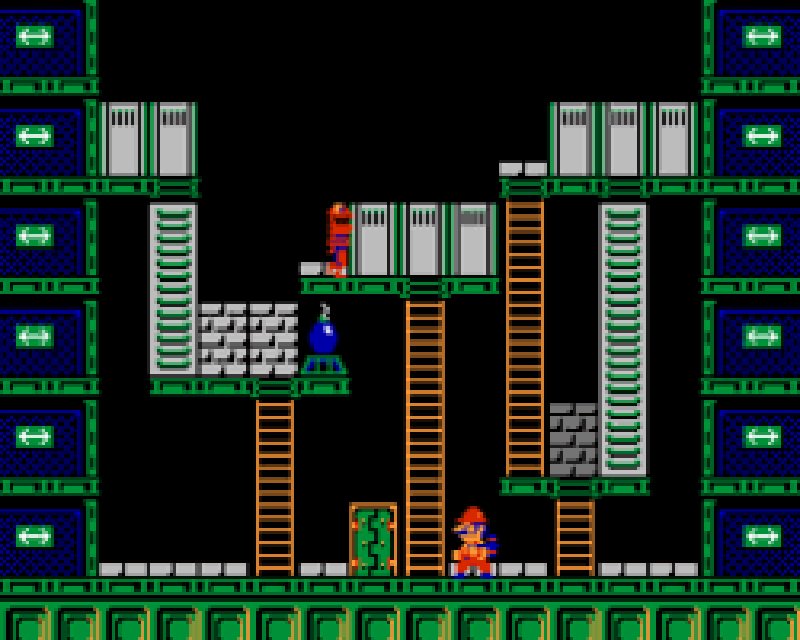
Introduction to Wrecking Crew
Released in 1985, Wrecking Crew was a landmark title for Nintendo, standing out as one of the earliest examples of the puzzle platformer genre. The game was initially developed for the Nintendo Entertainment System (NES), showcasing innovative gameplay mechanics that laid the groundwork for several future Nintendo classics. With its unique combination of platforming elements and strategic gameplay, Wrecking Crew gained considerable popularity shortly after its release, attracting both casual players and avid gamers.
Wrecking Crew allows players to control a character named Mario, who is tasked with demolishing buildings while avoiding various hazards and enemies. The game’s design prompted players to think critically and plan their moves carefully, as each level presented unique challenges and obstacles. This requirement for strategic thinking helped to establish a distinct brand of gameplay that would resonate with players, influencing the design of subsequent titles in the Nintendo catalog.
The aesthetics of Wrecking Crew also played a significant role in its appeal. The game’s colorful graphics and charming characters attracted a young audience, while its addictive gameplay kept players engaged for hours. As one of the early Nintendo titles available in North America, Wrecking Crew not only showcased the technical capabilities of the NES but also contributed to the platform’s success. Its combination of inventive design, strategic gameplay, and engaging visuals solidified its place in video game history.
Moreover, Wrecking Crew’s success served as a precursor to many other puzzle and platforming games in the Nintendo portfolio, illustrating the company’s commitment to innovation in game design. By providing a robust gaming experience within a relatively simple premise, Wrecking Crew ensured its legacy would endure in the memories of generations of gamers.
Gameplay Mechanics and Features
Released in 1985, Wrecking Crew stands out for its unique gameplay mechanics that revolve around the demolition of buildings. Players assume the role of a construction worker tasked with dismantling various structures while facing multiple obstacles and enemies. The primary objective is to break down all the bricks in each level within a specified time limit, testing both the player’s speed and strategy.
Control in Wrecking Crew is straightforward, utilizing a joystick for movement and a button for demolition actions. Players can explore different strategies, choosing to either rapidly clear bricks or methodically plan their moves to avoid hazards. The game introduces various tools, including the famous hammer, which serves as the primary means of destruction. Certain items appear throughout the game that offer advantages, such as increased speed or temporary invincibility, enriching the gameplay experience.
The game consists of several levels, each featuring unique layouts and increasing difficulty. Players must navigate complex arrangements of bricks, ladders, and platforms, all while avoiding enemies like the infamous Foreman Spike. This enemy character can chase and hinder players, adding an element of urgency to the gameplay. As players progress through the levels, they encounter more challenging scenarios, requiring keen reflexes and strategic thinking.
Time limits play a critical role in the gameplay of Wrecking Crew, as each stage grants a countdown timer that intensifies the urgency to demolish the buildings. This mechanic not only amplifies the excitement but also encourages players to improve their skills to complete levels more efficiently. Overall, the combination of time challenges, strategic gameplay, and engaging mechanics makes Wrecking Crew a memorable title in Nintendo’s history, ensuring its place in the hearts of gamers even decades later.
Characters and Design Elements
Nintendo’s 1985 title, Wrecking Crew, features several memorable characters who play significant roles in the gameplay. The primary characters are Mario and Luigi, who are depicted in their now-iconic plumber outfits. In Wrecking Crew, these two brothers are tasked with demolishing various structures, making use of their tools to clear paths and remove obstacles. The character design is simplistic, yet it effectively captures their essence and is representative of the 8-bit graphical capabilities of the time.
The art style of Wrecking Crew is distinguished by its blocky, pixelated visuals that convey charm and nostalgia. Each character is vividly colored, which enhances their visibility on the screen and makes them easily recognizable. Mario, typically recognized by his red cap, and Luigi, wearing his trademark green, exhibit distinct personalities that resonate with the players. This character design is not only suited for the platforming mechanics of the gameplay but also aligns with the playful atmosphere Nintendo sought to create.
In addition to the protagonists, Wrecking Crew includes various enemies and background elements that contribute to the overall design of the game. These antagonists possess unique attributes and behaviors, adding an additional layer of challenge for players. The diverse settings, including construction sites, further enrich the gameplay experience, allowing players to engage with different elements while navigating through levels.
Overall, the combination of well-defined characters, engaging art style, and imaginative design elements work in harmony to elevate Wrecking Crew. These aspects not only enhance the aesthetic appeal of the game but also foster an engaging and entertaining environment for players, making it a lasting part of gaming history.
Game Levels and Difficulty Progression
The game levels of Wrecking Crew are intricately designed to create a challenging yet engaging experience for players. Each level introduces unique mechanics and obstacles, which build on the skills learned in previous stages. This thoughtful progression serves not only to enhance gameplay but also to maintain the player’s interest throughout their journey.
Initially, players navigate through simpler configurations where the primary goals are to demolish structures, reaching the exit while avoiding hazards. However, as players advance, the layouts become increasingly complex. New elements are introduced, such as additional enemies, movable blocks, and more strategic planning required for demolition. For instance, early stages allow for straightforward access to tools needed for destruction, while later levels require players to manage their surroundings more carefully, using both technique and strategy.
The difficulty progression in Wrecking Crew is deliberately formulated to encourage players to refine and adapt their approaches to challenges. Each successive level demands a deeper understanding of the game mechanics, as players are often faced with multiple pathways and timed obstacles that heighten the stakes. Moreover, the inclusion of diverse enemy types further complicates the gameplay, necessitating quick reflexes and thoughtful planning to succeed.
Overall, the level design of Wrecking Crew exemplifies a well-considered balance between challenge and accessibility. This careful architecture ensures that players remain invested as they tackle the rising difficulties, providing a nostalgic yet stimulating experience reminiscent of classic gaming. The evolution of complexity not only preserves the excitement but also underscores the innovation inherent in this timeless Nintendo classic.
Legacy and Impact on Future Games
Wrecking Crew, released by Nintendo in 1985, marked an important milestone in the evolution of video games. Its unique blend of puzzle mechanics and platforming elements played a significant role in shaping subsequent titles within the Nintendo franchise and beyond. This classic game introduced players to a dynamic environment where strategic thinking was crucial, establishing a template that numerous games would later adopt.
One of the most notable contributions of Wrecking Crew to the gaming world is its influence on the puzzle-platformer genre. The game challenged players to navigate levels while demolishing structures and solving challenges posed by the layout of bricks and enemies. An evident successor in this genre can be seen in games such as Mario vs. Donkey Kong, where players are tasked with using logic and skill to maneuver toys through complex settings. This title demonstrates a clear lineage, echoing the core principles introduced by Wrecking Crew.
Furthermore, Wrecking Crew’s impact can be traced to contemporary games that incorporate similar mechanics. Titles like Overcooked and Puyo Puyo Tetris combine fast-paced action with strategic elements, drawing from the blueprint laid out by Nintendo’s classic. The emphasis on teamwork and spatial reasoning has its roots in the gameplay philosophy that Wrecking Crew established.
Moreover, Wrecking Crew’s legacy also extends to its role in inspiring retro-themed games that pay homage to the past. Developers consistently look back at the 8-bit era for inspiration, and Wrecking Crew stands as a revered example of a game that successfully engages players through straightforward yet addictive mechanics. The integration of strategy, time management, and reflex-based gameplay continues to resonate in modern-day video game design.
Critical Reception and Cultural Significance
Released in 1985, Wrecking Crew quickly garnered attention from critics and players alike. At its core, the game offered dynamic puzzle-solving elements combined with the platforming challenges typical of the era. Reviewers lauded the game’s innovative design, emphasizing the varied level structures and the strategic depth that players could explore. The engaging gameplay mechanics allowed players to manipulate the environment to dismantle structures, leading to positive feedback in gaming magazines of the time.
In the years following its initial release, Wrecking Crew solidified its place as a beloved classic within the Nintendo library. Many gamers who grew up with the NES hold nostalgic memories of their experiences with the title. This fondness for the game has led to its revival in discussions surrounding retro gaming culture. As a result, the game enjoys a revered status among collectors and enthusiasts of classic video games, frequently appearing in lists of must-play titles from the 1980s.
Furthermore, the game has fostered community interactions that remain vibrant today. Fan-created content such as speedruns, mods, and fan art demonstrate the ongoing influence of Wrecking Crew. Online forums and social media platforms are filled with discussions that celebrate not just the gameplay but also the nostalgic sentiments evoked by the title. Such interactions highlight the game’s significant role in shaping a generation’s gaming experience.
The cultural significance of Wrecking Crew extends beyond just nostalgia; it has been influential in inspiring numerous other games and contributing to the evolution of puzzle-platformers. Its legacy is evident in contemporary titles that echo its innovative principles while aiming to captivate a new audience. Overall, the continuous interest in Wrecking Crew underscores its enduring impact on the gaming landscape.
Re-releases and Availability
Since its original launch in 1985, Wrecking Crew has experienced a number of re-releases across various platforms, introducing it to new audiences and nostalgic fans alike. Initially released on the Nintendo Entertainment System (NES), the game has since been made available through several compilations and download services, enhancing its accessibility over the years.
One of the most notable re-releases occurred in 1998 when Wrecking Crew was included in the Nintendo World Cup compilation for the Game Boy. This collection not only preserved the classic gameplay but also introduced the title to a new generation of players who may have missed it during its original run. Later, in 2007, the game was released on the Wii’s Virtual Console, allowing players to download and play the classic title directly on their modern console.
In 2014, Wrecking Crew was included in the NES Remix series, where players could compete in modified versions of the game to complete unique challenges. This approach provided a fresh twist on the original format while still maintaining the core mechanics that fans loved. Modern emulation services have further diversified the availability of the game, allowing players to enjoy it on personal computers and more current gaming consoles.
The continuous re-releases of Wrecking Crew have not only maintained interest in its retro charm but have also fostered a sense of community among players. The ease of access to the game has influenced a new generation, demonstrating how nostalgia can bridge the gap between different eras of gaming. As the gaming landscape evolves, the enduring appeal of Wrecking Crew serves as a testament to the lasting legacy of Nintendo’s innovative designs.
Tips and Tricks for New Players
Wrecking Crew, released by Nintendo in 1985, is a captivating puzzle game that challenges players to demolish various structures while managing enemies and limited tools. For new players keen on mastering this classic title, understanding effective strategies can significantly enhance gameplay experience and performance.
One of the first strategies to consider is the importance of planning your demolition. Analyzing the layout before making any moves is crucial. Players should observe the position of bricks, enemies, and tools. Certain bricks can only be destroyed with specific tools; thus, knowing which tool to use at the right moment can save time and effort. For instance, using a hammer efficiently can clear multiple blocks, but it is vital to avoid potential traps set by enemies.
Prioritize eliminating enemies that could hinder your progress. Taking out troublesome foes early allows for more freedom to demolish structures without interruptions. Additionally, pay attention to how you space your demolitions. Try to clear blocks in a way that opens new areas of the level while also setting up opportunities to trap enemies or confine them to specific sections of the screen. This can create safer zones for you to work in as you strategize your next moves.
Scoring higher in Wrecking Crew involves not just completing levels, but doing so efficiently. Finish levels quickly and with minimal tool usage to boost your score significantly. Lastly, practice is essential; the more you play, the better you’ll understand the game’s mechanics, enabling you to devise your unique strategies tailored to different levels.
By implementing these tips, new players can enhance their performance, engage more deeply with Wrecking Crew, and enjoy its nostalgic charm while confronting challenges head-on.
Conclusion: The Timeless Appeal of Wrecking Crew
The enduring legacy of Wrecking Crew, a pioneering title in the Nintendo gaming catalog, stands as a testament to its unique gameplay mechanics and charming design. Even decades after its release, Wrecking Crew continues to capture the hearts of gamers, showcasing a profound nostalgic value that transcends generations. The blend of action and problem-solving elements allows players to engage with the game in a way that feels both satisfying and intellectually stimulating.
The simple yet addictive mechanics of demolishing structures while avoiding enemies creates an engaging experience that many players remember fondly. Its pixel art graphics, while dated by today’s standards, evoke a sense of reminiscence that connects players to their childhoods and earlier experiences with video games. As generations change, the nostalgic charm of titles like Wrecking Crew remains a gateway to a simpler era of gaming, allowing new players to appreciate the roots of game design.
Moreover, Wrecking Crew’s influence is palpable in various genres and games that followed. Developers often cite classic titles like this as inspirations for modern designs, underlining its significance within the gaming industry. As a result, even hearing the iconic sounds and seeing its beloved characters can evoke a nostalgic response, linking the past to the present for many gamers.
In summary, the timeless appeal of Wrecking Crew lies not just in its gameplay style and design but also in its ability to forge connections across different generations of gamers. This classic reflects a pivotal moment in video gaming history, ensuring that it remains a cherished part of the legacy of Nintendo and the broader world of interactive entertainment.