
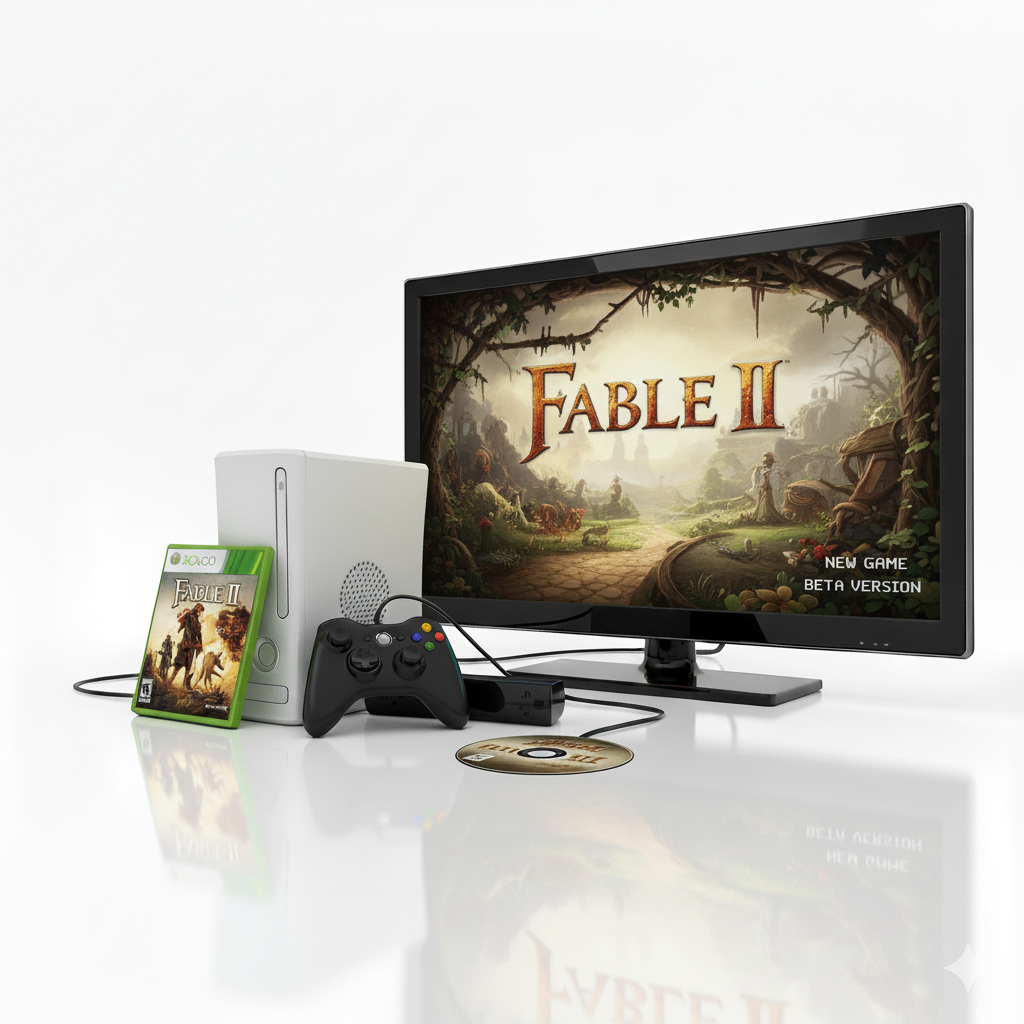
Introduction to Fable II
Fable II is an action role-playing game developed by Lionhead Studios and published by Microsoft Game Studios. Released on October 21, 2008, for the Xbox 360, the game has since become a classic in the realm of video games. Set in the enchanting world of Albion, Fable II builds upon the legacy of its predecessor, Fable, to deliver an immersive experience laden with moral quandaries, character development, and player choices that significantly alter the course of gameplay.
The story of Fable II follows the journey of a young hero, who embarks on a quest to reclaim their lost family and ultimately confronts the dark forces threatening Albion. The richly detailed environment of Albion is one of the game’s strong suits, offering diverse landscapes, from lush forests and bustling towns to treacherous dungeons filled with formidable foes. This fantasy setting operates under a whimsical narrative that invites players to interact freely with the world, crafting their own destiny through a series of moral choices.
One of the central themes of Fable II is the concept of morality, where decisions made by the player can lead to vastly different outcomes. The game introduces a dynamic morality system that reflects the hero’s choices, influencing public perception and the game’s narrative trajectory. As players progress, they encounter dilemmas that test their ethics and values, compelling them to consider the impact of their actions on the citizens of Albion and their surroundings.
In this engaging landscape, players can shape their character’s abilities and appearance, fostering a deep sense of personal investment in the game. Fable II effectively combines exploration, combat, and storytelling while ensuring that each player’s experience is unique, primarily driven by their decisions and morals. This enduring appeal of player agency makes Fable II a noteworthy entry in the action role-playing genre.
Gameplay Mechanics
Fable II presents a rich and immersive gameplay experience that combines an engaging combat system, expansive exploration, and intricate character development. Understanding these gameplay mechanics is essential for players to fully enjoy what the game offers.
The combat system in Fable II is designed to be accessible yet engaging, incorporating a variety of weapons and magical abilities. Players can wield swords, bows, and magical spells, allowing for a personalized approach to battles. The combat is fluid and dynamic, encouraging players to experiment with different strategies, such as mixing melee attacks with ranged combat, to overcome various enemies. Additionally, the game features a simple yet effective targeting system, making it easier to focus on specific adversaries during intense fight sequences.
Exploration is another fundamental aspect of Fable II. The game world, Albion, is vast and filled with diverse landscapes, towns, and secrets waiting to be uncovered. Players can traverse the world on foot or by using various modes of transportation, including boats and mounts. The open-world environment invites players to engage with their surroundings, whether by completing quests, interacting with NPCs, or simply enjoying the beauty of the landscape. The non-linear nature of the game allows players to choose their paths, further enhancing the exploration experience.
Character development in Fable II is both rewarding and nuanced. As players progress, they earn experience points that can be invested in different abilities—ranging from combat skills to magical enhancements. Moreover, the game incorporates a unique decision-making mechanic where players’ choices significantly influence the game world and its inhabitants. Actions taken by the player not only affect their character’s alignment but also lead to tangible changes in how other characters perceive them, adding another layer of depth to the gameplay. This interconnectedness makes each player’s journey unique and encourages thoughtful decision-making.
Character Customization and Development
Fable II offers players a rich array of character customization options that significantly enhance the gaming experience. At the outset, players can select the physical appearance of their character, allowing them to tailor aspects such as gender, hairstyle, facial features, and body type. This initial choice not only reflects the individuality of each player but also sets the tone for their journey in the fantastical world of Albion.
Beyond mere aesthetics, character development in Fable II is deeply intertwined with gameplay choices and player interactions. The game employs a dynamic system where player actions influence not just abilities but also moral alignment. As players engage with NPCs, complete quests, and make choices, the character evolves based on these experiences, culminating in a personalized narrative that reflects the player’s unique approach to morality. Positive actions like helping villagers and making altruistic decisions can lead to a positive moral alignment, while negative choices may result in a more nefarious reputation.
Skills in Fable II are categorized into three main paths: Strength, Skill, and Will. Players can invest in these areas to enhance abilities, such as hand-to-hand combat, archery, or magic. This skill progression allows for a more tailored approach to gameplay, as players can develop their character to suit their preferred playstyle. For instance, a player who favors a stealthy approach may choose to focus on Skill, honing their expertise in ranged attacks and stealth techniques, while someone who prefers brute force may invest in Strength.
The depth of character customization extends to the selection of tattoos, clothing, and accessories which can further alter the character’s look and capabilities. Select items can provide specific bonuses, thus enabling strategic choices in how a player wants to tackle the challenges within the game. Overall, Fable II’s character customization and development systems work in tandem to create an immersive, engaging experience that evolves with the player’s unique decisions and style of play.
Quest System and Storyline
The quest system in Fable II is a pivotal component of the gameplay experience, intertwining a rich storyline with player choices that significantly influence narrative outcomes. Players traverse through a primary questline that sets the foundation for the game’s overarching narrative, taking on the role of a hero who embarks on a journey to reclaim their destiny. Throughout this primary storyline, players are faced with various moral decisions that ultimately shape their character’s alignment and development, leading to multiple possible endings.
In addition to the main questline, Fable II offers a plethora of side quests, which allow players to engage more deeply with the world of Albion. These side quests vary tremendously in structure and content, often offering opportunities for character development, exploring lore, or engaging in lighthearted tasks that provide insight into the lives of the inhabitants of Albion. As players interact with these quests, they encounter a diverse cast of non-playable characters (NPCs), each with their own unique stories and backgrounds. The decisions players make during these encounters can lead to the establishment of relationships with NPCs, which can significantly influence gameplay outcomes and enhance the overall narrative experience.
The developers have skillfully employed storytelling methods that emphasize the impact of player choices, creating a sense of agency within the game’s world. The consequences of decisions made are not only immediate but also ripple throughout the storyline, affecting interactions with NPCs and altering the game’s environment. By fostering relationships with NPCs, players can unlock hidden narratives and develop deeper ties that offer substantial rewards and new quests. This interactive storytelling format encourages players to consider their choices carefully, enriching their overall engagement with Fable II and its immersive world.
Additional Features: Co-op and Multiplayer
Fable II, a critically acclaimed action role-playing game, offers a variety of engaging features to enhance the player’s experience. Among these features are co-op and multiplayer options, which allow players to join forces with friends for a more immersive adventure. This cooperative gameplay mechanism provides an opportunity to delve into the enchanting world of Albion together, navigating its rich landscapes and engaging in epic quests.
The co-op gameplay in Fable II is designed to be seamless. At any point in the game, a second player can join the fray by connecting a controller. This allows friends to take on the role of another hero in Albion, enabling them to share experiences and develop their characters concurrently. Players can combine their strengths and abilities to tackle challenges that they might find difficult to face alone, turning the adventure into a collaborative effort.
One of the notable mechanics in the co-op feature is the ability to share quests. When one player engages in a quest, the other may choose to participate, allowing both characters to receive shared rewards and accolades. This not only bolsters social interactions but also enriches gameplay; it encourages strategic planning and teamwork as players coordinate their actions to overcome obstacles.
Moreover, the game’s multiplayer mode allows players to interact in various ways, whether through trading items, completing challenges together, or simply exploring the vast regions of Albion side by side. These interactions foster a sense of camaraderie, enhancing the overall enjoyment of the game. Through co-op gameplay, Fable II not only facilitates shared joy in exploration but also creates lasting memories forged in the heat of battle and strategic collaboration.
Thematic Elements and Morality System
Fable II is renowned for its intricate narrative structure and the way it weaves thematic elements with gameplay mechanics, particularly through the morality system that defines the player’s journey through Albion. The game challenges players to navigate a series of ethical dilemmas that not only shape their character’s abilities and alignments but also influence the world around them. This design encourages players to contemplate the repercussions of their choices, thereby fostering a deeper understanding of morality and its implications.
At the core of Fable II is the premise that every action has consequences. Players are often faced with decisions that prompt them to consider what it means to be ‘good’ or ‘evil’. For instance, players may choose to help a villager in need, potentially increasing their reputation and gaining allies, or they might exploit a situation for personal gain, leading to adverse outcomes for the community. This binary moral framework is nuanced; the game rewards players not solely for altruism but also for the complexity of their choices. Such a system adds depth by illustrating how even well-intentioned decisions can lead to unintended consequences.
The impact of these choices transcends the individual character and extends to the world of Albion itself. Locations and peoples react dynamically to the player’s moral standing, which serves as a testament to how personal choices can influence broader societal interactions. Characters within the game world may express admiration or disdain based on the player’s actions, effectively placing players in a position to witness the ripple effects of their moral decisions. This intricately designed morality system not only immerses players but also fosters a reflective gameplay experience, prompting them to question their own ethical values and how they manifest in actions.
Visuals and Soundtrack
Fable II, released in 2008, presents a rich artistic style that has been lauded for its charm and attention to detail. The graphics in Fable II are characterized by a whimsical, fairytale-like aesthetic that perfectly complements its narrative and gameplay elements. The game employs a vibrant color palette, immersing players in its fantastical world. Character design is particularly striking, with each character uniquely crafted to reflect their personalities and roles within the storyline.
The attention given to facial expressions and body language adds depth, making interactions feel authentic and engaging. This level of detail encourages players to form a connection with the characters, enhancing the overall experience of the game.
Beyond character design, the environments in Fable II are meticulously designed, ranging from lush forests to desolate ruins. Each locale offers a distinct atmosphere that reflects the game’s diverse narrative arcs. The seamless transitions between these environments contribute to a sense of continuity and progression, allowing players to explore the realms with ease.
Accompanying the impressive visuals is a captivating soundtrack that significantly enhances the immersive experience. Composed by the renowned Danny Elfman, the music in Fable II is a mix of orchestral and whimsical elements, which effectively captures the essence of the game’s world. The soundtrack adapts to the gameplay dynamics; as players engage in combat, the music intensifies, while quieter moments are underscored by more subdued melodies. This dynamic approach to sound design situates players deeper into the narrative and builds emotional resonance.
Overall, the visuals and soundtrack of Fable II work in harmony to create a distinctive gaming experience that remains memorable. The blend of vibrant graphics and an evocative score not only defines Fable II’s artistic style but also serves as a testament to the immersive capabilities of video games as a storytelling medium.
Reviews and Critical Reception
Upon its release in October 2008, Fable II was met with generally favorable reviews from both critics and players alike. The game is often praised for its rich storytelling, immersive open world, and the freedom it gives players to shape their hero’s character and decisions. Most notably, gaming journalistic outlets such as IGN and GameSpot lauded the game’s innovative morality system, which deeply impacts the narrative based on player choices. This approach resonated well with the audience, marking a notable shift in role-playing game (RPG) design.
In addition to its engaging gameplay, the game’s visual aesthetics were highlighted as a crucial strength. The whimsical art style, reminiscent of a vibrant fairy tale, received acclaim for its unique execution, contributing to an enchanting atmosphere that set Fable II apart from other RPGs at the time. Players were particularly drawn to the game’s extensive customization options and the sense of personal connection formed with NPCs in the expansive world of Albion.
However, despite the overall positive reception, Fable II was not without its criticisms. Some reviewers expressed disappointment regarding certain gameplay mechanics, citing issues such as repetitive quests and a lack of depth in combat. Additionally, there were remarks about the game’s frequently shallow RPG elements that did not fully exploit the potential for character development. These critiques pointed to areas where the game could have improved, leaving room for future iterations in the series.
Overall, the critical reception of Fable II paints a picture of a game that, while deeply beloved and innovative in many respects, faced constructive feedback that has influenced the development of subsequent titles in the series. The game’s legacy continues to thrive, treasured by fans and recognized for its significant impact on the RPG genre.
Conclusion and Legacy
Fable II emerged as a significant title in the realm of role-playing games, marking a transformative moment for both its franchise and the genre as a whole. Released by Lionhead Studios, this sequel enhanced the narrative-driven experience rooted in player choice—a hallmark of the Fable series. The open world of Albion was not only expansive but also intricately designed, allowing players to engage with a dynamic environment influenced by their decisions and morality. This approach inspired future developments in role-playing games, advocating for the importance of storytelling and player agency.
Comparatively, Fable II improved upon its predecessor by incorporating innovative mechanics and a visually stunning presentation, showcasing how technology can elevate storytelling in gaming. The seamless co-op mode also introduced a social aspect, enabling players to share their experiences with friends, an element that highlighted the growing importance of community in gaming. The game’s effects can be observed in subsequent titles, where developers increasingly focused on crafting intricate narratives that respond to player choices.
The legacy of Fable II lies in its ability to engage players on both emotional and ethical levels. Themes of good versus evil, the consequences of choices, and the exploration of morality became central elements not just within the Fable universe but across many role-playing games that followed. Titles that embrace depth in character development and world-building owe a debt to this seminal game. As such, Fable II remains a cornerstone in the evolution of role-playing games, shaping how future generations of players experience narrative complexities and interactive storytelling.