
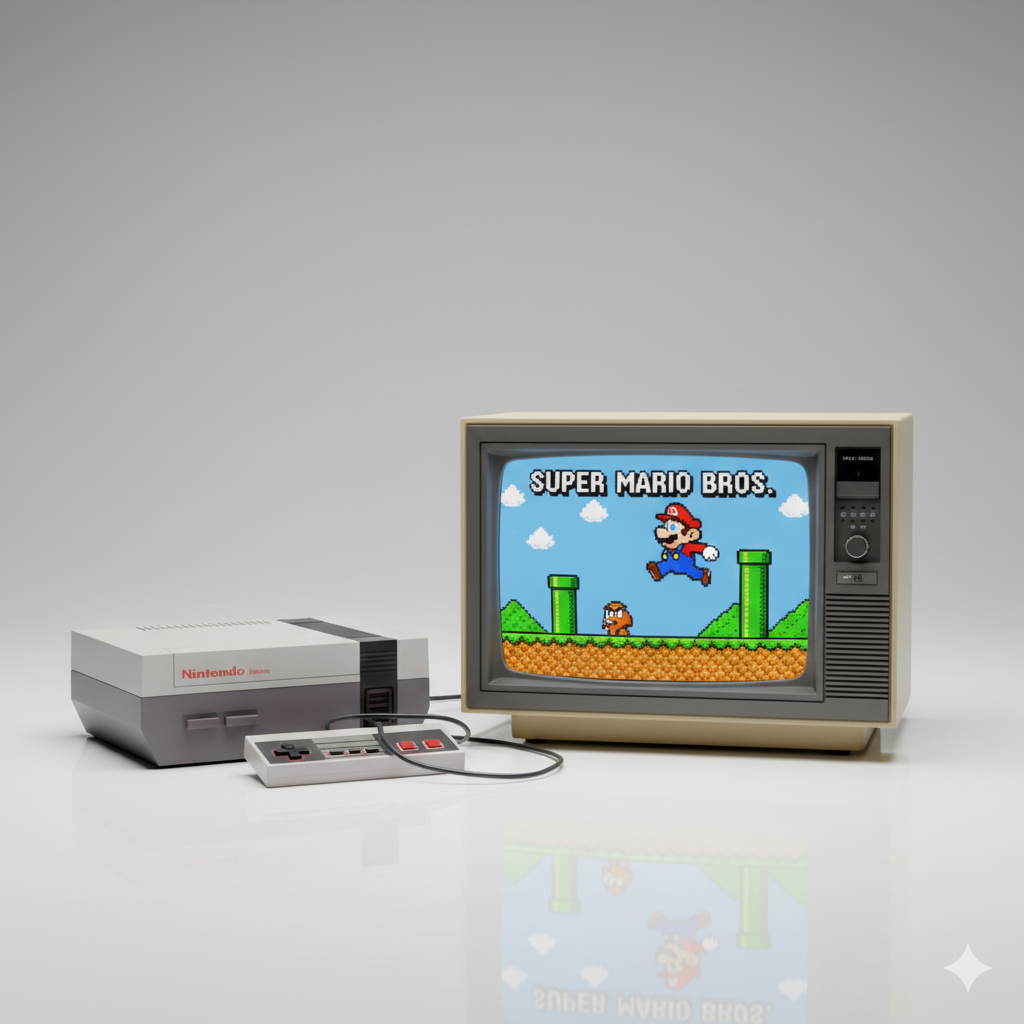
Introduction to Super Mario Bros
Released in 1985, Super Mario Bros marked a transformative moment in the history of video games, forever changing the landscape of platform gaming. Developed by Nintendo, this classic title made its debut on the Nintendo Entertainment System (NES) and quickly rose to prominence, becoming one of the best-selling video games of all time. Its innovative design and engaging gameplay not only redefined the genre but also established Mario as a cultural icon.
The game was built upon a foundation of rich visuals and dynamic level design, which invited players to explore and navigate the Mushroom Kingdom. Players assumed the role of Mario, a plumber tasked with rescuing Princess Toadstool from the clutches of Bowser, the game’s primary antagonist. As players traversed diverse environments, overcoming obstacles and enemies, they discovered power-ups that enhanced their abilities, further enriching the gaming experience.
Super Mario Bros played a pivotal role in reviving the video game industry following the crash of 1983. It introduced mechanics such as side-scrolling, which allowed players to move through expansive, multi-layered worlds. This innovation set a new benchmark for future games, influencing countless titles that followed. The character of Mario, originally created by Shigeru Miyamoto, quickly gained popularity, becoming an emblematic figure representing the Nintendo brand.
Moreover, the game’s legacy extends beyond its initial release; it spawned numerous sequels and adaptations, solidifying its place in pop culture and gaming history. Today, Super Mario Bros continues to be celebrated not only for its gameplay but also for its significant contributions to the evolution of video games, making it a timeless classic cherished by both new and veteran players.
Gameplay Mechanics and Features
The gameplay mechanics of Super Mario Bros have been pivotal in establishing it as a celebrated classic within the gaming community. Players navigate through a vibrant, side-scrolling world, guiding Mario on a quest to rescue Princess Toadstool from the clutches of the nefarious Bowser. Central to the engaging gameplay are the character abilities and power-ups, which significantly enhance the player experience.
One of the most notable mechanics is the diverse range of power-ups, obtainable through specific blocks scattered throughout the levels. For instance, the Super Mushroom transforms Mario from his standard form into Super Mario, allowing him to withstand one hit from enemies. The Fire Flower empowers him with the ability to shoot fireballs, expanding the tactical options available to players when dealing with challenges. Moreover, the Star allows for temporary invincibility, enhancing the game’s dynamic and encouraging a bolder approach to gameplay.
Another essential feature is the level design. Each level is meticulously crafted, balancing challenge with accessibility, enabling both novice and seasoned players to find enjoyment. The inclusion of various terrains, enemies, and hidden areas necessitates strategic thinking. Players learn to anticipate enemy movements, utilize power-ups effectively, and explore the environment for secret pathways that often lead to bonuses or shortcuts.
The engaging mechanics of Super Mario Bros are inherently linked to its player engagement. By offering a combination of platforming challenges, discovering new abilities, and the satisfaction of overcoming obstacles, players remain invested in the experience. This blend of engaging gameplay mechanics—coupled with iconic characters and memorable music—has solidified the game’s status as not only a pivotal point in gaming history but also a timeless classic that continues to influence new generations of games.
The Storyline of Super Mario Bros
The storyline of Super Mario Bros is a classic narrative that plays a pivotal role in the gameplay experience. It centers around Mario, a determined plumber, who embarks on an adventurous quest to rescue Princess Toadstool. The princess has been captured by Bowser, the main antagonist, who rules the Mushroom Kingdom with an iron fist. The opening sequence sets the stage for this iconic journey, instantly engaging players in Mario’s mission.
As players progress through Super Mario Bros, they navigate through a series of vibrant worlds, overcoming various obstacles and enemies. Each world, embellished with unique themes and challenges, adds depth to the storytelling. The narrative unfolds through straightforward yet immersive gameplay, allowing players to experience the urgency of Mario’s quest. Mario’s encounters with enemies like Goombas and Koopa Troopas emphasize the persistent dangers he faces as he moves closer to Bowser’s castle.
The gameplay is seamlessly intertwined with the storyline, where each level culminates in a confrontation that brings Mario closer to his goal. The tactics players employ to solve puzzles and defeat enemies are reflective of Mario’s character and his resolution to save the Princess. This narrative approach not only enhances the emotional investment but also propels players forward, as each victory builds anticipation for the ultimate showdown with Bowser.
In a broader sense, the story of Super Mario Bros echoes themes of bravery and perseverance, resonating with audiences across generations. This simple yet compelling plot is crucial for the game, as it not only defines Mario’s journey but also establishes a foundation for future installments in the series, thus solidifying the game’s timeless status in the realm of video games.
Cultural Impact and Legacy
Since its release in 1985, Super Mario Bros has had a profound influence on popular culture, serving as a touchstone for both the gaming industry and broader entertainment. This iconic title not only set the standard for platform video games but also established many conventions that define the genre today. For instance, the concept of power-ups, distinctive character designs, and engaging level architectures all owe their success to the innovations introduced in this game.
The impact of Super Mario Bros extends well beyond the confines of gaming consoles. This beloved franchise has made numerous appearances in various forms of media, including television shows, films, and comic books. The animated series in the early ’90s brought the adventures of Mario and Luigi to a wider audience, while the 1993 live-action film, albeit poorly received, showcased the characters on a grander canvas, illustrating their cultural significance at the time.
Merchandising has also played a crucial role in cementing the legacy of Super Mario Bros. The franchise has spawned a plethora of products ranging from toys and clothing to collectibles and household items. This extensive range of merchandise speaks to the game’s crossover appeal, making Mario a household name recognized by individuals of all ages.
Furthermore, Super Mario Bros has shaped the trajectory of subsequent video games and franchises, inspiring countless developers and designers. Many of today’s successful games draw on the foundational elements introduced in Mario, whether it be character mechanics, storytelling techniques, or world-building. The influence of Mario is evident in the work of both indie developers aiming to mimic the charm of the original and major companies seeking to innovate while paying homage to this timeless classic.
Character Analysis: Mario and Friends
Super Mario Bros, a hallmark of platform gaming, features a cast of characters that are iconic and endearing. At the heart of this universe is Mario, whose evolution from a simple pixelated figure to a globally recognized icon reflects significant character development over the years. Initially presented as a carpenter in Donkey Kong, Mario’s transformation into a plumber in Super Mario Bros establishes him as a relatable character, engaging players with his quest to rescue Princess Toadstool.
Mario’s brother, Luigi, plays a crucial supporting role in the game. Often depicted as the overshadowed sibling, Luigi’s development has allowed him to emerge as a beloved character in his own right. His unique abilities, such as higher jumps, differentiate him from Mario, inviting diverse gameplay experiences. While Mario often takes center stage, Luigi’s charm and character depth resonate with fans, contributing to the game’s thematic richness.
Princess Toadstool, known later as Princess Peach, is another significant figure in the game. As the damsel in distress, her character initially may appear limited; however, her motivations extend beyond mere capture. Princess Toadstool embodies resilience and serves as a symbol of hope and motivation for both Mario and Luigi. Her role highlights themes of courage and determination, ultimately evolving into an active character presence in later games, where she takes on more adventurous roles, showcasing her strength.
Contrasting with the heroes are the antagonists, particularly Bowser, the primary villain. Known for his imposing stature and fiery demeanor, Bowser represents the challenges and obstacles that players must overcome. His character is multi-faceted, often depicted with layers of complexity, including moments of vulnerability and humor in various Mario titles. Bowser’s struggles against Mario not only serve as the central conflict in Super Mario Bros but also illustrate the timeless theme of good versus evil.
Through the lens of Mario, Luigi, Princess Toadstool, and Bowser, Super Mario Bros presents a rich narrative landscape where character growth and interrelationships deepen players’ engagement with the game. The depth of these characters contributes to the enduring legacy of the Super Mario franchise, solidifying its place in gaming history.

The Evolution of Mario Games
The Super Mario franchise, a cornerstone of the video game industry, began its journey in 1985 with the release of Super Mario Bros for the Nintendo Entertainment System (NES). This seminal game introduced players to the vibrant world of the Mushroom Kingdom and its iconic characters, such as Mario and Princess Peach. Gameplay primarily involved navigating through side-scrolling levels, collecting power-ups, and defeating enemies, all while aiming to rescue the princess. This simple yet engaging formula laid the groundwork for subsequent titles.
As technology improved, so too did the Mario games. The introduction of the 16-bit Super Nintendo Console brought Super Mario World in 1990, showcasing enhanced graphics and more expansive worlds. New gameplay mechanics, such as the ability to ride Yoshi, added layers of complexity and strategic depth. Additionally, the storytelling began to exhibit more depth, integrating character development and narrative arcs that expanded on the Mario mythos.
Fast forward to the late ’90s and early 2000s; with the launch of the Nintendo 64, Super Mario 64 revolutionized the platforming genre by introducing 3D gameplay. This innovation allowed players to explore expansive three-dimensional environments, marking a significant departure from the linearity of its predecessors. The franchise continued to innovate with titles like Super Mario Galaxy, which introduced gravitational mechanics and an imaginative array of worlds, showcasing not only technological advancement but also creative storytelling.
In recent years, the release of Super Mario Odyssey exemplified the franchise’s ability to blend nostalgia with modern gameplay. The open-world design allowed for unprecedented exploration, while retaining the charming essence of earlier games. This evolution—characterized by enhanced graphics, innovative gameplay mechanics, and richer storytelling—demonstrates how the Super Mario brand has consistently adapted to cultural and technological trends, ensuring its sustainability and ongoing appeal in the gaming community.
The legacy of Super Mario Bros resonates profoundly within gaming culture, evoking a powerful sense of nostalgia among two generations of players. Originally launched in 1985 for the Nintendo Entertainment System (NES), this iconic game not only shaped the platforming genre but also cultivated a passionate fan base that has persisted through the decades. This nostalgia is particularly palpable on platforms like social media and dedicated fan forums, where enthusiastic discussions about memorable levels, character designs, and gameplay mechanics frequently occur.
With the advent of digital distribution and remakes, the enduring popularity of Super Mario Bros has sparked interest among new gamers, enriching the community. Titles such as “Super Mario Maker” enable players to create and share custom levels inspired by the original game, further igniting enthusiasm among veteran players and newcomers alike. This interaction fosters a sense of belonging, as gamers connect over shared experiences and memories tied to unlocking secrets and completing challenging levels.
Moreover, the relevance of Super Mario Bros can be attributed to its adaptability and integration into contemporary gaming culture. From merchandise to involvement in large-scale events such as the Super Mario-themed exhibits held in various museums, the character of Mario continues to evolve while maintaining the charm of its origins. The game’s aesthetic, sound design, and memorable characters like Bowser and Princess Peach are reminders of a simpler time in gaming, which resonates with older players, while their playful design appeals to younger generations.
There’s an undeniable timelessness to Super Mario Bros, illustrating not just the capabilities of ancient gaming technology but also the universal themes of adventure, resilience, and triumph over adversity. The game exists not only as a nostalgic artifact but as a living part of gaming discourse, showcasing how a 35-year-old title remains relevant and cherished in the ever-changing landscape of video games.
Tips and Tricks for New Players
Starting your journey in Super Mario Bros can be an exhilarating experience filled with vibrant landscapes and challenging foes. To help new players acclimate to the game’s unique mechanics, several tips and strategies can significantly enhance their gaming experience.
Firstly, mastering movement is essential. Players should familiarize themselves with jumping, running, and sprinting mechanics. Effective use of the run button not only aids in gaining speed but is crucial for making longer jumps and avoiding obstacles. However, timing jumps and understanding the physics of fall are equally important, especially when navigating complex terrains or defeating enemies.
Secondly, exploration is key. Many levels are designed with hidden pathways and secret rooms that contain valuable items such as power-ups, extra lives, and coins. Players should pay attention to the environment; often, smashing blocks with the head or interacting with suspicious-looking walls can unveil hidden treasures. For instance, if you see a lone block floating in the air, jumping to hit it may yield a useful item.
When it comes to facing enemies, understanding their behavior is crucial. Each enemy type has distinct patterns that can be exploited. For instance, Goombas can be easily defeated by jumping on them, while Koopa Troopas can be kicked to defeat other enemies. Learning to strategically use these capabilities not only progresses levels but also helps in maximizing coin collection and gaining power-ups.
Additionally, utilizing power-ups can dramatically change gameplay. Items such as the Super Mushroom and Fire Flower not only provide Mario with abilities but also help in traversing difficult sections of levels. Always keep an eye out for these items at the start of each stage, as they can be instrumental in survival.
By employing these strategies—mastering movement, exploring thoroughly, understanding enemies, and making effective use of power-ups—new players can significantly improve their skills in Super Mario Bros. Enjoy the adventure and remember that patience and practice are key to success!
Conclusion and Reflection on Super Mario Bros
Super Mario Bros has undeniably left an indelible mark on the gaming landscape since its inception in 1985. As an NES classic, it transformed the video game industry, setting standards for game design, graphics, and storytelling that continue to influence developers to this day. The captivating gameplay mechanics, imaginative worlds, and memorable characters have not only enchanted millions of players but have also laid the groundwork for one of the most successful franchises in entertainment history.
The significance of Super Mario Bros extends beyond its initial commercial success. It introduced a vast array of gameplay innovations, such as side-scrolling levels, power-ups, and a clear progression system, which contributed to creating engaging and accessible experiences for gamers of all ages. The ability to seamlessly combine platforming challenges with exhilarating exploration allowed players to immerse themselves fully into the vibrant Mushroom Kingdom. This blend of simplicity and depth showcased the potential of video games as a robust medium for entertainment.
As the gaming industry evolves, the influence of Super Mario Bros can be observed in various contemporary titles that borrow elements from its design. Future generations of gamers will undoubtedly continue to cherish the legacy of this classic, as it serves as a gateway to understanding the roots of modern gaming. The beloved plumber’s adventures resonate well beyond nostalgic reminiscence; they offer insights into the art of game creation, the importance of player experience, and the endless possibilities presented by imaginative storytelling.
In reflection, Super Mario Bros stands as a timeless symbol of creativity and innovation in gaming, inspiring both players and developers alike. It is a reminder of the joy that video games can bring and the lasting impact they can have, shaping the landscape of future entertainment.