
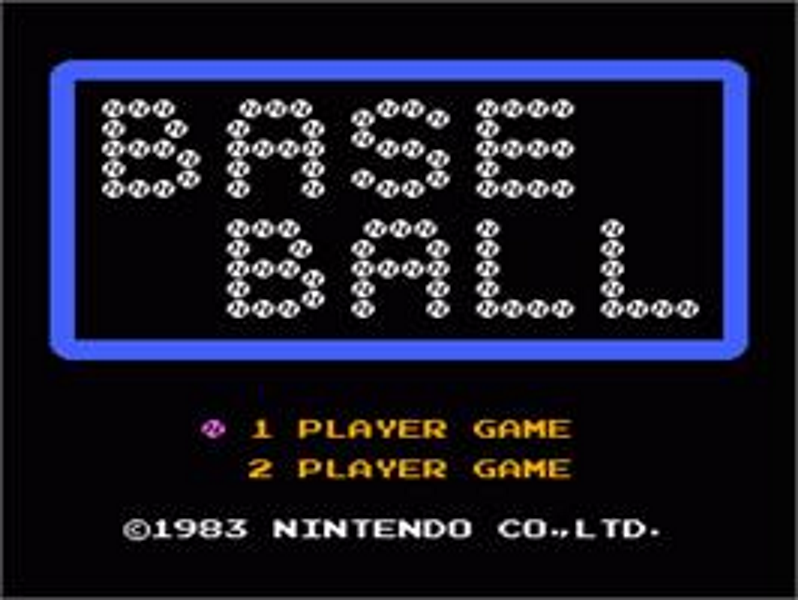
Overview of the 1983 Nintendo Baseball Game
The 1983 Nintendo Baseball game is often recognized as a significant milestone in the evolution of sports video games. Developed by Nintendo, the game made its debut in the arcade scene, captivating players with its engaging gameplay and innovative features for the time. Released during a period when video gaming was still emerging as a dominant form of entertainment, the title helped set the groundwork for future sports simulations.
The game’s premise revolves around a classic baseball match where players can choose to control either the home or visitor team. The gameplay mechanics are straightforward, yet they provide enough depth to keep players engaged. Users could pitch, bat, and run the bases, all while attempting team strategies to outscore their opponents. Notably, the game featured a two-player mode where friends could compete against each other, which added to its replayability and social aspect.
Graphically, the 1983 Nintendo Baseball game adopted simple yet efficient visuals that conveyed the essence of a baseball match. The players were represented as sprites that moved fluidly across the screen, and the stadium background was designed to evoke the feel of a real ballpark. In addition to the graphics, the sound design added to the overall experience. The game included upbeat music and engaging sound effects, like cheers from the crowd, which created an immersive atmosphere for players.
Overall, the significance of the 1983 Nintendo Baseball game extends beyond its immediate gameplay appeal. It foreshadowed the evolution of sports games on home consoles and established a benchmark that many future titles would strive for. The game not only captured the popularity of baseball during its time but also left a lasting legacy in the world of video gaming.
Gameplay Mechanics and Features
The 1983 Nintendo Baseball game offers a compelling simulation of America’s favorite pastime by integrating several distinctive gameplay mechanics and features. At its core, the game allows players to engage in a variety of modes, including single-player and two-player matches, thus accommodating different playstyles. The simple yet intuitive controls play a fundamental role in enhancing the gaming experience. Players can easily maneuver their characters and execute hits, pitches, and defensive actions, making it accessible for both veterans and newcomers alike.
Character choices also significantly influence gameplay. Players can select from various attributes, ranging from speed to power, which impact their performance on the field. Each character embodies unique skill sets, encouraging strategic decision-making that mimics real baseball dynamics. For instance, choosing a power hitter might lead to a different strategy than opting for a speedy player, as they each introduce distinct advantages and challenges when navigating the bases.
The game effectively encapsulates the essence of baseball through its mechanics, allowing players to experience the thrill of the game. Pitching, for example, requires timing and placement, while batting involves understanding the nuances of each pitch type. Defensive elements further enhance the gameplay, demanding keen reflexes and strategic positioning to counter opposing players. Unique features, such as the ability to execute special plays or team strategies, add layers of complexity to the experience, setting it apart from contemporaries in the genre.
The blend of accessible controls, strategic depth, and character diversity makes the 1983 Nintendo Baseball game not just a nostalgic nod to sports gaming but a notable benchmark in its era, engaging players through its intricate yet approachable mechanics.
Cultural Impact and Legacy
The 1983 Nintendo Baseball game holds a significant place in the annals of video game history, particularly within the sports genre. Released during a time when video gaming was rapidly gaining traction, this title not only entertained but also helped shape the landscape of baseball games and sports simulations. Its simplistic graphics and straightforward gameplay introduced many players to the mechanics of baseball in a virtual form, effectively educating them about the sport while offering an enjoyable experience.
The game received a moderate reception from critics and players, with many praising its engaging simplicity and intuitive controls. This accessibility contributed to its widespread popularity, making it a favorite among both casual gamers and baseball enthusiasts. The community’s response was notable, as fans frequently engaged in local multiplayer sessions, fostering a social aspect that would become a hallmark of couch co-op gaming. This type of interaction laid the groundwork for future sports titles, influencing multiplayer dynamics in later baseball games.
Moreover, the legacy of the 1983 Nintendo Baseball extends beyond its direct successors. It indirectly inspired developers to push the boundaries of sports gaming, resulting in innovations such as enhanced graphics, more complex gameplay mechanics, and realistic simulations. As gaming technology advanced throughout the decades, the core principles established by early games like this one laid the foundation for modern baseball simulations. Therefore, it is clear that the 1983 Nintendo Baseball game wasn’t just a fleeting title but a pivotal piece in the evolution of sports gaming, influencing how developers approach the genre to this very day.
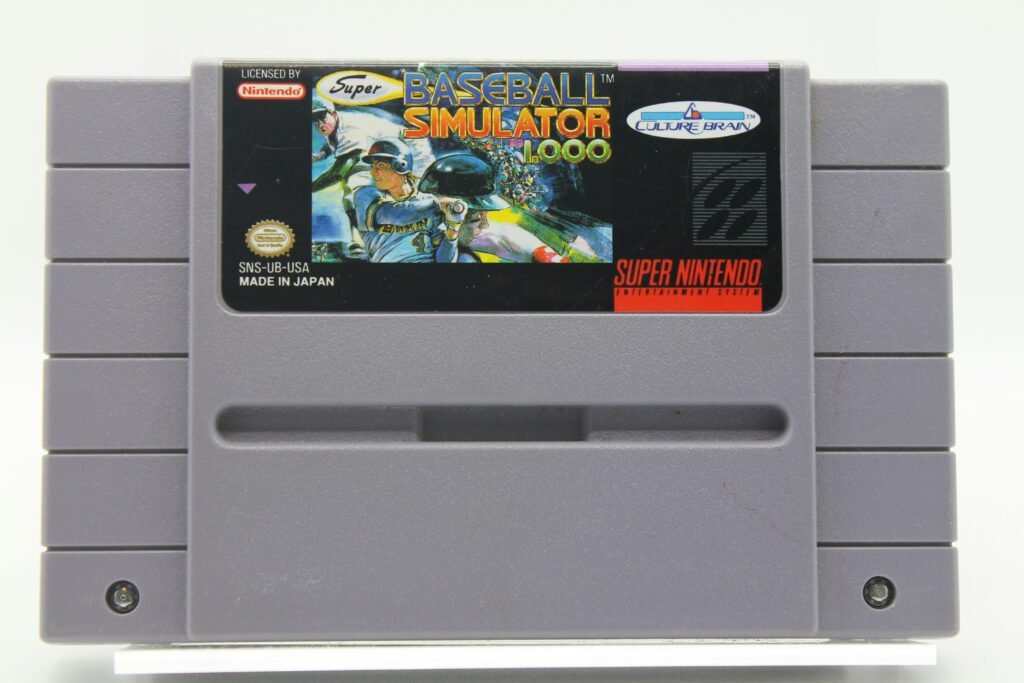
Comparing to Modern Baseball Video Games
The landscape of baseball video games has witnessed remarkable transformation since the release of the 1983 Nintendo Baseball game, a title that introduced many players to digital baseball. Emerging from a time when graphics were rudimentary, characterized by pixelated sprites and simplistic animations, modern baseball games boast cutting-edge visuals, drawing real-life players with high-definition graphics and lifelike motions.
Contemporary baseball video games, such as MLB The Show and RBI Baseball, offer a plethora of features that were nonexistent in previous generations. These games incorporate detailed player statistics, elaborate stadium designs, and realistic gameplay physics, providing users with an immersive experience. Enhanced sound design and commentary also contribute to a more engaging atmosphere, making players feel as though they are part of an actual baseball game. In contrast, the 1983 Nintendo title, while charming in its own right, offered basic sound effects and gameplay mechanics that focused on simplicity rather than realism.
Despite these advancements, some nostalgic elements of the 1983 game still resonate strongly with players today. The straightforward two-player mode, allowing friends to compete against one another, remains a cherished component of multiplayer experiences in modern titles, reflecting a time when gaming was often a social affair. Furthermore, the character sprites still evoke a sense of nostalgia, reminding fans of the initial joy derived from conquering the basics of baseball gaming.
Technological advancements have also reshaped player interaction, moving from a simplistic control scheme to highly complex gameplay mechanics that include advanced pitching and batting techniques. While some may argue that the sophistication of modern games detracts from the enjoyment felt in earlier titles, it is essential to acknowledge how innovations have expanded the possibilities of gameplay. Simultaneously, the enduring charm of classic titles like the 1983 Nintendo game continues to inspire and influence contemporary game design.