
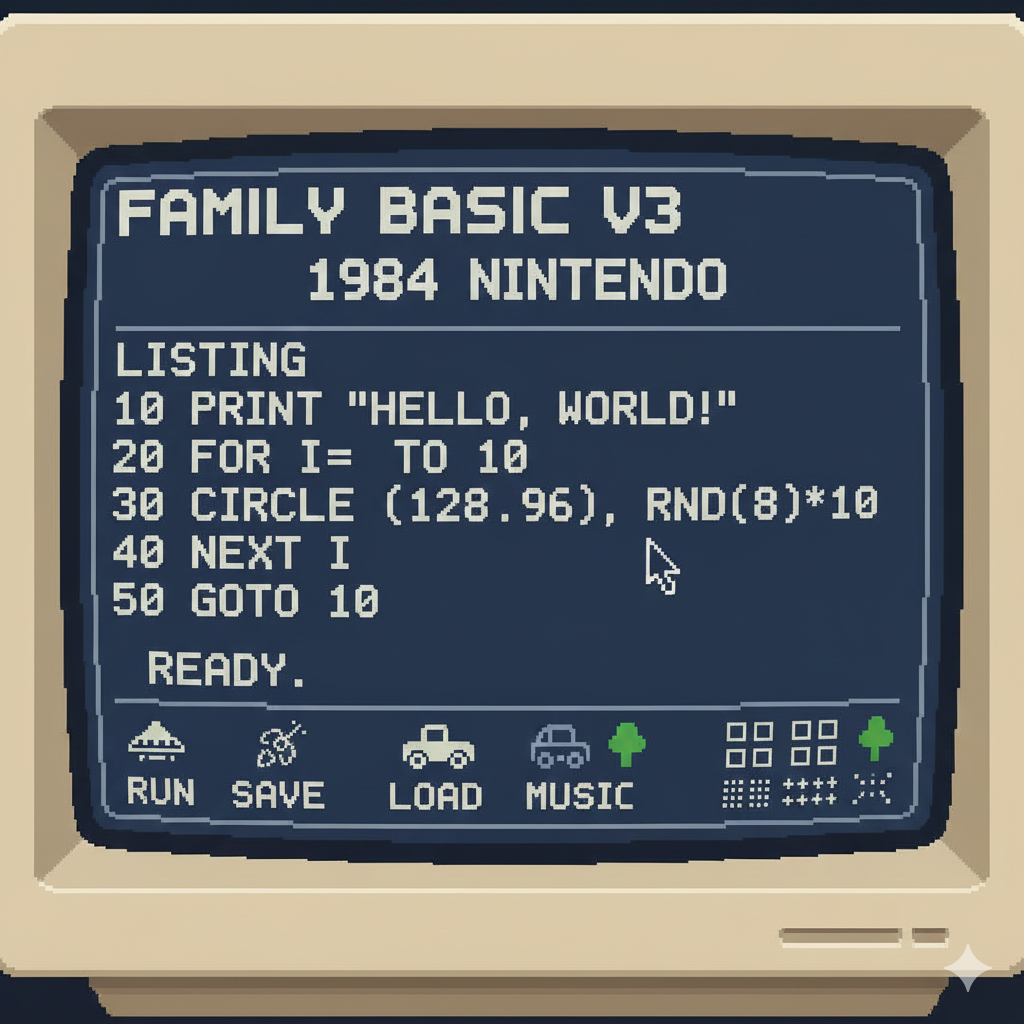
Introduction to Nintendo’s 1984 Era
Nintendo’s influence in the gaming industry, particularly during the 1980s, is a significant chapter in the history of video games. The year 1984 stands out as a pivotal moment for the company, who was at the time transitioning from a playing card manufacturer to a video game powerhouse. This evolution not only marked a turning point for Nintendo but also for the entire gaming landscape, as it introduced innovative strategies and creative concepts that resonated with a diverse audience.
In 1984, Nintendo embraced a unique approach to game design and distribution, by focusing on quality content aimed at families. The company’s dedication to creating engaging and accessible games enabled it to capture the interest of a broad demographic, including children and adults alike. This strategy was a departure from the predominantly adult-oriented gaming market of the early 80s. By incorporating elements of humor, creativity, and lightheartedness into its games, Nintendo was able to position itself as a family-friendly brand.
Moreover, Nintendo’s foresight in investing in technology and innovative gameplay mechanics set the groundwork for future success. The release of iconic titles during this period, such as “Donkey Kong,” helped solidify Nintendo’s reputation as a leader in game development. These titles not only introduced memorable characters but also established gameplay structures that would become benchmarks for future platforms. The company’s strategic decisions in marketing, including its focus on vibrant arcade experiences, further enhanced its cultural relevance.
As we examine the 1984 era, it becomes evident that Nintendo’s commitment to creating inclusive and imaginative gaming experiences was crucial for its growth. This approach not only shaped Nintendo’s legacy but also laid the foundation for its future successes, fostering a gaming culture that continues to this day.
The Birth of the Nintendo Entertainment System (NES)
The launch of the Nintendo Entertainment System (NES) in Japan in July 1983 marked a significant turning point in the video game industry. Following the video game crash of 1983, which left the market saturated with poor-quality titles, Nintendo sought to redefine gaming to appeal to a broader audience. The NES was designed with family-friendly gaming in mind, making it more accessible for children and adults alike.
Nintendo’s innovative approach incorporated a robust lineup of games that featured engaging narratives and inviting gameplay mechanics. Titles such as “Super Mario Bros.” and “The Legend of Zelda” not only set new standards in game design but also encouraged cooperative play, fostering an environment where families could enjoy gaming together. The introduction of the NES also comprised an appealing marketing strategy, focusing on the console as a new entertainment system rather than merely a video game device. This positioning helped to differentiate the NES from its predecessors and competitors in the market.
By 1984, the impact of the NES on the gaming landscape was palpable. The console revitalized the industry, drawing children and families back into gaming after years of uncertainty. With its affordable price point and extensive library of engaging titles, families found the NES to be an excellent source of entertainment within their homes. Local arcades, which had previously dominated gaming culture, began to receive competition from the NES as children now had the opportunity to enjoy high-quality, entertaining games right from the comfort of their living rooms.
The success of the NES further solidified Nintendo’s reputation as a pioneer in creating family-friendly gaming experiences. By emphasizing accessibility and enjoyable gameplay, the NES laid a strong foundation for gaming that continues to influence the industry today.
Key Titles from 1984 and Their Impact
In the year 1984, several groundbreaking video games were released that would go on to become family favorites and play a significant role in shaping the gaming industry. Among these notable titles was Super Mario Bros. , which introduced players to the enchanting world of the Mushroom Kingdom and the adventures of Mario and Luigi. Its innovative gameplay and colorful graphics not only captivated children but also attracted players of all ages, establishing a new standard for platform games and creating a lasting legacy.
Another significant title was Duck Hunt, which showcased the use of the Nintendo Zapper, allowing players to interact with their screens in a new and exciting way. The combination of light gun technology with simple, accessible gameplay made it a hit among families, encouraging shared experiences and a sense of competition in a fun way. In addition, the game’s inclusion in the Nintendo Entertainment System (NES) helped bolster the console’s reputation as a family-friendly entertainment source.
Moreover, Balloon Fight, released in the same year, offered cooperative multiplayer gameplay that blended fun and strategy. This title encouraged players to work together, fostering cooperation among family members. The game’s charm and engaging mechanics facilitated shared play sessions, further embedding gaming into the family culture of the 1980s.
The impact of these games extended beyond their gameplay. Their themes of adventure, teamwork, and exploration resonated with players, encouraging relationships among family members. By appealing to diverse interests and age groups, these key titles contributed significantly to Nintendo’s reputation as a purveyor of family-oriented gaming experiences, drawing many into a shared gaming community that would thrive for decades to come.
The Role of Game Design in Attracting Families
Nintendo’s game design during the 1984 era was particularly focused on creating an inclusive experience that appealed to all family members. This choice stemmed from a desire to foster a communal gaming environment, allowing children, parents, and older siblings to engage together. Central to this approach was the emphasis on simplicity in game mechanics and intuitive controls, which ensured that players of varying skill levels could easily dive into the gaming experience.
A prime example of this design philosophy is evident in the iconic title, “Super Mario Bros.” Released in 1985, its straightforward mechanics allowed players of all ages to quickly grasp the basic concepts of jumping, running, and collecting coins. The vibrant world and charming characters further made it appealing to younger audiences, while the challenging level design provided enough depth for older players to remain engaged. This blend of accessibility and complexity made the game a perfect fit for family gaming sessions.
Moreover, Nintendo employed a cooperative gameplay mechanic in several titles, fostering teamwork among players. For instance, in games like “Duck Hunt,” families could participate together, with one player aiming to hit ducks while another handled the shooting. This collaborative aspect further emphasized the social nature of gaming, nurturing family bonding through shared experiences. The ability to pick up and play without extensive tutorial sessions or complicated controls allowed for spontaneous gaming experiences, helping to demystify video games for those who might have been previously reluctant.
Ultimately, Nintendo’s focus on accessible and enjoyable game design in 1984 not only broke down barriers to entry for novice players but also created an environment where families could come together, share in the fun, and appreciate the magic of video gaming as a collective experience.
The Rise of Multiplayer and Family Gaming Sessions
The year 1984 marked a significant turning point in the gaming industry, as it witnessed a burgeoning interest in multiplayer games that emphasized shared experiences and family interaction. Among these, Nintendo played a pivotal role in championing family-friendly gaming sessions. The introduction of home consoles allowed more than one individual to engage with video games simultaneously, leading to the rise of multiplayer competition and cooperation.
During this era, titles such as “Duck Hunt” and “Super Mario Bros.” became cornerstones of family entertainment, incorporating elements that encouraged collaboration. Nintendo’s innovative approach to game design allowed families to engage with their beloved characters together, making gaming not just a solitary pastime but a vibrant social activity. This shift was emblematic of a growing trend where gaming was perceived as a shared cultural experience, creating bonds among family members.
Local multiplayer experiences enabled players to connect in ways that transcended typical entertainment formats. During family gatherings, it became common for siblings and parents to partake in friendly competition or cooperative gameplay, fostering a sense of camaraderie. Nintendo’s focus on easy-to-learn mechanics and accessible gameplay made it possible for players of all ages to join in—turning games into a shared family adventure.
Furthermore, the social elements inherent in multiplayer gaming encouraged family bonding beyond just gaming sessions. Strategies formed during play often led to storytelling and reminiscing, creating lasting memories that families cherished. With the emphasis on multiplayer experiences, Nintendo helped redefine the perception of gaming, positioning it as a vibrant avenue for family interaction and enjoyment.
Marketing Strategies Targeting Families
In 1984, Nintendo implemented innovative marketing strategies designed to appeal primarily to families, positioning itself as a household name in the burgeoning video game industry. Acknowledging the importance of family entertainment, Nintendo recognized that by appealing to parents and children alike, it could secure a wider customer base as well as enhance its brand reputation.
One of the key elements of Nintendo’s marketing strategies was its focus on advertisements that highlighted the concept of family gaming. Advertisements prominently featured families playing games together, showcasing titles that were not only family-friendly but were also positioned as opportunities for bonding and interaction among family members. This approach not only resonated with the values of the time but also helped in establishing video gaming as a legitimate form of family entertainment, similar to board games or movie nights.
Moreover, community engagement played a crucial role in Nintendo’s marketing tactics. The company organized events and gaming competitions that encouraged participation among families. These events not only allowed families to experience Nintendo games firsthand but also helped foster a sense of community around the brand. By strategically placing its products in environments where families could gather, Nintendo further solidified its commitment to making gaming a social activity.
Nintendo’s unique understanding of the family dynamic during this era was instrumental in shaping its marketing strategies. The combination of effective advertisement campaigns and community involvement contributed to the company’s successful establishment as a family-oriented brand in the competitive landscape of video gaming. This legacy continues to influence Nintendo’s approach to marketing even today, reflecting its long-standing dedication to family-friendly gaming experiences.
The Cultural Impact of Nintendo in 1984
In 1984, Nintendo solidified its position as a cornerstone of the gaming industry, with its influence profoundly extending into various aspects of popular culture. This period marked the emergence of video games as a predominant form of home entertainment, especially within family settings. Nintendo’s innovative approach to gaming not only made it synonymous with playful family fun but also catalyzed a broader cultural shift that recognized video games as a legitimate social activity.
During this year, Nintendo’s flagship product, the Nintendo Entertainment System (NES), began to reshape the landscape of how families engaged with entertainment. With titles such as “Duck Hunt” and “Super Mario Bros.,” Nintendo introduced gameplay experiences designed to be accessible and enjoyable for players of all ages. This focus on inclusivity helped position Nintendo as a family-friendly brand, subsequently leading to the inundation of the home with gaming consoles and fostering shared experiences among family members.
Moreover, Nintendo’s influence permeated mainstream media, as characters like Mario and Link became iconic figures not just within gaming circles but across television and merchandise. This phenomenon contributed to a sense of community, as fans gathered in social spaces—whether in living rooms or arcades—to discuss strategies, celebrate milestones, and compete. This connective dynamic established the foundation for modern gaming communities, with Nintendo as a defining force.
By bridging diverse age groups and interests, Nintendo cultivated a unique cultural legacy in 1984. The company’s commitment to entertainment that brought families together ingrained it into the fabric of society, offering a glimpse into the potential of video games as a medium for collective enjoyment and connection. Ultimately, in 1984, Nintendo was not merely a gaming company, but a cultural icon that reshaped family entertainment and interaction.
Legacy of the 1984 Era in Today’s Gaming Landscape
The mid-1980s marked a pivotal turning point in the gaming industry, largely credited to Nintendo’s strategic innovations and emphasis on family-friendly gaming experiences. The release of notable titles such as “Super Mario Bros.” in 1985, which emerged from the 1984 gaming ethos, showcased colorful graphics, engaging gameplay, and a commitment to ensuring an enjoyable experience for players of all ages. This foundational approach influenced not only how games were developed but also how they were marketed, steering the gaming landscape towards inclusivity.
Today, the principles established by Nintendo during this transformative era continue to resonate within the gaming community. Modern family-oriented games leverage simple mechanics, cooperative multiplayer modes, and vibrant aesthetics to attract a diverse audience. Titles like “Mario Kart” and “Animal Crossing” serve as contemporary testimonials to Nintendo’s legacy, allowing families to play together and create memorable moments.
This nurturing of family dynamics extends beyond Nintendo, inspiring other gaming companies as well. Inspired by the 1984 ethos, many publishers now prioritize accessibility and wholesome content. Games such as “Minecraft” and “Fortnite” offer engaging environments where players, including younger audiences, can collaborate and explore while promoting positive social interactions. Additionally, educational games have emerged, ensuring that learning can be seamlessly integrated into entertainment, further signifying the far-reaching impact of Nintendo’s focus on family-friendly gaming.
Moreover, the gaming industry has recognized the importance of creating safe gaming spaces for children. Parental controls, age recommendations, and discussions surrounding appropriate content have become standard practices, reinforcing the importance of protecting younger players. This evolution in safety measures reflects the values that Nintendo championed, illustrating that the legacy of the 1984 era has not only survived but flourished in today’s gaming moment.
Conclusion: A Family Gaming Revolution
Nintendo’s commitment to creating family-friendly gaming experiences in 1984 marked a significant turning point in the industry. By prioritizing accessibility and inclusivity, the company paved the way for gaming to become a shared family activity rather than a solitary pastime. This approach not only attracted a wide audience but also established a cultural perception of video games as an acceptable form of entertainment for all ages.
The introduction of iconic franchises and characters during this era, such as Super Mario and The Legend of Zelda, offered engaging gameplay that appealed to both children and adults. These games encouraged social interactions, with families gathering to play together, reinforcing bonds and promoting cooperative gameplay. The emphasis on fun, creativity, and imagination has roots in these foundational years of Nintendo, demonstrating how effective game design can foster inclusive environments.
Moreover, Nintendo’s innovative spirit in 1984 laid the groundwork for future advancements in gaming technology and design. Its focus on developing games that are easy to learn, yet challenging to master, continues to influence game developers today. This legacy has led to a thriving industry that recognizes the importance of family engagement. Today, many gaming companies follow suit, aiming to create content that is suitable for diverse audiences while maintaining entertainment value.
As we reflect on Nintendo’s impact from 1984 onward, it is evident that their family-centric philosophy not only attracted millions of players but also set a precedent for the values in game development. The gaming landscape has evolved over the decades; however, the principles instilled by Nintendo remain relevant. Ultimately, the revolution ignited by their family-friendly approach has significantly shaped how video games are perceived and enjoyed across generations.