
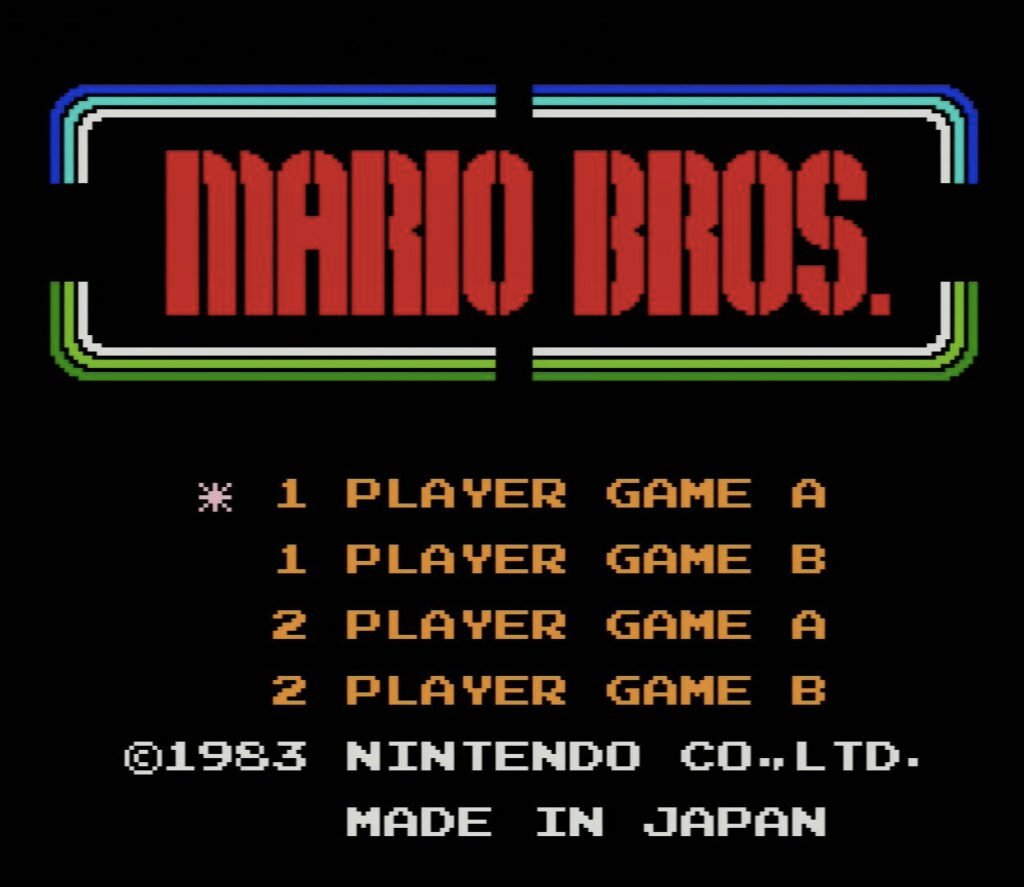
Introduction to Mario Bros.
Released in 1983 by Nintendo, Mario Bros. marked a significant milestone in the evolution of video games. Created by the renowned designer Shigeru Miyamoto, it built upon the foundation laid by previous titles, introducing dynamic multiplayer gameplay that transformed the way players engaged with video games. The game featured two iconic characters, Mario and Luigi, who would go on to become household names, representing not only the game itself but also the broader franchise that would follow.
The gameplay mechanics of Mario Bros. are centered around cooperative play, where two players can team up to navigate various obstacles and confront enemies, primarily in the form of creatures like turtles and snakes. The objective is to eliminate enemies by hitting them from below and then kicking them off the platforms. This innovative approach to multiplayer gaming was unprecedented at the time and set a new standard for future titles—laying the groundwork for cooperative experiences in video gaming.
Additionally, the game features a distinctive level design that encourages strategy, teamwork, and competition between players. Unlike most earlier games that offered a singular experience for players, Mario Bros. allowed players to either cooperate or compete, appealing to a wider audience and fostering a sense of camaraderie among friends and family. This appeal helped ensure the longevity of the franchise, as it not only entertained players in the short term but also created lasting memories and experiences.
The impact of Mario Bros. extends beyond the confines of the game itself. It played a pivotal role in establishing Nintendo’s prominence within the gaming industry and laid the foundation for a franchise that would evolve into a cultural phenomenon. Today, the Legacy of Mario Bros. is celebrated by gamers and historians alike, representing a transformative moment in the history of video games.
Gameplay Mechanics and Features
The gameplay mechanics of Mario Bros. have been fundamental to its enduring popularity since its release in 1983. Central to the experience is the two-player mode, allowing players to take turns controlling Mario and Luigi as they navigate through various levels filled with challenges. This cooperative aspect not only fosters a sense of camaraderie between players but also encourages competition as they strive to achieve higher scores.
Each level features classic platforming elements that require players to jump, run, and dodge obstacles while battling a variety of enemies. Among the numerous adversaries, players encounter Turtles, who can be kicked into other enemies for additional points, and Crabs, which contribute to the dynamic attack strategy required for success. Mastery of timing and positioning is essential in overcoming these foes, creating an engaging experience that showcases the intricacies of arcade-style gameplay.
Scoring in Mario Bros. is enhanced by the collection of coins and the defeat of enemies. Players score points by collecting 100 coins, resulting in an extra life, and by successfully defeating enemies, which adds to the overall competitive spirit. The game encourages exploration and skillful play, rewarding those who become proficient with the mechanics.
The inclusion of power-ups, such as the Super Mushroom and Starman, further enriches the gameplay. These items provide players with unique abilities that change the flow of play, encouraging strategic decisions regarding when and how to utilize them. The controls, characterized by simple commands for jumping and moving, are intuitive yet allow for complex maneuvers, ensuring that players of all skill levels can enjoy the game.
Overall, the gameplay mechanics and features of Mario Bros. establish a framework that not only defines this iconic title but also set the stage for future platforming games in the genre. The combination of two-player dynamics, diverse enemy interactions, and engaging scoring systems contribute to a legacy that continues to influence gaming today.
Cultural Impact and Reception
Upon its release in 1983, Mario Bros. swiftly captured the attention of critics and gamers alike, marking a pivotal moment in the evolution of video game design. The game showcased groundbreaking elements that propelled it into the spotlight of mainstream entertainment. Its innovative two-player cooperative gameplay, where players could take turns controlling Mario and Luigi, was particularly well-received, emphasizing teamwork and competition in a unique manner. This format resonated with players, setting the stage for future multiplayer experiences in video gaming.
The game’s reception was overwhelmingly positive, with many praising its engaging mechanics and vibrant graphics. Critics highlighted the responsive controls and the intricate level design, which contributed to the game’s addictive nature. Such elements not only entertained players but also created a sense of accomplishment upon overcoming challenges. Over the years, Mario Bros. has influenced various genres, establishing benchmarks for platformers and encouraging the development of innovative gaming narratives.
A plethora of accolades have been bestowed upon Mario Bros., recognizing its contribution to the gaming landscape. It was listed as one of the greatest video games of all time by multiple gaming publications, further solidifying its stature within the medium. Awards and recognitions reflected its cultural significance, illustrating how Mario Bros. served as a cornerstone for future titles and franchises. Ultimately, this classic not only fulfilled the entertainment needs of its contemporaries but also laid the groundwork for the flourishing video game industry, which continues to thrive today.
The Evolution of Mario: From Bros. to Franchise
The Nintendo franchise, Mario Bros., debuted in 1983 and set the stage for what would become one of the most iconic video game series in history. The original game introduced players to Mario and his brother Luigi, who navigated through the Mushroom Kingdom to rescue Princess Toadstool from the villainous Bowser. This initial concept of platforming gameplay, featuring jumping obstacles and uncovering power-ups, quickly became foundational in video game design, influencing countless subsequent titles in the genre.
As the years passed and gaming technology advanced, Mario evolved significantly as a character, embodying a versatile, family-friendly hero. The introduction of power-ups, such as the Super Mushroom and Fire Flower, enhanced gameplay complexity and added layers of strategy. Subsequent releases like “Super Mario 64” revolutionized 3D platforming and further established Mario as a cultural icon. This pivotal shift enabled new gameplay styles, allowing players to explore vast 3D environments and engage with the world in immersive ways.
Not only did Mario gain prowess in traditional platforming, but he also branched out into various spin-offs that expanded this beloved franchise. Games such as “Mario Kart” and “Mario Party” catered to different gaming preferences, introducing thrilling vehicle racing and interactive party games. The introduction of characters such as Yoshi, Toad, and Wario enhanced the narrative richness of the universe, solidifying the franchise’s impact on players of all ages.
Ultimately, the evolution of Mario from a mere arcade character to a symbol of gaming culture highlights the franchise’s adaptability and appeal. The enduring legacy of Mario Bros. continues to influence game design and the platforming genre, realizing a trajectory that few other franchises have achieved in the gaming landscape.
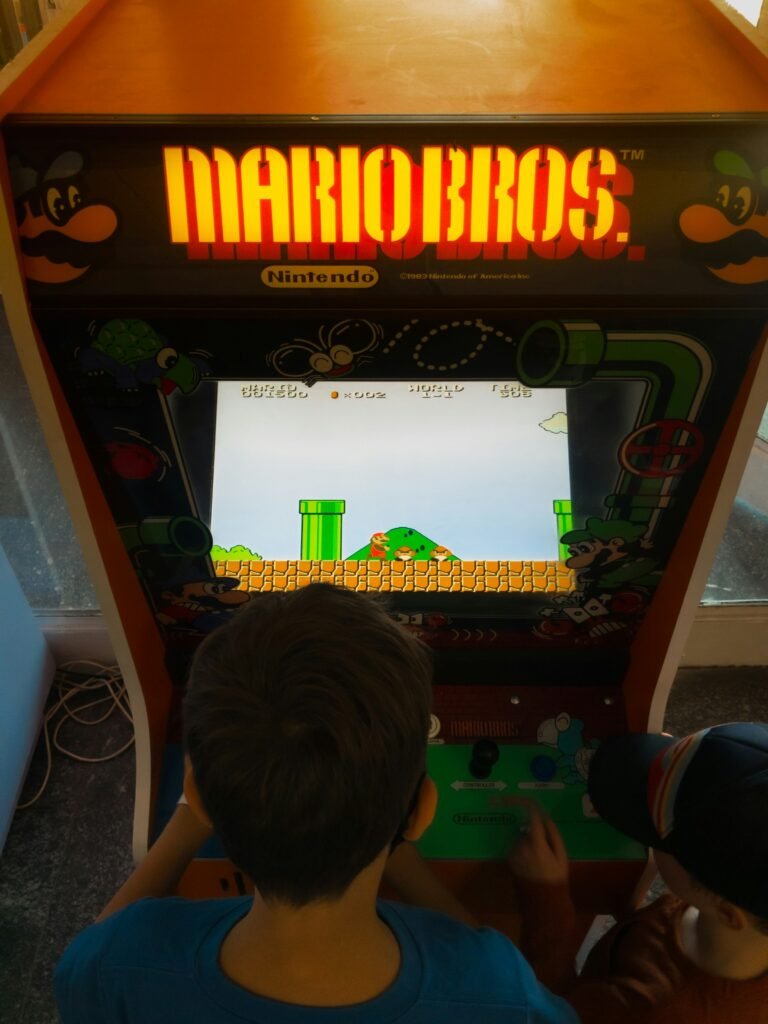
Behind the Scenes: Development and Design
The creation of Mario Bros. in 1983 is a fascinating tale of innovation and creativity at Nintendo, driven by the vision of key developers, most notably Shigeru Miyamoto. During this time, the gaming landscape was still nascent, with limited technology shaping the design processes. Miyamoto, who had already gained recognition for his work on Donkey Kong, sought to create a game that would captivate players while pushing the boundaries of what could be achieved on arcade hardware.
At the heart of the development was the concept of cooperative gameplay. Miyamoto and his team envisioned a game where two players could collaborate, embodying characters that would evolve into household names: Mario and Luigi. This fundamental idea paved the way for the cooperative multiplayer experience that is a hallmark of the franchise today.
One of the significant challenges faced by the developers was the limitations of the technology available at the time. The hardware constraints required inventive solutions to portray the game’s mechanics effectively. The development team utilized a limited color palette and simple pixel graphics, which influenced the design of the characters and environments. The iconic jumping mechanic and the design of pipes and bricks were not only central to gameplay but also thoughtfully integrated into the aesthetic, which would later become synonymous with the Mario brand.
The iterative nature of the design process witnessed several concept adjustments. For instance, early ideas for power-ups evolved from simple gainers to include mushrooms and fire flowers, transforming gameplay dynamics. These elements laid the foundation for rich gameplay experiences, enhancing the engagement factor that has contributed to the enduring appeal of Mario Bros.
Through the combination of visionary guidance, technological ingenuity, and the courage to innovate within constraints, the development of Mario Bros. not only established a new paradigm in gaming but also crafted a legacy that continues to resonate in the industry.
Iconic Characters and Storyline
The legacy of Mario Bros. is rooted not only in its gameplay mechanics but also in its memorable characters and engaging storyline. At the heart of this iconic franchise are two main protagonists, Mario and Luigi, who are depicted as plumbers from Brooklyn, New York. Their charming designs, consisting of red and green outfits, have become instantly recognizable symbols in the gaming industry. The initial game introduces Mario on a quest to rescue Princess Peach from the clutches of the primary antagonist, Bowser, who has captured her and taken her to his castle within the enchanting Mushroom Kingdom.
The simplistic narrative structure of the original game effectively sets the stage for future installments in the series. Each level is infused with a straightforward premise: defeat Bowser’s minions and save the princess. This uncomplicated plot allows players to focus on the engaging gameplay while providing a framework that encourages exploration, skill development, and progression through increasingly challenging levels.
The relationships between the characters add depth to the narrative. Mario is portrayed as the heroic plumber, driven by love and determination to rescue Princess Peach, while Luigi, often seen as the supportive brother, adds a layer of camaraderie and friendship. Additionally, Bowser, the villain of the story, is not merely an obstacle but also a recurring character with his unique personality traits, which contribute significantly to the story’s dynamic. The creatures within the Mushroom Kingdom, ranging from Goombas to Koopa Troopas, serve both as adversaries and elements of the world-building that enrich the overall gaming experience.
Ultimately, the characters in Mario Bros. have set precedence for storytelling in video games, demonstrating that even a simple narrative can create deep emotional engagement and a lasting legacy that has endured for decades.
Mario Bros.’ Influence on Game Design and Industry
The release of Mario Bros. in 1983 marked a pivotal moment in the evolution of video games, not only shaping player experiences but also setting a precedent for game design that continues to influence developers today. This iconic title introduced gameplay mechanics that have become foundational elements in the industry, such as the concept of cooperative gameplay and the design of levels that encourage exploration and skill progression. The structured layout of levels, coupled with cleverly placed power-ups and obstacles, paved the way for future platformers by demonstrating the importance of player feedback and engagement.
Moreover, Mario Bros.‘s innovative use of character abilities and diverse enemy types fundamentally changed the approach to level design. Game developers learned to incorporate a variety of challenges that require different strategies, fostering a robust gaming environment that promotes replayability. The game’s influence is evident in countless titles across genres, where the balance between challenge and skill remains a core focus. This enduring legacy illustrates how Mario Bros. did not just create an engaging play experience but also established design philosophies that would guide future innovations.
Furthermore, the success of Mario Bros. encouraged aspiring game developers to experiment with their own ideas. It inspired a generation of creators to explore imaginative narratives, character development, and innovative gameplay concepts. The game’s combination of accessible mechanics and entertaining visuals has led to its enduring presence within game development courses and discussions around design. The principles established by Mario Bros. continue to resonate within the gaming industry, serving as a benchmark for quality and creativity that future titles strive to achieve. As the gaming industry evolves, the influence of this classic remains undeniably significant.
Legacy and Modern Reboots
The influence of Mario Bros. extends beyond its initial release in 1983, solidifying its place as a cornerstone of video game history. The original game’s simple yet engaging gameplay set a template for platformers that has endured for decades. As gaming technology evolved, so too did Mario. The franchise has seen numerous re-releases across various platforms, ensuring its accessibility to both nostalgic players and new generations. From the Nintendo Entertainment System to modern consoles, Mario has transformed while retaining the core elements that fans adore.
Remastered editions of Mario Bros. have been pivotal in reviving interest in this classic title. High-definition graphics and improved sound design have introduced the iconic game to a contemporary audience while preserving the essence of what made it a classic. Special editions have emerged, featuring enhanced gameplay mechanics and additional content, keeping the interest fresh. This is evident in titles like Super Mario 3D All-Stars, which bring classic adventures back to life, showcasing how the legacy of Mario can thrive in today’s gaming environment.
In addition to direct re-releases, newer games have paid homage to Mario Bros. by incorporating elements of its gameplay and design. Titles such as Super Mario Maker allow players to create and share their own levels, fostering a collective appreciation of the original’s level design. This creative interaction has made the Mario franchise even more immersive, ensuring its relevance amidst ever-changing gaming trends. Mario Bros. serves not just as a nostalgic relic but as a living franchise that continuously attracts new fans through innovative gameplay, captivating narratives, and community-driven experiences.
Conclusion: The Enduring Appeal of Mario Bros.
Since its initial release in 1983, Mario Bros. has significantly shaped the landscape of video gaming. This iconic title not only introduced players to the adventures of Mario and Luigi but also set a new standard for platforming games. The game’s inventive level design, engaging mechanics, and charming graphics created a foundation upon which future titles would build. From its modest beginnings, Mario Bros. has evolved into a cultural phenomenon, representing not just a game, but an entire franchise spanning decades.
The enduring appeal of Mario Bros. lies in its masterful combination of nostalgia and innovation. Players who first experienced the game in the 1980s continue to find joy in revisiting its simple yet captivating gameplay. New generations of gamers, enthralled by the colorful worlds and memorable characters, embrace the franchise’s rich history while enjoying contemporary releases. This ability to appeal to a broad audience, both young and old, speaks volumes about the game’s timeless design.
Moreover, Mario Bros. has played a pivotal role in shaping gaming culture. Its characters and music are instantly recognizable, transcending the realm of video games and cementing their place in popular culture. The impact of this classic extends beyond the confines of the gaming industry; it has inspired cartoons, merchandise, and even theme parks, showcasing the far-reaching influence of the franchise.
In conclusion, the legacy of Mario Bros. is a testament to its quality and creativity. The game’s ability to adapt and remain relevant over the years is a reflection of its significance in the world of video games. As we look to the future, the spirit of Mario Bros. will undoubtedly continue to captivate and inspire, further solidifying its status as a timeless classic that transcends generations.